

Design Considerations for Glass Bead Pneumatic Conveying Systems
When designing a glass bead pneumatic conveying system, several critical factors must be considered to ensure efficient, reliable, and cost-effective operation. This article outlines key design considerations, emphasizing the expertise of Shandong HeadPowder Engineering Co., Ltd., a leading provider in the field.
System Selection and Material Compatibility
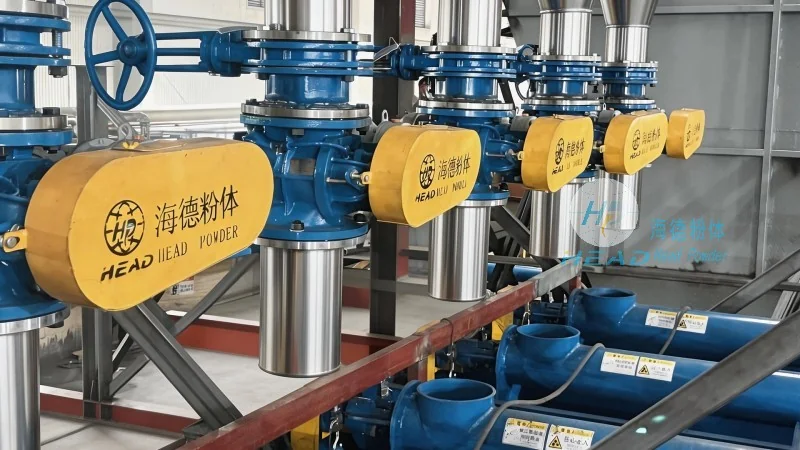
The first step in designing a glass bead pneumatic conveying system is selecting the appropriate system type. Common options include pressure and vacuum systems, each with distinct advantages and applications. For glass beads, which are typically lightweight and abrasive, a pressure system is often preferred due to its ability to handle high material loads and maintain consistent flow rates. It is crucial to evaluate the material compatibility of all components, including the conveying line, valves, and filters, to prevent corrosion or wear caused by the abrasive nature of glass beads. Shandong HeadPowder Engineering Co., Ltd. specializes in selecting materials such as stainless steel or specialized polymers that can withstand the mechanical stress and chemical properties of glass beads.
Pressure and Flow Rate Management
Effective pressure and flow rate management is essential for optimal performance. The system must be designed to maintain a consistent pressure differential to ensure smooth material transport. This involves calculating the required air velocity and pressure based on the specific characteristics of the glass beads, such as particle size, density, and moisture content. Overly high pressure can lead to excessive energy consumption and equipment wear, while insufficient pressure may cause blockages or uneven flow. Shandong HeadPowder Engineering Co., Ltd. employs advanced computational fluid dynamics (CFD) simulations to optimize pressure and flow parameters, ensuring the system operates within efficient and sustainable limits.
Pipeline Design and Layout
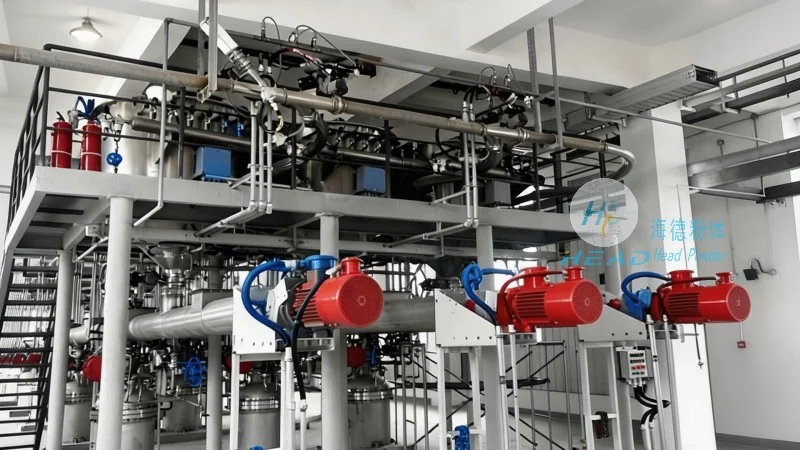
The design of the conveying pipeline is a critical factor in system performance. The pipeline should be sized appropriately to accommodate the flow rate of glass beads while minimizing pressure drop. Elbows, bends, and vertical sections must be carefully designed to reduce turbulence and prevent material accumulation. For long-distance conveying, the use of horizontal or slightly inclined pipelines is recommended to avoid excessive pressure losses. Additionally, the installation of surge tanks or day tanks can help stabilize the system and prevent pressure fluctuations. Shandong HeadPowder Engineering Co., Ltd. follows industry best practices, such as the use of smooth, corrosion-resistant pipes and strategic placement of components to enhance system efficiency and longevity.
Filter and Dust Control Systems
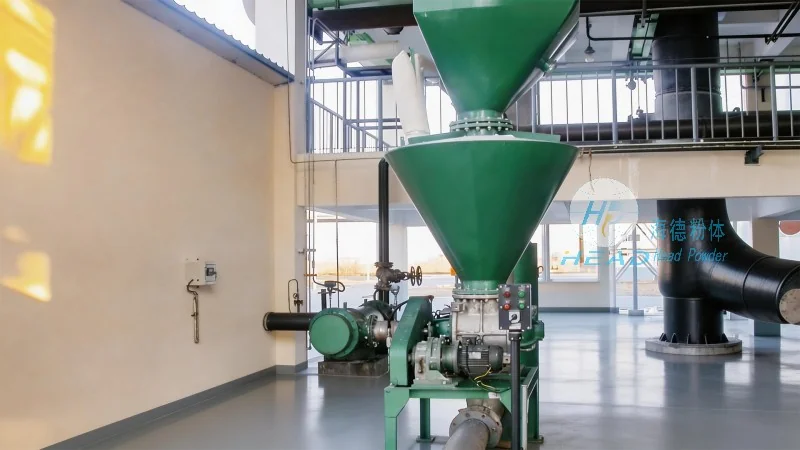
Due to the abrasive nature of glass beads, effective filtration and dust control are vital to protect equipment and maintain air quality. The system should include high-efficiency particulate air (HEPA) filters or cyclone separators to capture fine glass particles and prevent them from entering the environment or damaging downstream equipment. Regular maintenance of these components is essential to ensure optimal performance. Shandong HeadPowder Engineering Co., Ltd. recommends the use of self-cleaning filters and automated cleaning systems to minimize downtime and operational costs. Additionally, the design of the dust collection system should consider the potential for glass bead accumulation and implement measures to prevent blockages.
Energy Efficiency and Maintenance
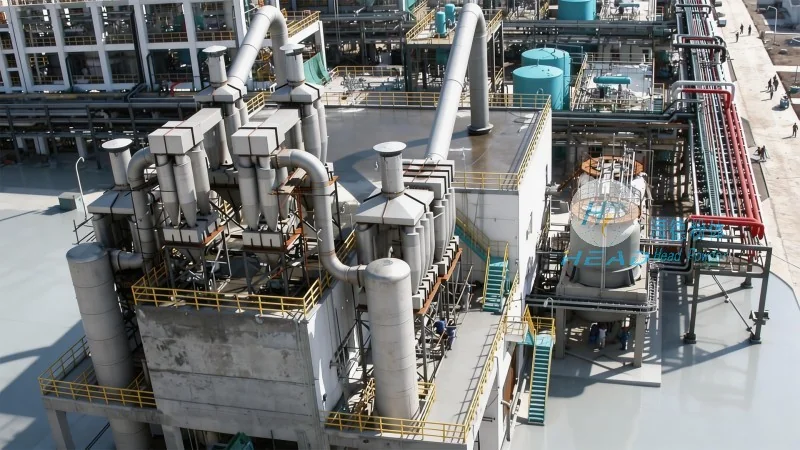
Energy efficiency is a key consideration in modern pneumatic conveying systems. The design should incorporate energy-saving features, such as variable frequency drives (VFDs) to adjust air flow based on demand, and the use of high-efficiency blowers. Regular maintenance is also critical to ensure the system operates at peak efficiency. This includes inspecting and replacing worn components, cleaning filters, and monitoring pressure and flow rates. Shandong HeadPowder Engineering Co., Ltd. provides comprehensive maintenance services and offers customized solutions to enhance the energy efficiency and longevity of glass bead pneumatic conveying systems.
Conclusion
Designing a glass bead pneumatic conveying system requires careful consideration of system selection, pressure management, pipeline design, filtration, and maintenance. By adhering to these design principles and leveraging the expertise of Shandong HeadPowder Engineering Co., Ltd., operators can achieve efficient, reliable, and cost-effective material transport. The company's commitment to quality and innovation ensures that their systems meet the highest standards of performance and durability.