

Design Considerations for Pneumatic Conveying Systems in Soybean Grain Handling
Shandong HeadPowder Engineering Co., Ltd., a leading manufacturer in the field of grain handling equipment, specializes in the design and implementation of efficient pneumatic conveying systems tailored for soybean grain processing. With a focus on optimizing material flow and ensuring operational reliability, our systems are engineered to meet the unique demands of soybean handling, from storage to processing stages. This article outlines key design considerations that are crucial for the successful implementation of such systems, ensuring optimal performance and longevity.
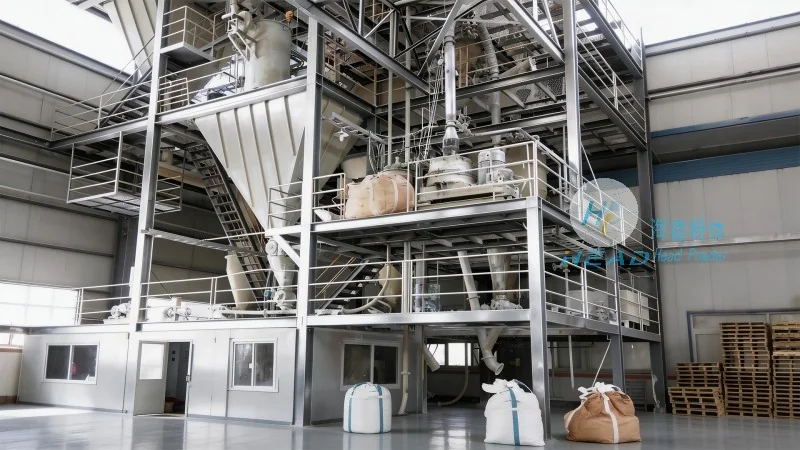
Key Design Considerations for Soybean Grain Pneumatic Conveying Systems
When designing a pneumatic conveying system for soybean grain, several critical factors must be addressed to ensure efficiency, safety, and durability. The first consideration is the material characteristics of soybean grain itself. Soybeans have a relatively high moisture content and can be prone to clumping, which affects the flowability and requires specific system configurations. Our engineers at Shandong HeadPowder consider these properties to select appropriate air velocities and pipeline diameters that prevent material blockages and ensure smooth transport.
Another vital aspect is the system's capacity and flow rate requirements. The conveying system must be sized to handle the expected throughput of soybean grain, whether for bulk storage, processing, or transportation. We calculate the necessary air volume and pressure based on the grain's bulk density and the desired conveying distance, ensuring that the system operates within its optimal performance range. This prevents overloading and maintains consistent material flow, which is essential for downstream processing equipment.
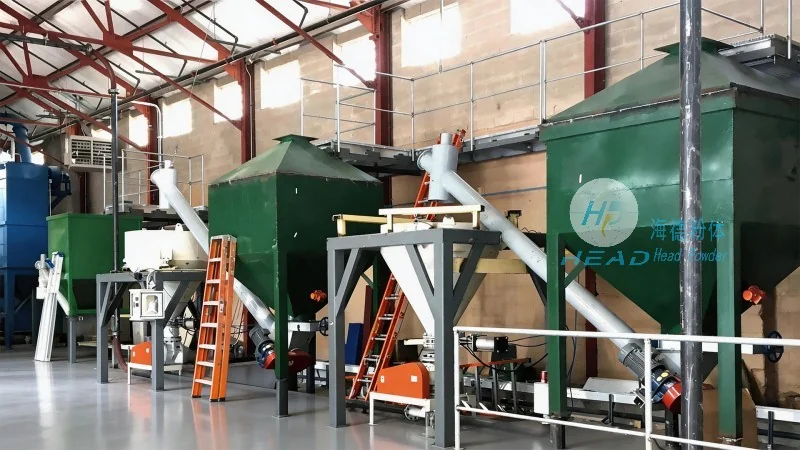
System layout and pipeline design are also critical. The arrangement of horizontal and vertical sections, as well as the placement of components like cyclones, filters, and silos, directly impacts the system's efficiency. Our design approach emphasizes a compact and streamlined layout that minimizes pressure losses and reduces energy consumption. For soybean grain, which can be abrasive, we recommend using high-quality materials for the pipeline and components to withstand wear and tear over time.
Control and automation are integral to modern pneumatic conveying systems. We integrate advanced control systems that monitor pressure, flow, and material levels in real-time, allowing for automated adjustments and preventing system failures. This not only enhances operational efficiency but also ensures safety by detecting and addressing issues promptly. For soybean processing facilities, where consistent material flow is critical for production continuity, such automation is a key differentiator.
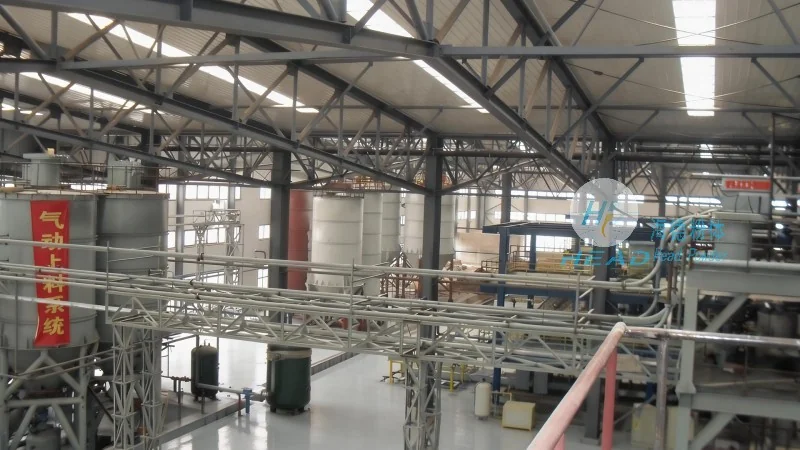
Material Handling and System Integration
Effective pneumatic conveying of soybean grain requires seamless integration with other processing equipment. Our systems are designed to interface with silos, hoppers, and processing machinery, ensuring a smooth transition from storage to processing. The design considers the grain's flow characteristics, such as its angle of repose and cohesion, to prevent arching or ratholing in the hopper, which can disrupt the conveying process. By optimizing the hopper design and incorporating flow aids, we ensure that the soybean grain flows freely into the conveying system.
Additionally, the system's compatibility with downstream equipment, such as crushers or extruders, is crucial. We ensure that the conveying velocity and particle size distribution of the soybean grain meet the requirements of the processing machinery, preventing damage to equipment and maintaining product quality. This integration is achieved through careful selection of components and system sizing, tailored to the specific processing needs of the soybean grain.
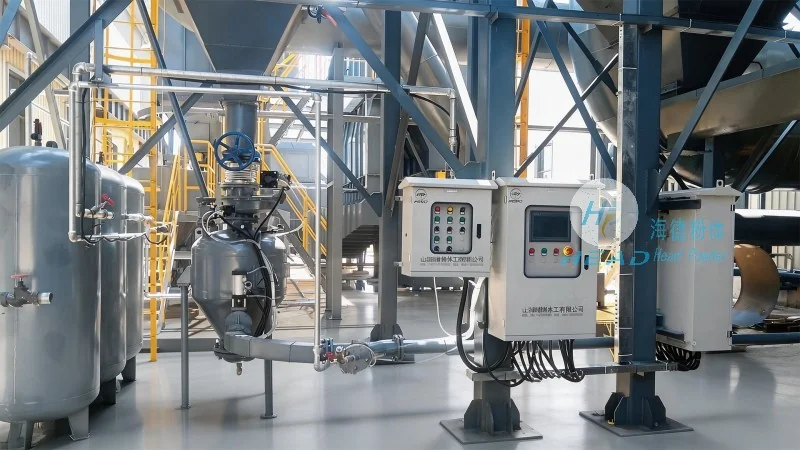
Energy Efficiency and Maintenance Considerations
Energy efficiency is a key consideration in the design of pneumatic conveying systems for soybean grain. By optimizing air pressure and flow rates, we reduce energy consumption while maintaining system performance. Our systems use high-efficiency fans and motors, and the pipeline design minimizes pressure losses, further contributing to energy savings. For long-term operation, regular maintenance is essential. We recommend routine checks of components like filters, cyclones, and seals to prevent clogging and ensure optimal performance. The use of durable materials and robust construction in our systems minimizes the need for frequent repairs, reducing downtime and operational costs.
Conclusion and Company Expertise
Designing an efficient pneumatic conveying system for soybean grain involves a comprehensive approach that addresses material characteristics, system capacity, layout, control, and maintenance. Shandong HeadPowder Engineering Co., Ltd. leverages its expertise in grain handling technology to provide tailored solutions that meet the specific needs of soybean processing facilities. By adhering to these design considerations, our systems ensure reliable, efficient, and cost-effective transport of soybean grain, supporting the operational goals of our clients. With a commitment to quality and innovation, we continue to enhance our pneumatic conveying systems to meet the evolving demands of the grain processing industry.