

[CATEGORY]Classification and Application Analysis of Corn Pneumatic Conveying Systems
HeadPowder, a leading engineering company based in Shandong, China, specializes in the design, manufacturing, and implementation of advanced pneumatic conveying systems tailored for corn processing and handling. This article provides a comprehensive classification and application analysis of corn pneumatic conveying systems, highlighting their technical features, operational advantages, and practical implementations across various agricultural and industrial sectors.
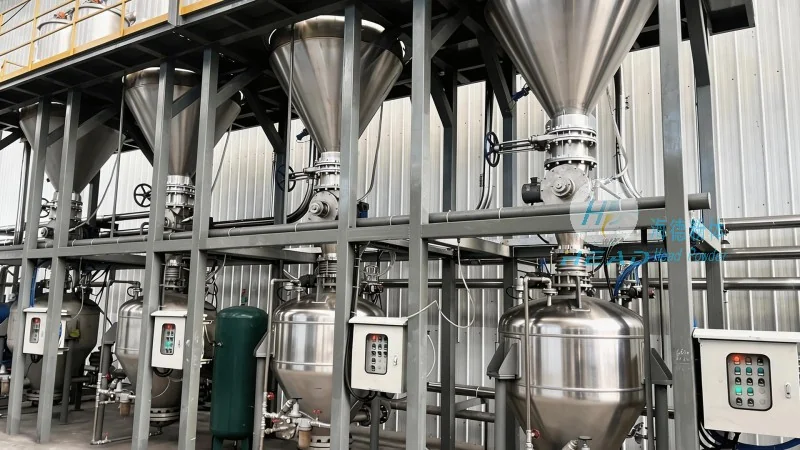
Company Overview and System Introduction
Shandong HeadPowder Engineering Co., Ltd., commonly known as HeadPowder, is a professional enterprise dedicated to providing high-quality pneumatic conveying solutions. With a strong focus on innovation and customer-centric design, the company has established itself as a trusted partner in the agricultural machinery and material handling industry. The corn pneumatic conveying systems developed by HeadPowder are engineered to meet the specific demands of corn processing, from raw material intake to final product distribution, ensuring efficiency, reliability, and minimal material loss.
Classification of Corn Pneumatic Conveying Systems
Based on the principles of air flow and material transport mechanisms, corn pneumatic conveying systems can be classified into several key types. The primary classifications include pressure conveying systems, vacuum conveying systems, and mixed conveying systems. Each type is designed to handle different characteristics of corn, such as moisture content, particle size, and bulk density, ensuring optimal performance under varying operational conditions.
Pressure conveying systems utilize positive pressure to move corn through the pipeline. These systems are typically used for long-distance or high-capacity transport, where the pressure differential drives the material forward. The components of a pressure system include a blower, hopper, and pipeline network, all working in tandem to maintain consistent air pressure and material flow. This method is particularly effective for transporting corn from storage silos to processing facilities, minimizing the need for manual handling and reducing labor costs.
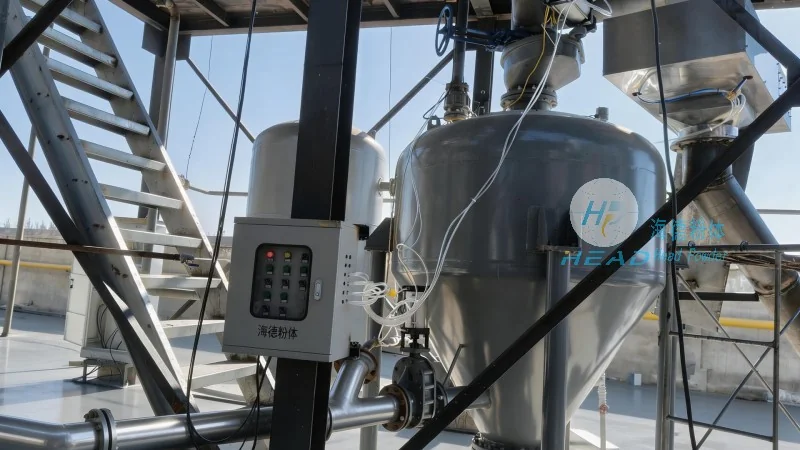
Vacuum conveying systems, on the other hand, operate using negative pressure to draw corn into the system. This approach is ideal for short-distance or low-volume applications, such as transferring corn from a field or a small storage bin to a processing unit. The vacuum system consists of a vacuum pump, collection hopper, and suction pipe, which creates a pressure difference that pulls the material into the pipeline. Unlike pressure systems, vacuum systems are generally more suitable for handling lighter or more delicate materials, making them a popular choice in smaller-scale corn processing operations.
Mixed conveying systems combine elements of both pressure and vacuum technologies to achieve a balanced performance. These systems are designed to handle a wide range of corn characteristics and operational requirements, offering flexibility in material handling. By integrating both positive and negative pressure components, mixed systems can optimize the transport efficiency while maintaining low energy consumption. This classification approach allows HeadPowder to tailor the most appropriate system for each client's specific needs, ensuring maximum operational efficiency and cost-effectiveness.
Application Analysis in Different Industries
The application of corn pneumatic conveying systems spans multiple industries, with the most significant being the corn processing and agricultural sectors. In corn processing plants, these systems are crucial for transporting raw corn from storage to processing units, such as dehullers, dryers, and mills. The ability to handle large volumes of corn efficiently reduces processing time and improves overall production throughput. For example, in a typical corn milling facility, a pressure conveying system can transport up to 100 tons of corn per hour, significantly enhancing the plant's productivity.
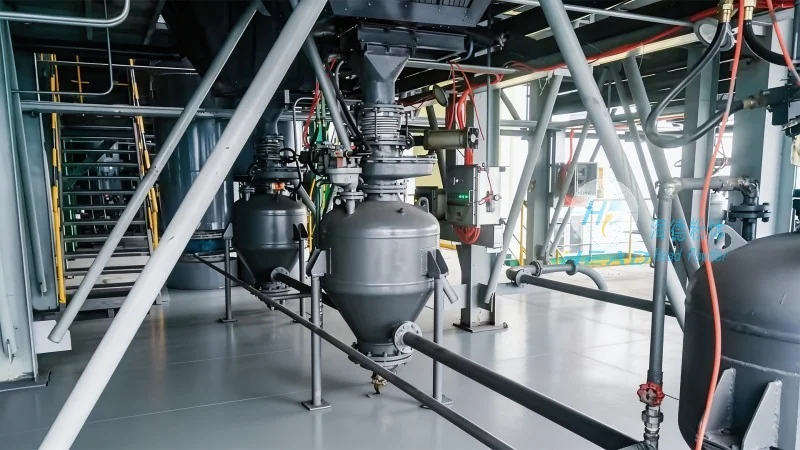
In the agricultural sector, corn pneumatic conveying systems are widely used in on-farm storage and handling operations. Farmers and agricultural cooperatives utilize these systems to move corn from field bins to central storage facilities, ensuring proper inventory management and reducing the risk of spoilage. The vacuum conveying systems are particularly beneficial for transferring corn from smaller, scattered storage containers to larger silos, as they can handle the material with minimal disruption to the farm layout. This application not only improves operational efficiency but also enhances the safety of farm workers by eliminating the need for manual lifting and handling of heavy corn bags.
Additionally, corn pneumatic conveying systems find applications in the food and feed industry. In feed mills, these systems are used to transport corn as a primary ingredient in animal feed formulations. The consistent and hygienic transport of corn ensures that the final feed product meets quality standards and regulatory requirements. The pressure conveying systems are often preferred in this sector due to their ability to maintain a sterile environment and prevent contamination during transport. This is critical for maintaining the nutritional value and safety of the feed, which directly impacts the health and performance of livestock.
Technical Advantages and Practical Benefits
HeadPowder's corn pneumatic conveying systems offer several technical advantages that make them superior to traditional material handling methods. One of the key benefits is the reduction in material loss and degradation. Unlike belt conveyors or bucket elevators, pneumatic systems minimize the risk of breakage or damage to corn kernels, preserving their quality and nutritional value. This is particularly important for corn used in food processing or animal feed, where the integrity of the kernels is essential.
Another significant advantage is the energy efficiency of these systems. By utilizing air pressure and vacuum technology, HeadPowder's systems consume less energy compared to mechanical conveyors, resulting in lower operational costs over time. The advanced blower and pump designs optimize air flow, ensuring that the system operates at peak efficiency while maintaining consistent material transport rates. This energy-saving feature is a major consideration for businesses looking to reduce their carbon footprint and comply with environmental regulations.
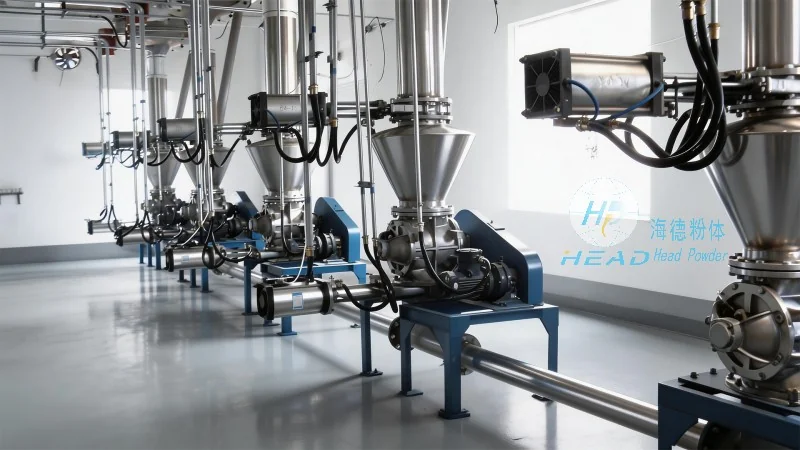
Furthermore, the flexibility and scalability of corn pneumatic conveying systems are notable benefits. HeadPowder designs systems that can be easily customized to accommodate changes in production volume or operational requirements. Whether a client needs to expand their processing capacity or adapt to new corn varieties, the systems can be modified to meet these needs without significant downtime or additional investment. This adaptability makes the systems suitable for both small-scale farms and large industrial facilities, providing a versatile solution for diverse corn handling applications.
The systems also offer enhanced safety features, reducing the risk of accidents and injuries in the workplace. By eliminating the need for manual handling of heavy corn bags or bulk material, pneumatic conveying systems minimize the risk of musculoskeletal injuries and other workplace hazards. The enclosed pipeline design prevents dust and debris from entering the workspace, improving air quality and reducing the risk of respiratory issues for workers. These safety benefits contribute to a healthier and more productive work environment, which is a priority for both employers and employees in the agricultural and industrial sectors.
Conclusion
In conclusion, corn pneumatic conveying systems, as developed and implemented by Shandong HeadPowder Engineering Co., Ltd., represent a sophisticated and efficient solution for the transportation and handling of corn. Through careful classification and application analysis, these systems are tailored to meet the specific needs of various industries, offering technical advantages such as reduced material loss, energy efficiency, and enhanced safety. The company's commitment to innovation and customer service ensures that clients receive high-quality systems that are both reliable and cost-effective. As the demand for efficient corn processing and handling continues to grow, HeadPowder's pneumatic conveying systems remain a leading choice for businesses seeking to optimize their operations and improve overall productivity.