

Design of a Copper Sulfate Pneumatic Conveying System
Efficient and reliable material handling is a critical factor in industrial operations, especially when dealing with bulk materials like copper sulfate. The design of a pneumatic conveying system for copper sulfate requires careful consideration of various technical and operational aspects to ensure optimal performance, safety, and cost-effectiveness. This article provides an in-depth look at the design principles and key components of a copper sulfate pneumatic conveying system, highlighting the expertise of Shandong HeadPowder Engineering Co., Ltd., a leading provider in the field.
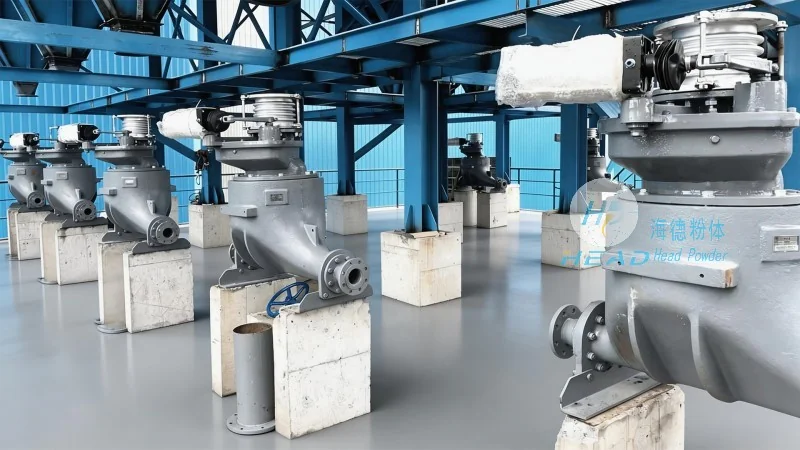
Introduction to Copper Sulfate Pneumatic Conveying Systems
Copper sulfate, commonly used in agriculture, water treatment, and industrial processes, is often handled in bulk quantities. Traditional methods such as belt conveyors or bucket elevators may not be suitable for all applications due to issues like material degradation, dust generation, or high maintenance costs. Pneumatic conveying systems offer a solution by using air pressure to transport the material, providing a dust-free, low-maintenance alternative. The design of such a system involves selecting the appropriate type of conveying (e.g., dilute-phase or dense-phase), determining the system layout, and ensuring compliance with safety and environmental regulations.
Key Design Considerations for Copper Sulfate Pneumatic Conveying
Several critical factors must be considered when designing a copper sulfate pneumatic conveying system. First, the physical properties of copper sulfate, including its particle size, density, and moisture content, influence the selection of the conveying method. For example, fine particles may require a dilute-phase system to prevent blockages, while larger particles might benefit from a dense-phase system for more controlled flow. The system layout, including the number and placement of feeders, cyclones, and receivers, is another key consideration. Proper placement of these components ensures efficient material transport and minimizes pressure losses. Additionally, the choice of materials for system components is crucial, as copper sulfate can be corrosive. Stainless steel or specialized coatings are often used to prevent corrosion and extend the system's lifespan.
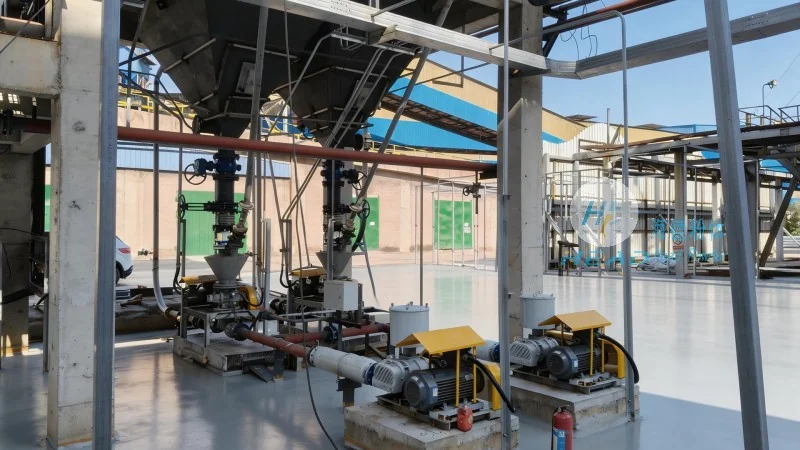
Components of a Copper Sulfate Pneumatic Conveying System
A typical copper sulfate pneumatic conveying system consists of several key components, each playing a vital role in the overall operation. The primary components include the material feeder, which meters the copper sulfate into the system; the air compressor, which provides the necessary pressure to move the material; the conveying line, which transports the material from the feeder to the receiver; and the cyclone separator, which separates the material from the air stream. The material feeder, often a rotary valve or a screw feeder, ensures a consistent flow rate, preventing overloading or underloading of the system. The air compressor, typically a positive displacement or centrifugal type, generates the pressure required for conveying. The conveying line, usually made of stainless steel or PVC, is designed to withstand the pressure and corrosive nature of the copper sulfate. The cyclone separator, with its high-efficiency design, effectively separates the copper sulfate particles from the air, allowing the air to be recirculated or discharged while the material is collected in the receiver.
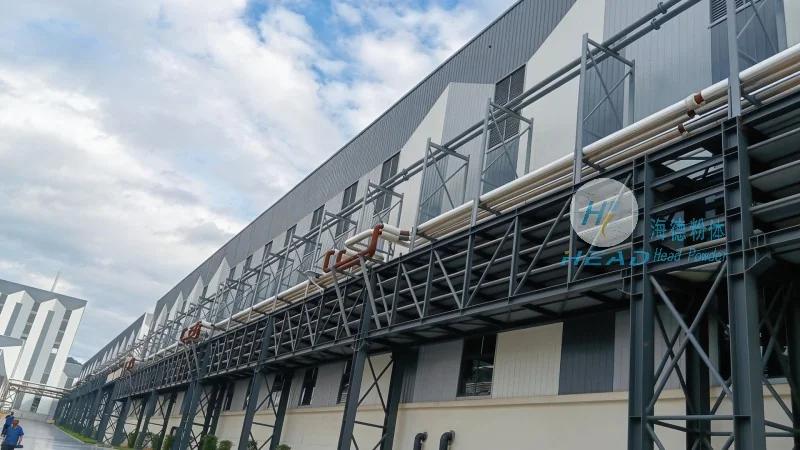
Advantages of Pneumatic Conveying for Copper Sulfate
Implementing a pneumatic conveying system for copper sulfate offers numerous advantages over traditional handling methods. One of the most significant benefits is the reduction in dust generation, which improves workplace safety and environmental compliance. Unlike belt conveyors, which can produce significant dust, pneumatic systems keep the material contained within the system, minimizing exposure to workers and the environment. Additionally, pneumatic conveying systems are more flexible in terms of layout, allowing for vertical and horizontal transport without the need for complex infrastructure. This flexibility reduces installation costs and enables easier integration into existing facilities. Another advantage is the lower maintenance requirements compared to mechanical systems. With fewer moving parts and less wear and tear, pneumatic systems require less frequent maintenance, resulting in lower operational costs over the system's lifespan.
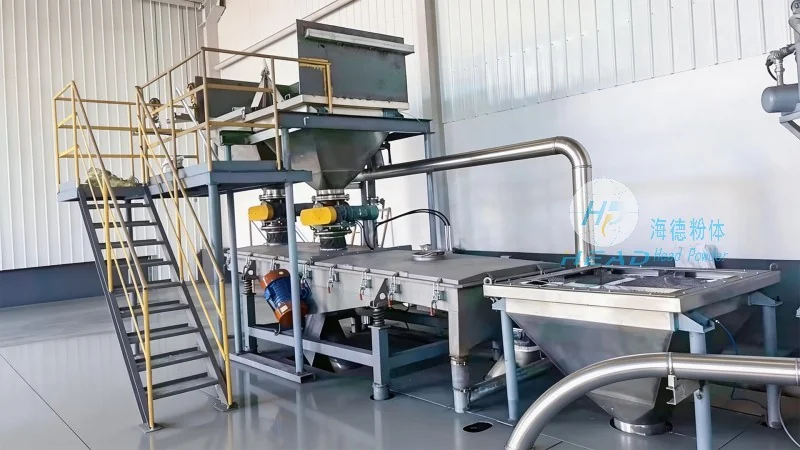
Customization and Scalability
Shandong HeadPowder Engineering Co., Ltd. specializes in designing customized copper sulfate pneumatic conveying systems tailored to the specific needs of each client. The company's team of engineers works closely with clients to understand their operational requirements, including material flow rates, system layout constraints, and budget considerations. This collaborative approach ensures that the final system is optimized for performance and efficiency. The systems can be scaled to accommodate varying production volumes, from small-scale applications to large industrial operations. Whether a client needs a system for a small agricultural facility or a large industrial plant, HeadPowder provides solutions that meet their unique needs. The company's expertise in material handling and pneumatic systems allows them to design systems that are not only efficient but also reliable and durable, ensuring long-term operation with minimal downtime.
Conclusion and Contact Information
Designing an effective copper sulfate pneumatic conveying system requires a combination of technical expertise, careful planning, and attention to detail. Shandong HeadPowder Engineering Co., Ltd. has established itself as a leader in the industry, providing high-quality, customized solutions that meet the diverse needs of its clients. By leveraging their experience and advanced design capabilities, HeadPowder helps businesses improve their material handling processes, reduce costs, and enhance operational efficiency. For more information about copper sulfate pneumatic conveying systems or to discuss a specific project, please contact Shandong HeadPowder Engineering Co., Ltd. at their address in Shandong, China.