

What is the Pneumatic Conveying of Negative Electrode Material Particles, Classification and Applica
Understanding the Pneumatic Conveying of Negative Electrode Material Particles: Classification and Applications
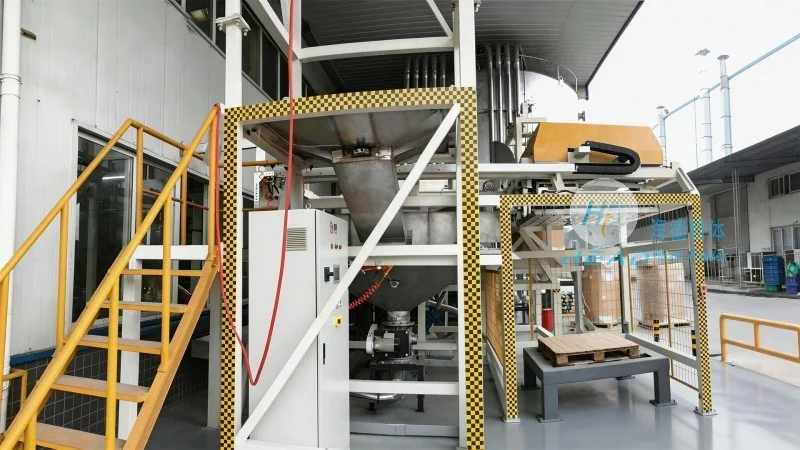
Introduction to Pneumatic Conveying for Negative Electrode Materials
HeadPowder, a leading company in the field, specializes in advanced material handling solutions. This article explores the concept of pneumatic conveying for negative electrode material particles, detailing its classification and practical applications. The focus is on the technical aspects and operational benefits of this method, ensuring a comprehensive understanding for industry professionals.
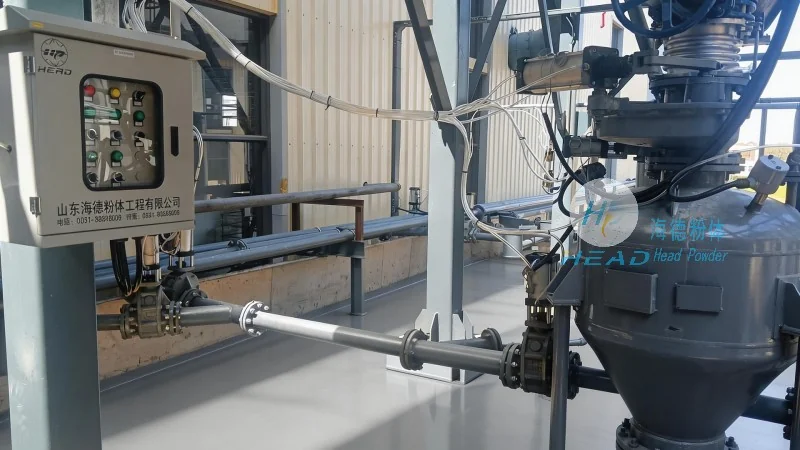
What is Pneumatic Conveying of Negative Electrode Material Particles?
Pneumatic conveying involves the transport of solid particles, such as those used in lithium-ion battery negative electrode production, through a pipeline using air or other gases. For negative electrode materials, which are typically fine powders or granules, this method offers efficient and dust-free transfer. The process relies on creating a pressure differential or using vacuum to move the material from the source to the destination. HeadPowder's expertise in this area ensures optimal performance, minimizing material loss and maintaining product integrity.
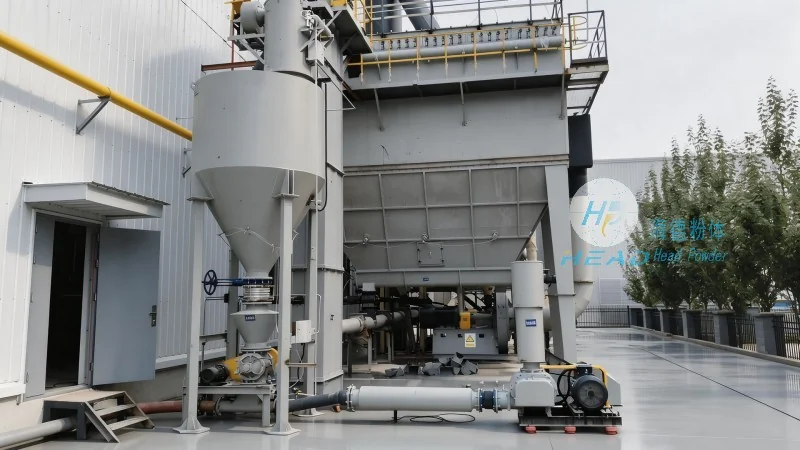
Classification of Pneumatic Conveying Systems
Pneumatic conveying systems for negative electrode materials are categorized based on several key factors, including the pressure used and the method of material transport. The primary classifications are:
- Positive Pressure Systems: These systems use compressed air to push the material through the pipeline. They are suitable for short to medium distances and can handle a wide range of particle sizes. HeadPowder designs positive pressure systems that are efficient for handling fine powders, ensuring consistent flow rates and minimal clogging.
- Negative Pressure (Vacuum) Systems: These systems create a vacuum to draw material into the pipeline. They are ideal for applications requiring material to be transported from multiple sources or over longer distances. HeadPowder's vacuum systems are designed to maintain low pressure differentials, reducing energy consumption while ensuring reliable material transfer.
- Combined Systems: A hybrid approach that uses both positive and negative pressure to optimize material handling. This method is particularly useful for complex processes involving multiple transfer points. HeadPowder's combined systems offer flexibility and adaptability, catering to diverse production requirements.
Key Applications of Pneumatic Conveying in Negative Electrode Production
The application of pneumatic conveying in the production of negative electrode materials is critical for maintaining high-quality standards and operational efficiency. Some key applications include:
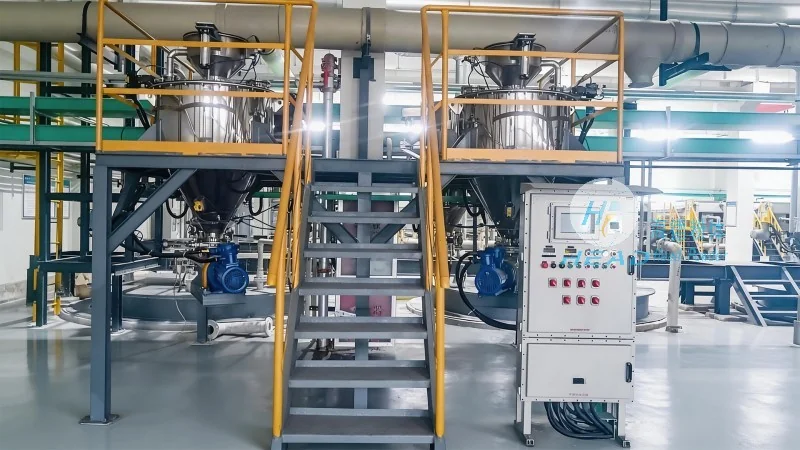
- Raw Material Transfer: Transporting raw materials like graphite, silicon, or other precursors from storage to processing equipment. HeadPowder's systems ensure that these materials are handled without contamination, preserving their purity for subsequent processing steps.
- Intermediate Product Handling: Moving partially processed materials, such as mixed powders or coated particles, between production stages. The efficiency of pneumatic conveying minimizes downtime and ensures a smooth workflow in battery manufacturing plants.
- Final Product Transfer: Conveying finished negative electrode materials to packaging or storage areas. This step is crucial for maintaining product quality and preventing damage during transport.
Benefits of Using Pneumatic Conveying for Negative Electrode Materials
Implementing pneumatic conveying for negative electrode material handling offers several advantages, including: