

Pneumatic Conveying of Glass Raw Materials: How to Efficiently Transport Powders and Granules with A
For manufacturers in the glass industry, the efficient and reliable transport of raw materials is a critical factor in maintaining production quality and operational efficiency. Pneumatic conveying systems offer a sophisticated solution to move powders and granules, such as silica sand, soda ash, and limestone, which are essential components in glass production. This article explores the principles, benefits, and practical applications of air flow transport for glass raw materials, highlighting how companies like Shandong HeadPowder Engineering Co., Ltd. (headpowder) have become leaders in providing tailored pneumatic conveying solutions.
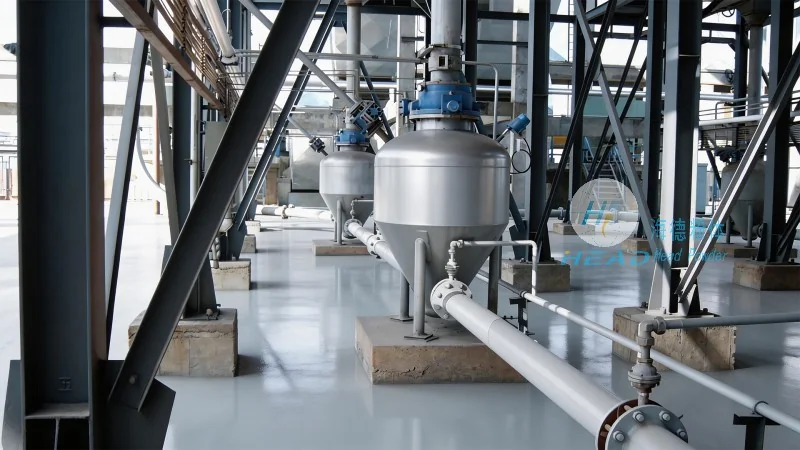
About HeadPowder: Leading Experts in Pneumatic Conveying Solutions
HeadPowder, or Shandong HeadPowder Engineering Co., Ltd., is a prominent company based in Shandong, China. Specializing in the design, manufacturing, and installation of pneumatic conveying systems, HeadPowder has established itself as a trusted partner for glass manufacturers seeking to optimize their material handling processes. With a deep understanding of the unique challenges faced in the glass industry, the company develops customized solutions that enhance productivity, reduce downtime, and ensure the consistent quality of raw materials throughout the production cycle.
Understanding Pneumatic Conveying for Glass Raw Materials
Pneumatic conveying, also known as air flow transport, involves using pressurized or vacuum air to move bulk materials like powders and granules through a pipeline system. In the context of glass manufacturing, this technology is particularly valuable for transporting raw materials from storage silos to processing equipment, such as mixers and furnaces. The process typically works by creating a flow of air that carries the material particles through the pipeline, either by increasing air pressure (positive pressure or pressure conveying) or by creating a vacuum (negative pressure or vacuum conveying). This method eliminates the need for mechanical components like conveyors or elevators, reducing maintenance and improving hygiene in the production environment.
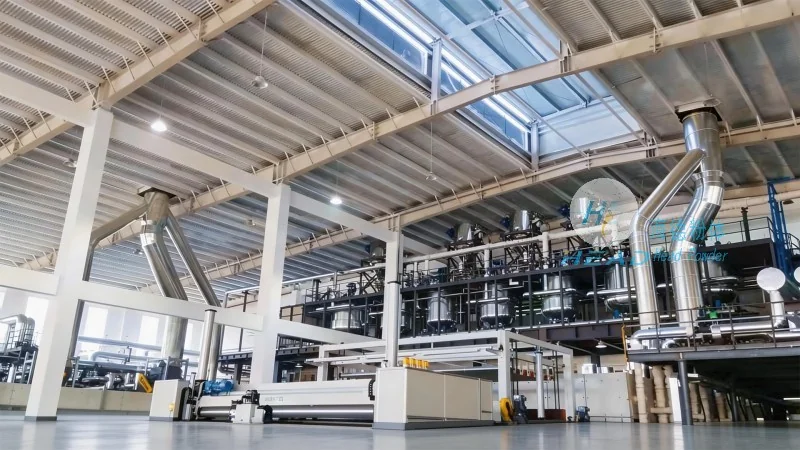
Key Benefits of Air Flow Transport for Glass Ingredients
Implementing pneumatic conveying for glass raw materials offers several advantages that directly impact operational performance. First, it enhances efficiency by allowing for continuous, automated material transport, which minimizes manual handling and reduces the risk of material contamination. Second, the system provides excellent control over the flow rate and pressure, ensuring that the correct amount of material is delivered to the processing equipment at the right time. Third, pneumatic conveying is highly flexible, as it can be easily integrated with existing production lines and adapted to accommodate changes in production volume or material types. Additionally, the enclosed pipeline system prevents dust emissions and protects the material from moisture and other environmental factors, which is crucial for maintaining the purity of glass ingredients.
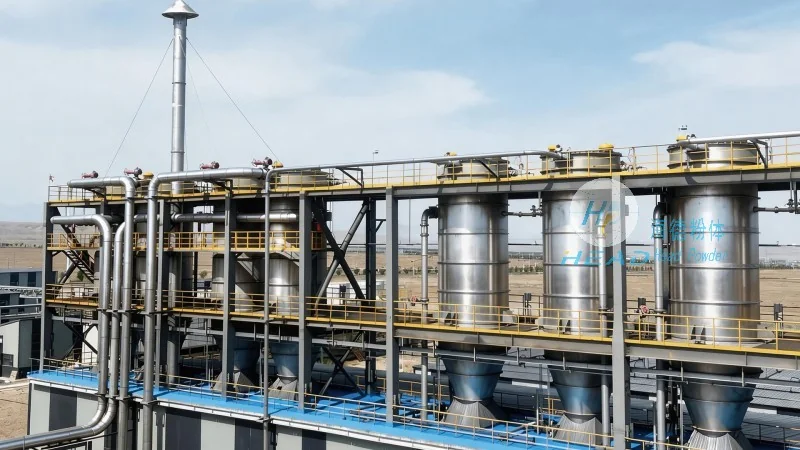
How Air Flow Efficiently Moves Powder and Granular Materials
The efficiency of air flow transport in moving glass raw materials depends on several factors, including the type of conveying system, the properties of the material (such as particle size, density, and moisture content), and the system design. Positive pressure conveying systems use a blower to force air and material through the pipeline, making them suitable for long-distance transport and multiple delivery points. Negative pressure systems, on the other hand, use a vacuum to draw material into the pipeline, which is ideal for short-distance transport and when the material is to be delivered to a single point. The choice between these systems depends on the specific requirements of the glass manufacturing process, including the layout of the production facility and the desired level of control over material flow.
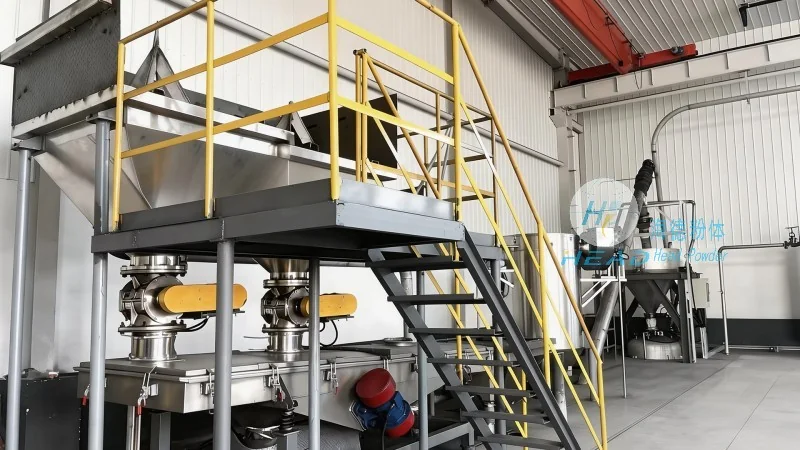
Applications in Glass Manufacturing: Ensuring Consistent Material Handling
In glass manufacturing, pneumatic conveying is used in various stages of the production process. For example, raw materials like silica sand and limestone are often stored in silos and then conveyed to the mixing area using air flow systems. The material is then blended with other ingredients, such as soda ash and limestone, to form the glass batch. The conveying system ensures that the ingredients are mixed uniformly, which is essential for achieving the desired glass composition and properties. Additionally, pneumatic conveying can be used to transport finished glass products or waste materials, further streamlining the overall production process. By leveraging air flow transport, glass manufacturers can maintain consistent material handling, reduce waste, and improve the overall quality of their products.
Conclusion: Optimizing Glass Production with Pneumatic Conveying
As the glass industry continues to evolve, the demand for efficient and reliable material handling solutions remains high. Pneumatic conveying, with its ability to move powders and granules using air flow, offers a compelling solution for manufacturers seeking to enhance their operational performance. Companies like Shandong HeadPowder Engineering Co., Ltd. play a vital role in providing these solutions, helping glass manufacturers to optimize their processes, reduce costs, and maintain the highest standards of quality. By understanding the principles and benefits of air flow transport, glass manufacturers can make informed decisions about implementing pneumatic conveying systems, ultimately leading to improved productivity and competitiveness in the market.