

[Corn Stalks Pneumatic Conveying: How to Efficiently Transport Bulk Powders with Air Flow]
When it comes to transporting corn stalks and other bulk powders, traditional methods often fall short in terms of efficiency, cost-effectiveness, and environmental impact. Pneumatic conveying, particularly air-based systems, offers a superior alternative that leverages the power of air to move materials with precision and speed. This article explores the principles and applications of corn stalks pneumatic conveying, highlighting how it revolutionizes the handling of agricultural residues and similar bulk materials.
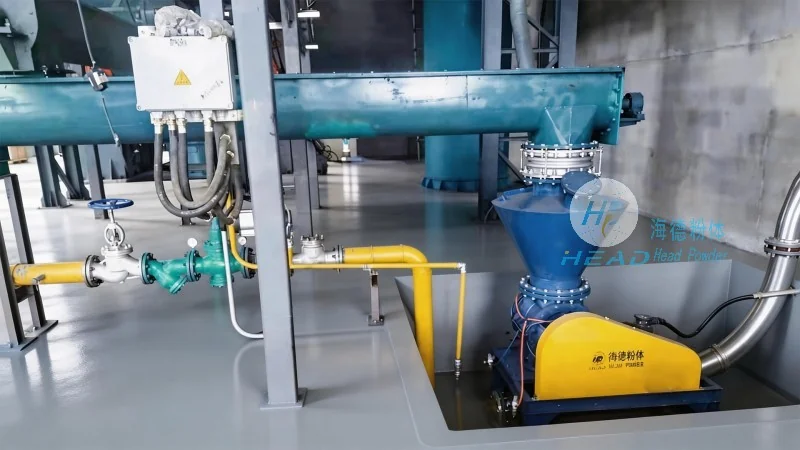
Understanding Pneumatic Conveying Systems
Pneumatic conveying systems utilize air pressure to transport dry, free-flowing materials like corn stalks, grains, and other agricultural byproducts. These systems are categorized into two main types: dilute-phase and dense-phase. Dilute-phase systems use high-velocity air to suspend particles in the air stream, while dense-phase systems operate at lower velocities, creating a more concentrated flow of material. For corn stalks, which are often processed into pellets or used as animal feed, a dilute-phase system is typically preferred due to its ability to handle larger particles and longer distances with minimal pressure drop.
Key Components of a Pneumatic Conveying System
The effectiveness of a corn stalks pneumatic conveying system depends on several critical components. The primary elements include a blower or compressor to generate the air flow, a hopper or feeder to introduce the material, a pipeline system to transport the material, and a receiver or discharge unit to collect the material at the destination. Each component must be carefully selected and sized to ensure optimal performance. For example, the blower's capacity and pressure must match the material's characteristics, such as particle size, moisture content, and density. The hopper design, including its angle and discharge mechanism, is crucial for preventing material bridging and ensuring a consistent feed rate.
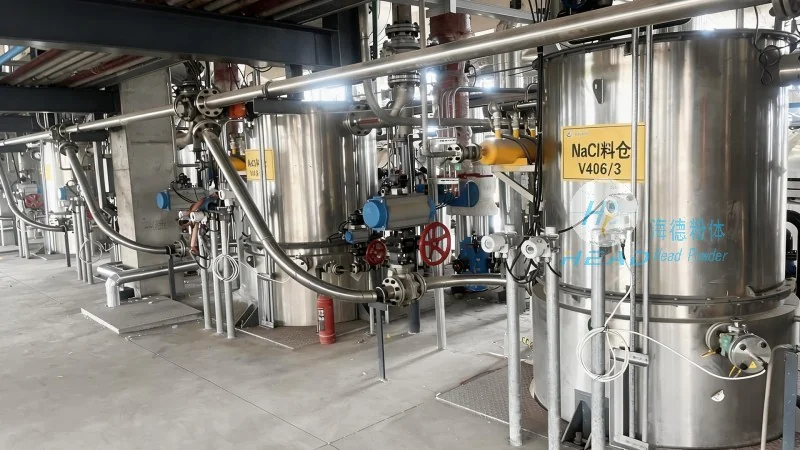
Advantages of Pneumatic Conveying for Corn Stalks
Compared to traditional conveyor belts or trucks, pneumatic conveying offers several advantages for corn stalks handling. First, it eliminates the need for physical contact between the material and the transport equipment, reducing wear and tear and minimizing the risk of contamination. Second, it allows for the transportation of materials over long distances without the need for intermediate storage or processing. Third, the system can be integrated with other processing equipment, such as pellet mills or drying ovens, to create a seamless production line. Additionally, pneumatic conveying is more energy-efficient than many other methods, as it uses less power per ton of material transported compared to trucking or belt conveyors.
Applications in Agricultural Processing
Corn stalks pneumatic conveying is widely used in various agricultural processing applications. One common use is in the production of corn stalk pellets, where the material is first chopped or ground into smaller particles and then conveyed to a pellet mill. The pneumatic system ensures that the material is delivered to the mill at a consistent rate, optimizing the pelletizing process. Another application is in the transportation of corn stalks to animal feed facilities, where the material is used as a source of fiber and energy. The system can also be used in the processing of other agricultural residues, such as wheat straw or rice husks, making it a versatile solution for the agricultural industry.
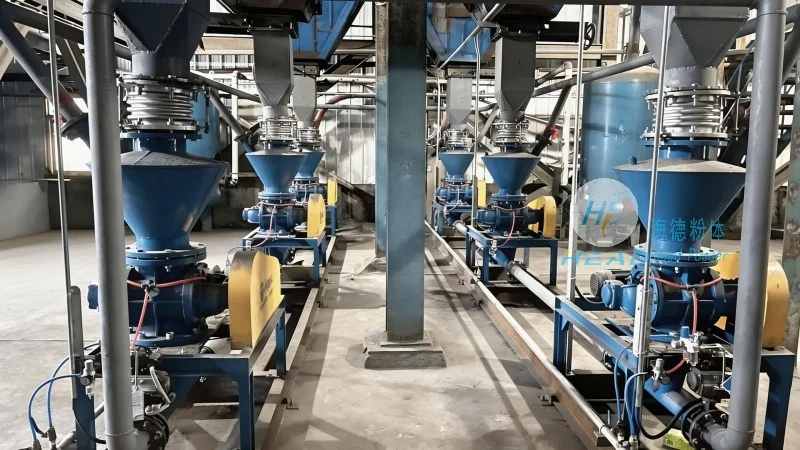
Considerations for System Design and Installation
Designing and installing a corn stalks pneumatic conveying system requires careful consideration of several factors. The first is the material's characteristics, including particle size distribution, moisture content, and abrasiveness. These factors affect the system's pressure drop, required air flow, and component selection. The second is the distance and elevation changes between the source and destination. Longer distances or higher elevations may require additional blower capacity or intermediate boosters. The third is the environmental conditions, such as temperature and humidity, which can impact the material's flow properties and the system's performance. Proper maintenance is also critical to ensure the system operates efficiently and reliably over time.
Case Study: A Successful Implementation by Shandong HeadPowder Engineering Co., Ltd.
Shandong HeadPowder Engineering Co., Ltd., a leading provider of bulk material handling solutions, has successfully implemented corn stalks pneumatic conveying systems for several clients. One project involved a large-scale corn processing facility in Shandong, China, where the company designed and installed a dilute-phase system to transport chopped corn stalks from a storage silo to a pellet mill. The system was designed to handle 50 tons per hour of material over a distance of 200 meters, with a pressure drop of 0.5 bar. The system has been in operation for over two years, achieving a 15% reduction in energy consumption compared to traditional belt conveyors and a 20% increase in production efficiency. The client reported that the system has significantly reduced labor costs and improved the overall quality of the pellets produced.