

Airflow Transfer Technology for Trilayer Cathode Materials: In-Depth Analysis of Negative and Positi
Trilayer cathode materials are a critical component in modern lithium-ion batteries, playing a pivotal role in determining battery performance, energy density, and safety. The efficient and safe transfer of these materials from production to processing stages is essential for maintaining high-quality standards and optimizing manufacturing workflows. Pneumatic conveying systems, particularly those utilizing negative and positive pressure methods, have emerged as advanced solutions for handling these sensitive materials. This article provides a comprehensive analysis of negative and positive pressure pneumatic conveying technologies as applied to trilayer cathode materials, highlighting their operational principles, advantages, and practical applications.
Introduction to Pneumatic Conveying Systems for Trilayer Cathode Materials
Trilayer cathode materials, typically composed of nickel, cobalt, and manganese (or other transition metals), are highly reactive and require specialized handling to prevent degradation or contamination. Conventional bulk material handling methods, such as bucket elevators or belt conveyors, may introduce friction, heat, or particle breakage, compromising material integrity. Pneumatic conveying systems offer a non-contact, low-damage solution that minimizes material degradation while ensuring precise control over flow rates and particle distribution. The choice between negative and positive pressure systems depends on factors like material properties, system layout, and operational requirements.
Negative Pressure Pneumatic Conveying: Principles and Applications
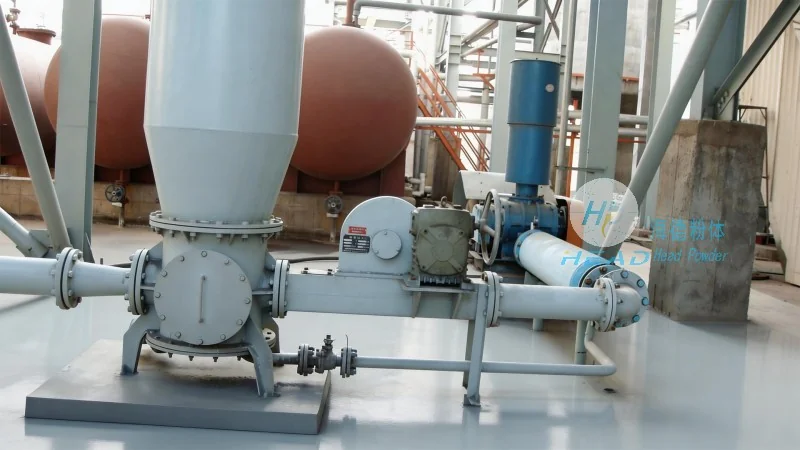
Negative pressure (or vacuum) pneumatic conveying systems operate by creating a low-pressure environment at the material inlet, drawing material into a conveying line using a vacuum pump. This method is particularly suitable for materials that are prone to dust generation or require gentle handling. For trilayer cathode materials, negative pressure systems can effectively transport powders from storage silos or hoppers to processing equipment without exposing the material to external air or mechanical stress. The vacuum pump generates a pressure differential that pulls material through the pipeline, ensuring a consistent flow rate and preventing particle agglomeration. A key advantage of negative pressure systems is their ability to handle fine powders and prevent dust emissions, which is critical for maintaining air quality in battery manufacturing facilities.
Positive Pressure Pneumatic Conveying: Operational Advantages
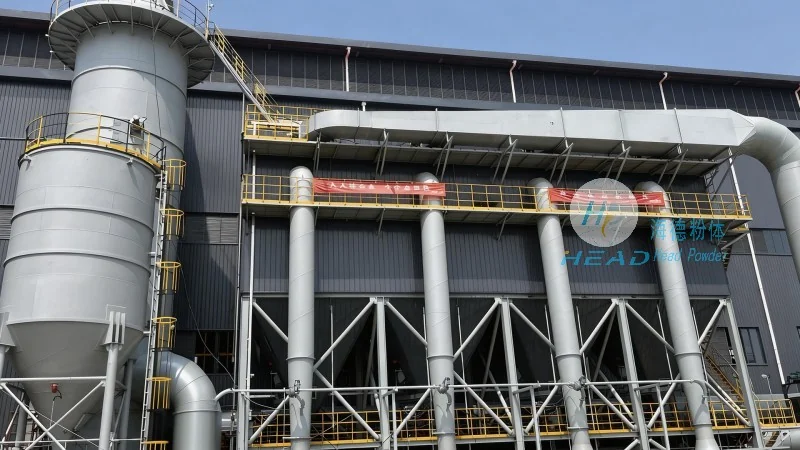
Positive pressure pneumatic conveying systems, in contrast, use a blower or compressor to generate high-pressure air that pushes material through the conveying line. This method is ideal for materials that are more cohesive or require higher flow rates. For trilayer cathode materials, positive pressure systems can handle larger particle sizes or bulkier materials while maintaining efficient transfer. The high-pressure air ensures that material is propelled through the pipeline with minimal pressure loss, reducing the risk of blockages or material degradation. Additionally, positive pressure systems are often more cost-effective for long-distance or high-volume transfers, as they can handle larger quantities of material with fewer components.
Comparative Analysis: Negative vs. Positive Pressure Systems
When selecting a pneumatic conveying system for trilayer cathode materials, it is essential to evaluate the specific requirements of the application. Negative pressure systems excel in applications where material dust control and gentle handling are paramount, such as in cleanroom environments or when transporting sensitive materials that are prone to oxidation. Positive pressure systems, on the other hand, are preferred for high-volume, long-distance transfers where material integrity is less critical or where the system layout necessitates high pressure. The choice also depends on the system's scalability and maintenance requirements. For instance, negative pressure systems may require more robust filtration to prevent dust accumulation, while positive pressure systems may need more powerful blowers to maintain consistent flow.
Key Considerations for Implementing Pneumatic Conveying in Battery Manufacturing
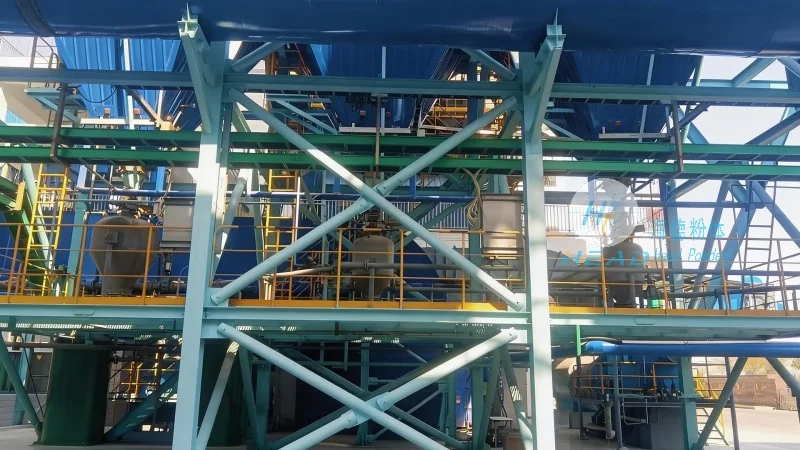
Implementing pneumatic conveying systems for trilayer cathode materials involves several critical considerations to ensure optimal performance and material quality. First, material properties must be thoroughly analyzed to determine the appropriate conveying method. Factors such as particle size distribution, moisture content, and cohesive tendency will influence the choice between negative and positive pressure systems. Second, system design must account for the need to minimize material degradation. This includes selecting appropriate pipeline materials (e.g., stainless steel or PTFE-lined pipes) and ensuring smooth transitions to avoid particle breakage. Third, dust control is a critical aspect, as trilayer cathode materials are often fine powders that can generate significant dust during handling. Proper filtration and enclosure systems are essential to maintain air quality and comply with regulatory standards. Fourth, operational efficiency and cost-effectiveness must be balanced. The system should be designed to minimize energy consumption while maximizing material throughput, ensuring a sustainable and cost-effective solution for battery manufacturers.
Case Study: Application of Pneumatic Conveying by Shandong HeadPowder Engineering Co., Ltd.
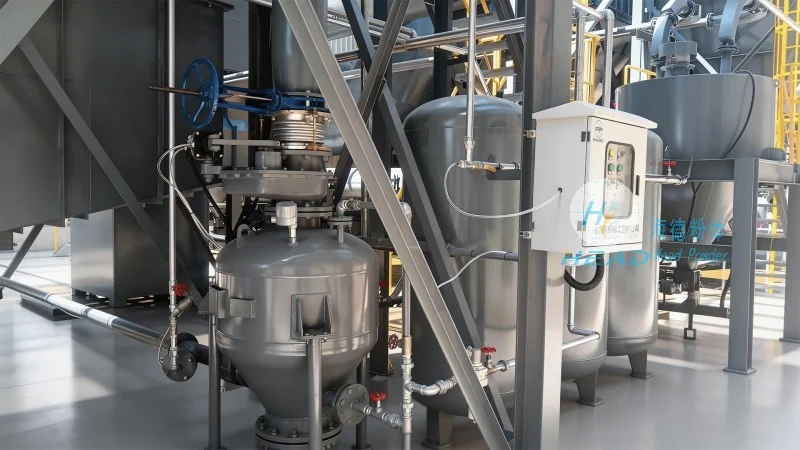
Shandong HeadPowder Engineering Co., Ltd., a leading provider of bulk material handling solutions, has successfully implemented both negative and positive pressure pneumatic conveying systems for trilayer cathode materials in various battery manufacturing facilities. One notable project involved the integration of a negative pressure system to transport fine trilayer cathode powders from a storage silo to a mixing and coating line in a cleanroom environment. The system was designed with high-efficiency filtration and a vacuum pump capable of maintaining a consistent negative pressure of -0.8 bar, ensuring that material was transferred without dust emissions or particle degradation. The result was a 20% reduction in material loss and improved product consistency, as verified by quality control tests. Another project utilized a positive pressure system to transfer bulk trilayer cathode materials from a raw material hopper to a high-speed mixing machine, achieving a throughput of 10 tons per hour with minimal pressure loss. The system's robust design and energy-efficient blower ensured long-term operational reliability and cost savings for the client.
Future Trends and Innovations in Pneumatic Conveying for Trilayer Cathode Materials
As the battery industry continues to evolve, advancements in pneumatic conveying technology are expected to further enhance the handling of trilayer cathode materials. Emerging trends include the integration of smart sensors and automation to monitor material flow rates, pressure differentials, and particle size distribution in real-time. This allows for dynamic adjustments to the conveying system, optimizing performance and preventing system failures. Additionally, the development of more durable and corrosion-resistant materials for pipelines and components will extend the lifespan of pneumatic conveying systems, reducing maintenance costs. Furthermore, the adoption of hybrid systems, combining negative and positive pressure methods, may offer a balanced solution for applications requiring both gentle handling and high-volume transfer. These innovations will contribute to more efficient, sustainable, and reliable manufacturing processes for trilayer cathode materials, supporting the growth of the lithium-ion battery industry.