

[Malt Pneumatic Conveying Technology: Principles, Applications, and Development Trends]
Efficient and reliable material handling is a critical aspect of modern industrial operations, particularly in the food and beverage sector. Among the various technologies available for transporting bulk materials, pneumatic conveying stands out as a versatile and effective solution. This article explores the principles, applications, and evolving trends of malt pneumatic conveying technology, highlighting its significance in the malting and brewing industries. The discussion is presented by Shandong HeadPowder Engineering Co., Ltd., a leading provider of specialized engineering solutions for the food processing sector.
Principles of Malt Pneumatic Conveying
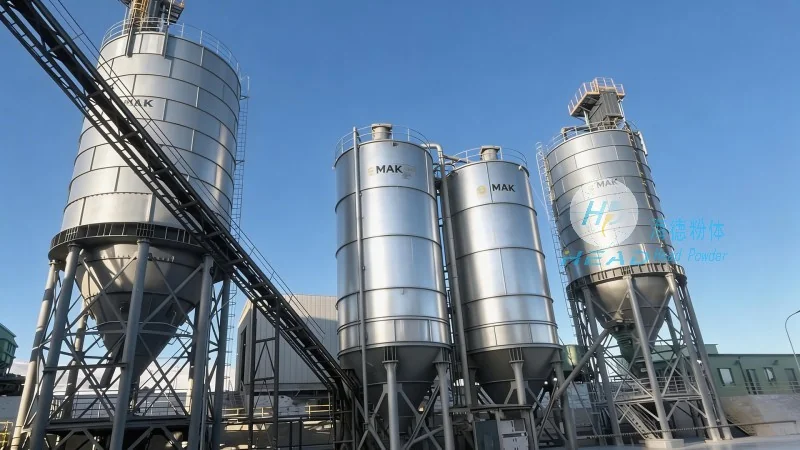
Malt pneumatic conveying systems operate by transporting dry bulk materials, such as malt, using a combination of air and pressure. The core principle involves creating a flow of air that moves the material through a pipeline. There are two primary types of pneumatic conveying systems: positive pressure and negative pressure systems. Positive pressure systems generate air pressure at the inlet, pushing the material forward, while negative pressure systems create a vacuum at the outlet, drawing the material into the system. The choice between these systems depends on factors like material characteristics, distance, and system complexity. In malt handling, positive pressure systems are often preferred due to their ability to handle abrasive materials and maintain consistent flow rates. The system typically consists of a hopper, a conveyor line, and a receiver, with components like rotary valves, filters, and dust collectors to ensure efficient and clean operation.
Applications in the Brewing Industry
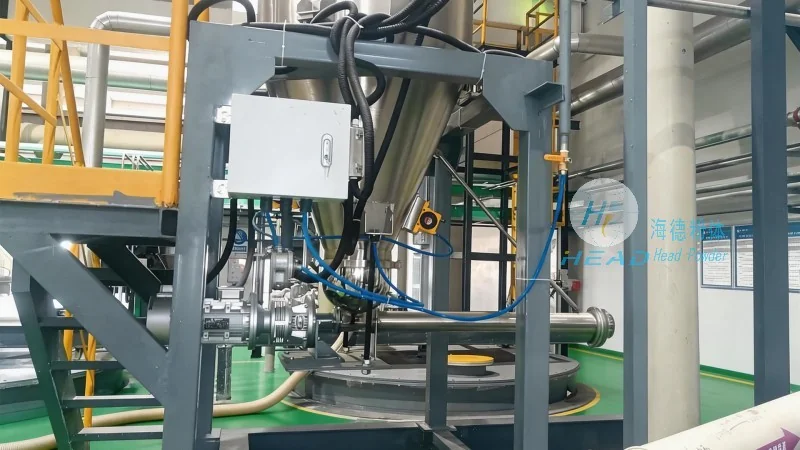
Malt pneumatic conveying technology finds extensive application in the brewing industry, where the efficient movement of malt from storage to the brewhouse is essential for maintaining production efficiency and product quality. The system is commonly used for transporting malt from silos or storage bins to the mashing tanks, ensuring a continuous and controlled supply of raw material. This is particularly important in large-scale breweries where high throughput is required. The technology also supports the integration of malt into other processing steps, such as grinding and conditioning, by providing a seamless transition between stages. By eliminating the need for manual handling and reducing the risk of contamination, pneumatic conveying enhances overall operational safety and hygiene. The system's ability to handle different malt types, including whole, crushed, or ground malt, makes it adaptable to various brewing processes. Furthermore, the use of automated control systems allows for precise regulation of material flow, ensuring that the brewhouse receives the exact amount of malt required for each batch.
Advantages of Malt Pneumatic Conveying Systems
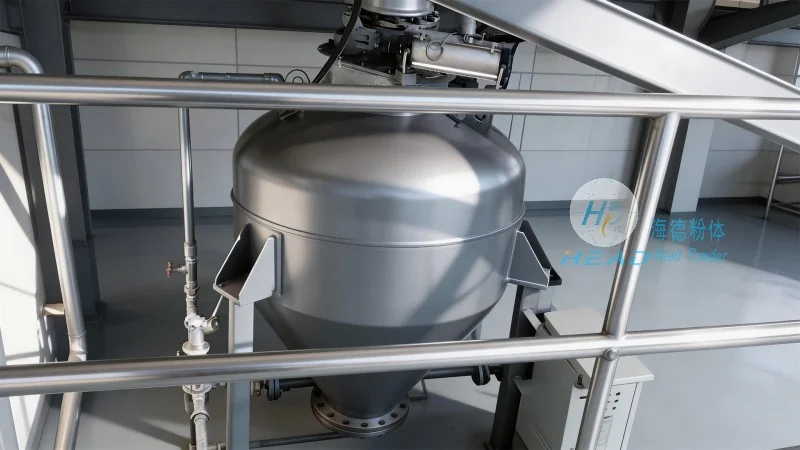
Compared to traditional mechanical conveying methods, malt pneumatic conveying systems offer several advantages that make them a preferred choice for many breweries. One of the key benefits is the reduction in labor costs and operational downtime. By automating the material handling process, the system minimizes the need for manual intervention, leading to increased productivity and reduced labor expenses. Additionally, pneumatic conveying systems are more hygienic and cleaner, as they operate in enclosed pipelines, preventing contamination from external sources. This is crucial in the food and beverage industry, where product safety and compliance with regulatory standards are paramount. The system also offers flexibility in terms of layout and integration with existing facilities. It can be easily customized to fit the specific requirements of a brewery, including varying distances and material flow rates. Another advantage is the energy efficiency of modern pneumatic conveying systems, which utilize advanced air compression and control technologies to minimize energy consumption. This not only reduces operational costs but also contributes to environmental sustainability.
Technological Developments and Future Trends
The field of malt pneumatic conveying technology is continuously evolving, with ongoing advancements aimed at improving efficiency, reliability, and sustainability. One of the key trends is the integration of automation and digital control systems. Modern systems now incorporate sensors and monitoring devices that provide real-time data on material flow, pressure, and air consumption. This allows for proactive maintenance and optimization of the system, reducing downtime and improving overall performance. Additionally, the use of advanced materials and coatings in system components enhances durability and resistance to corrosion, particularly in environments where malt and other materials may be abrasive or acidic. Another development is the adoption of energy-efficient air compressors and variable frequency drives, which adjust air pressure and flow based on actual demand, further reducing energy consumption. The trend towards modular and scalable systems also allows breweries to expand their operations without significant capital investment, as components can be added or modified as needed. Furthermore, the focus on sustainability is driving the development of systems that minimize waste and optimize material usage. This includes features like dust recovery systems and precise dosing mechanisms that reduce material loss and environmental impact. As the brewing industry continues to grow and demand higher quality products, the evolution of malt pneumatic conveying technology will play a crucial role in meeting these challenges.
Conclusion
Malt pneumatic conveying technology represents a sophisticated and efficient solution for the transportation of bulk materials in the brewing industry. By understanding its principles, applications, and ongoing developments, breweries can make informed decisions about implementing or upgrading their material handling systems. The technology's ability to enhance operational efficiency, maintain product quality, and reduce costs makes it an essential component of modern brewing operations. As the industry continues to advance, the integration of advanced technologies and sustainable practices will further optimize the performance of malt pneumatic conveying systems, ensuring their continued relevance and importance in the future of brewing.