

What is Manganese Sulfate Material Handling? What Are the Design Principles?
Understanding the material handling of manganese sulfate is crucial for industries that rely on this chemical. Manganese sulfate, a vital compound in various applications including agriculture, battery production, and water treatment, requires efficient and safe handling systems to ensure operational efficiency and compliance with safety standards. This article explores the fundamental aspects of manganese sulfate material handling, focusing on the design principles that underpin effective systems.
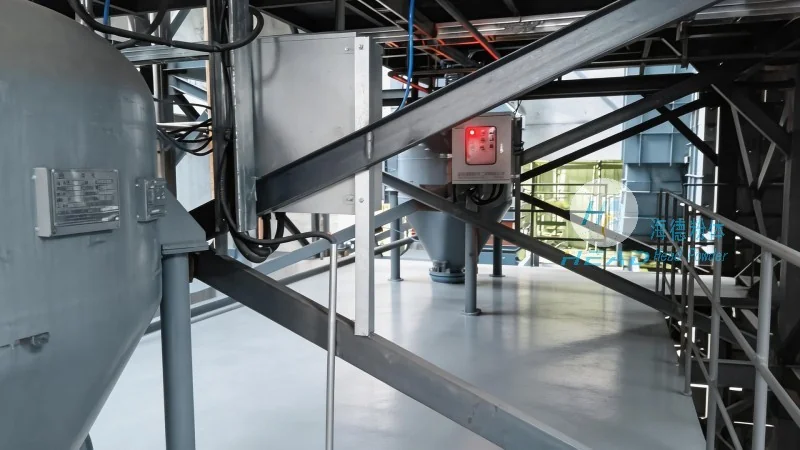
Introduction to Manganese Sulfate Material Handling
Manganese sulfate, with the chemical formula MnSO₄, is a water-soluble salt commonly used as a nutrient in fertilizers and as an electrolyte in rechargeable batteries. Its handling involves transporting, storing, and processing the material in a manner that minimizes risks such as dust exposure, chemical reactions, and equipment damage. The design of material handling systems for manganese sulfate must consider several key factors, including the physical properties of the material, environmental conditions, and the specific requirements of the end-use applications.
Key Design Principles for Manganese Sulfate Material Handling
The design of manganese sulfate material handling systems is guided by several critical principles aimed at ensuring safety, efficiency, and durability. These principles include:
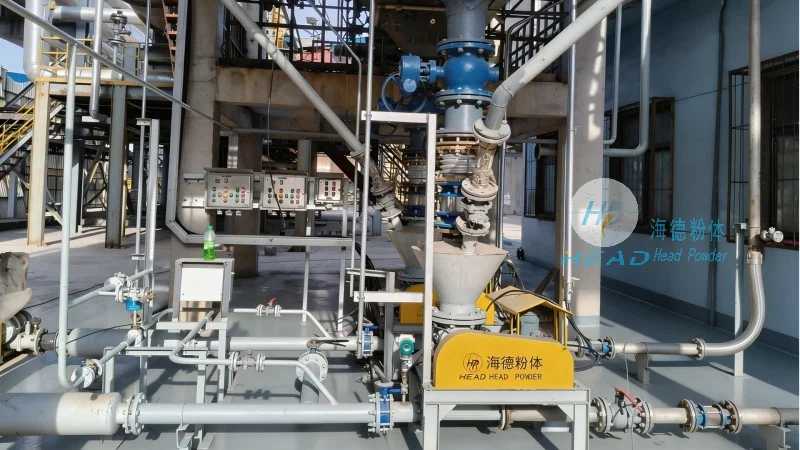
- Containment and Dust Control: Manganese sulfate is a fine powder that can generate dust during handling. Effective systems incorporate dust suppression measures, such as sealed hoppers, enclosed conveyors, and dust collection systems, to prevent inhalation hazards and environmental contamination.
- Material Compatibility: The equipment used for handling manganese sulfate must be compatible with the chemical. Materials like stainless steel or specialized plastics are often chosen to avoid corrosion or reaction with the sulfate compound, ensuring the longevity of the handling infrastructure.
- Flow Optimization: Proper design of storage silos and conveyor systems is essential to maintain consistent material flow. This includes considerations like hopper design to prevent bridging or caking, which can impede material movement and cause equipment blockages.
- Safety and Ergonomics: The handling process must prioritize worker safety. This involves implementing safety protocols, such as proper ventilation, personal protective equipment (PPE) requirements, and ergonomic design of handling equipment to reduce physical strain on operators.
Components of a Typical Manganese Sulfate Material Handling System
A typical manganese sulfate material handling system comprises several interconnected components that work together to transport and process the material. These components include:
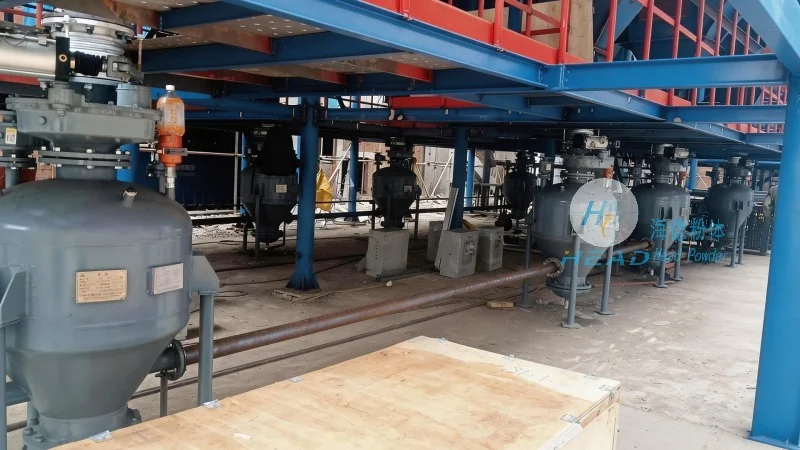
- Storage Silos: Large, sealed silos are used to store bulk quantities of manganese sulfate. These silos are designed with a conical bottom to facilitate material discharge and are equipped with level sensors to monitor inventory levels.
- Conveying Equipment: Conveyors, such as belt conveyors or screw conveyors, are used to transport manganese sulfate from the storage silos to processing or packaging areas. The choice of conveyor type depends on the material's flow characteristics and the required throughput.
- Feeding Systems: Feeders, like rotary valves or vibratory feeders, are used to control the flow rate of manganese sulfate from the silos to the conveyors. These systems ensure a consistent and controlled discharge, preventing overloading or underloading of downstream equipment.
- Packaging and Discharge Equipment: For applications requiring packaged products, the system includes packaging machines and discharge mechanisms that safely transfer the material into bags or containers. This stage also involves dust collection systems to capture any airborne particles.
Role of Material Handling in Manganese Sulfate Production
Efficient material handling is integral to the overall production process of manganese sulfate. From raw material reception to final product packaging, each step must be optimized to minimize downtime and maximize productivity. The design principles discussed above ensure that the handling system aligns with the production requirements, supporting consistent output and quality control. For example, in battery production, where manganese sulfate is used as an electrolyte, precise material handling is critical to maintaining the purity and consistency of the final product.
Conclusion
The material handling of manganese sulfate is a complex process that requires careful consideration of design principles to ensure safety, efficiency, and durability. By implementing appropriate containment measures, using compatible materials, optimizing flow, and prioritizing safety, industries can effectively manage the handling of this vital chemical. The expertise of companies like Shandong HeadPowder Engineering Co., Ltd. plays a crucial role in designing and implementing such systems, ensuring that manganese sulfate is handled in a manner that meets both operational and regulatory standards.