

Sorghum Distillers Grains Pneumatic Conveying Technology: In-Depth Analysis of Vacuum and Positive P
HeadPowder, a leading engineering firm based in Shandong, China, specializes in advanced pneumatic conveying systems tailored for the handling of sorghum distillers grains. This article delves into the core technologies of vacuum and positive pressure pneumatic conveying, exploring their applications and benefits in the industrial processing of this byproduct from the distillation industry.
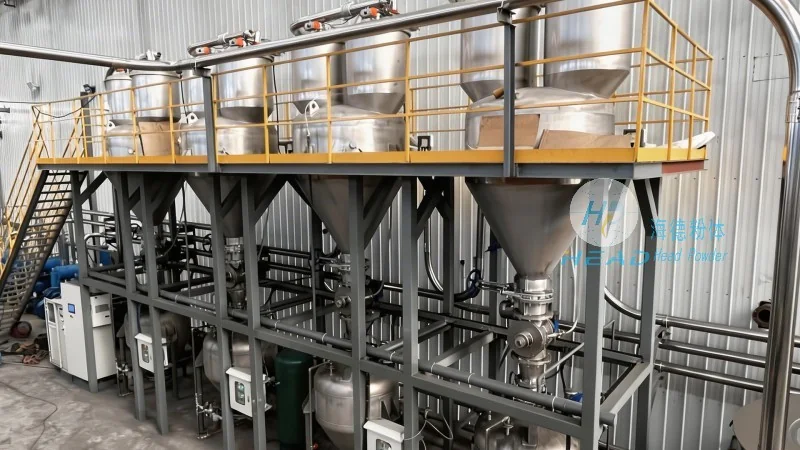
Vacuum Pneumatic Conveying for Sorghum Distillers Grains
Vacuum pneumatic conveying systems utilize a negative pressure environment to draw material from a source into a conveying line. For sorghum distillers grains, which are often dry and free-flowing, vacuum systems offer several advantages. The primary benefit is the ability to transport materials over relatively short distances with minimal equipment complexity. HeadPowder’s vacuum conveying solutions are designed to handle the specific characteristics of distillers grains, ensuring efficient and reliable material transport. These systems typically consist of a suction hopper, a rotary airlock valve, and a vacuum pump, all working in tandem to maintain the negative pressure required for material movement. The design considerations include the material's moisture content, particle size distribution, and the need for gentle handling to prevent degradation or dust generation. By leveraging vacuum technology, industries can achieve cost-effective and clean material transfer, reducing the need for additional equipment like conveyors or elevators.
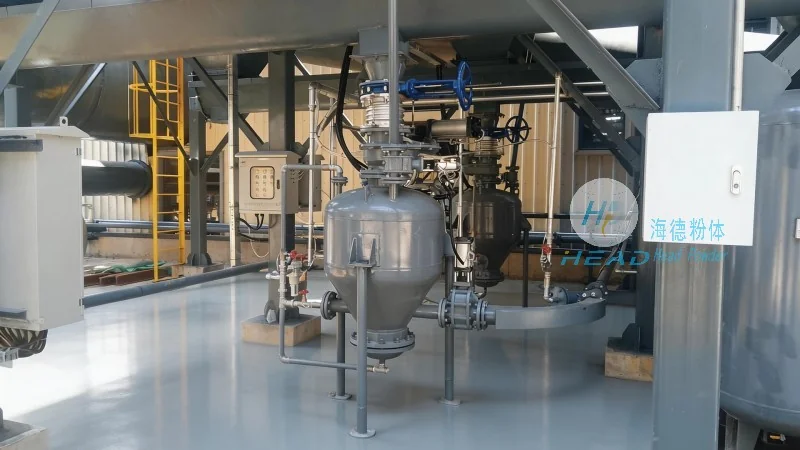
Positive Pressure Pneumatic Conveying for Sorghum Distillers Grains
In contrast, positive pressure pneumatic conveying operates by blowing air or gas under pressure into a sealed conveying line, pushing material forward. This method is particularly suitable for longer transport distances and for materials that are more cohesive or have higher moisture content. HeadPowder’s positive pressure systems are engineered to handle the unique challenges of sorghum distillers grains, such as their tendency to clump or form agglomerates. The systems incorporate high-pressure blowers, flexible hoses, and specialized valves to ensure consistent material flow. Positive pressure conveying offers higher capacity and the ability to transport materials vertically or over longer horizontal distances compared to vacuum systems. However, it requires more robust equipment and higher energy consumption. The choice between vacuum and positive pressure depends on the specific operational requirements, including distance, material properties, and cost considerations.
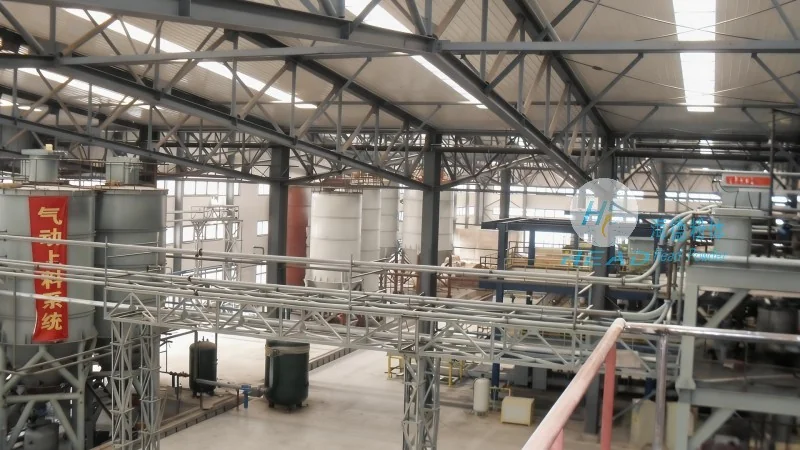
Key Applications and Benefits of Pneumatic Conveying for Sorghum Distillers Grains
The application of pneumatic conveying technology in the sorghum distillers grains industry has revolutionized material handling processes. By eliminating the need for traditional mechanical conveyors, which can cause material degradation or contamination, pneumatic systems provide a more hygienic and efficient solution. HeadPowder’s solutions are tailored to meet the demands of various processing stages, from raw material intake to final product packaging. The benefits extend beyond just material transport; they include reduced labor costs, minimized equipment maintenance, and improved overall process efficiency. For example, in a distillery, sorghum distillers grains are often used as animal feed or for further processing into biofuels. Pneumatic conveying allows for seamless integration of these processes, ensuring that the material is handled gently and efficiently throughout the entire workflow. The technology also supports scalability, enabling industries to expand their operations without significant changes to the conveying infrastructure.
Technical Considerations and System Design by HeadPowder
Designing an effective pneumatic conveying system for sorghum distillers grains involves careful consideration of several technical factors. HeadPowder’s engineering team focuses on optimizing system performance by analyzing the material's physical properties, such as bulk density, flowability, and moisture content. The selection of the appropriate conveying method—vacuum or positive pressure—is critical and depends on the specific application requirements. For instance, vacuum systems are ideal for short-distance transport where the material is dry and free-flowing, while positive pressure systems are better suited for longer distances or when the material is more cohesive. The system design also includes considerations for air flow rates, pressure differentials, and the use of appropriate filtration to prevent dust accumulation. HeadPowder’s solutions are built with high-quality components, ensuring durability and low maintenance. The company’s expertise in material handling engineering allows them to provide customized solutions that address the unique challenges of each client's operation.
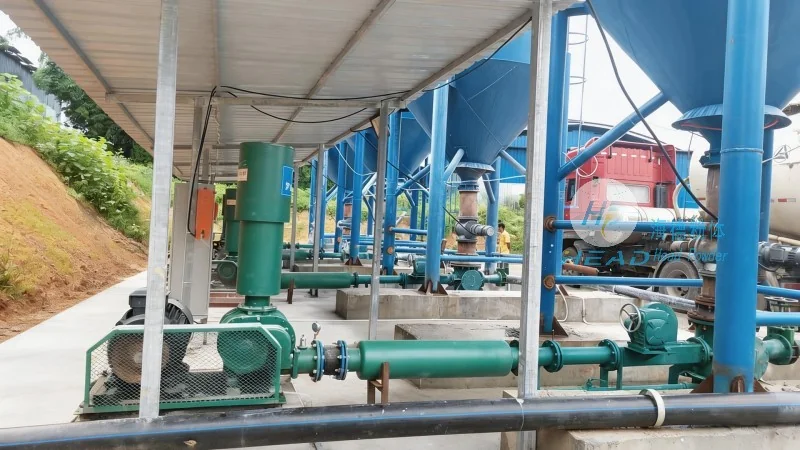
Conclusion and Future Directions
As the demand for efficient and sustainable material handling solutions in the distillers grains industry grows, pneumatic conveying technology remains a key player. HeadPowder, with its headquarters in Shandong, China, continues to innovate and provide advanced solutions that enhance operational efficiency and reduce costs. By leveraging both vacuum and positive pressure pneumatic conveying technologies, industries can optimize their material transport processes, ensuring that sorghum distillers grains are handled safely and effectively. The future of pneumatic conveying for this application lies in further integration with automation and digital monitoring systems, which will provide real-time data on system performance and enable predictive maintenance. HeadPowder is committed to staying at the forefront of this technology, offering clients reliable and efficient solutions that meet their evolving needs.