

Classification and Composition of Pneumatic Conveying Systems for Lithium-Ion Battery Raw Materials
HeadPowder, a leading engineering company based in Shandong, China, specializes in the design and manufacturing of advanced pneumatic conveying systems tailored for the lithium-ion battery industry. This article provides an in-depth look at the classification and essential components of such systems, highlighting their role in ensuring efficient material handling for battery production processes.
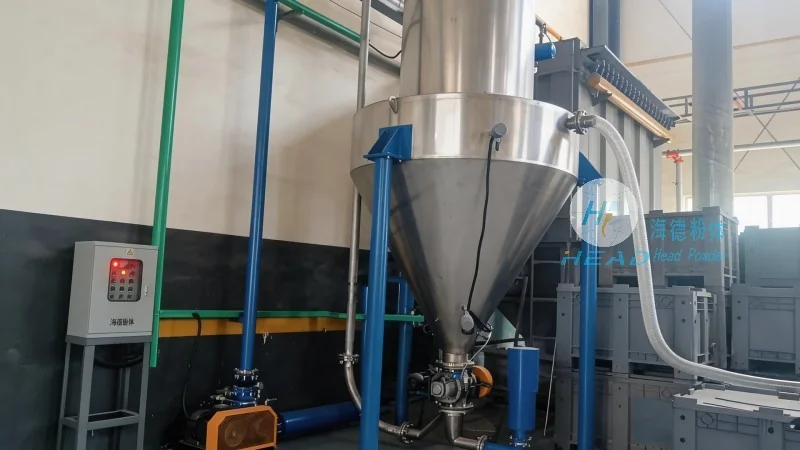
Overview of Pneumatic Conveying Systems in Lithium-Ion Battery Manufacturing
Pneumatic conveying systems are critical infrastructure in lithium-ion battery production facilities, responsible for transporting raw materials like lithium compounds, cobalt, nickel, and other powders from storage to processing units. These systems offer a dust-free, enclosed method of material transport, which is essential for maintaining product purity and operational safety in high-tech battery manufacturing environments. The choice of system type and its components directly impacts the efficiency, reliability, and scalability of the overall production line.
Classification of Pneumatic Conveying Systems for Lithium-Ion Battery Raw Materials
There are primarily two main categories of pneumatic conveying systems used in the lithium-ion battery industry: dilute-phase and dense-phase systems. Each type is selected based on the material characteristics, required transport distance, and production throughput. Dilute-phase systems use low-pressure air to suspend and transport particles, making them suitable for short to medium distances and low to medium flow rates. Dense-phase systems, on the other hand, operate at higher pressures and use a higher air-to-material ratio, which allows for more efficient transport of bulk materials over longer distances without segregation or degradation of the product.
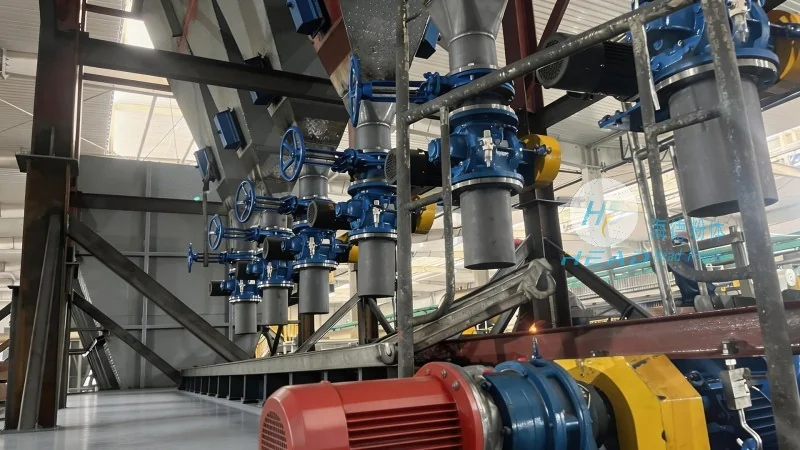
Key Components of Pneumatic Conveying Systems
The core components of a pneumatic conveying system for lithium-ion battery raw materials include the material feeder, the conveying line (usually a pipe), the air supply system (blower or compressor), and the material discharge equipment. The material feeder is responsible for accurately metering and feeding the raw material into the conveying line, ensuring consistent flow rates. This component is crucial for maintaining system efficiency and preventing material buildup or blockages. The conveying line, typically made of stainless steel or other corrosion-resistant materials, is designed to withstand the abrasive nature of battery raw materials and maintain a clean, dust-free environment. The air supply system provides the necessary pressure and volume of air to move the material through the line. Blowers are commonly used due to their ability to handle large volumes of air at relatively low pressures, which is ideal for dilute-phase systems. The material discharge equipment, such as rotary valves or surge hoppers, controls the release of material from the conveying line into the processing equipment, ensuring smooth and controlled material flow.
Material Feeder Systems
Material feeders are a critical component in ensuring the consistent and reliable operation of pneumatic conveying systems. For lithium-ion battery raw materials, which often include fine powders and granules, the feeder must be capable of handling a wide range of particle sizes and flow rates. Common types of feeders include rotary valves, screw feeders, and vibratory feeders. Rotary valves are widely used due to their ability to provide a controlled, metered flow of material, preventing overfilling and maintaining a consistent feed rate. Screw feeders are suitable for bulkier materials and can handle higher flow rates, while vibratory feeders are effective for materials that are prone to bridging or caking. The selection of the feeder type depends on the specific material properties, such as particle size distribution, moisture content, and flowability, as well as the required system performance and operational parameters.
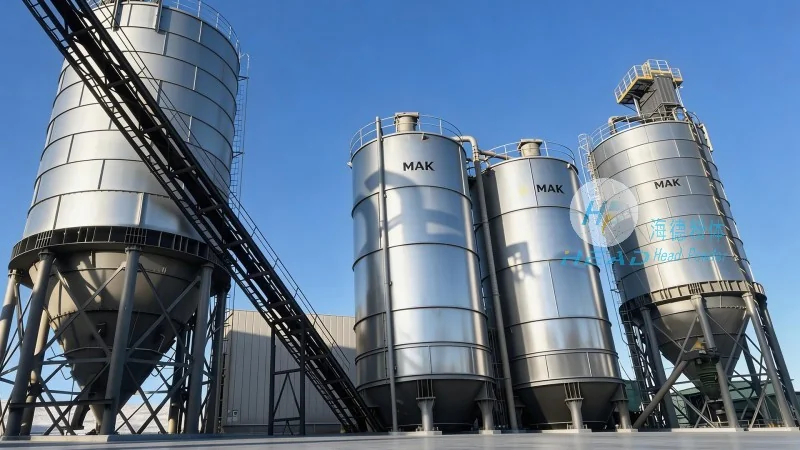
Conveying Line Design and Materials
The design of the conveying line is a critical factor in the performance and longevity of the pneumatic conveying system. The line must be constructed from materials that are resistant to corrosion, abrasion, and chemical attack from the battery raw materials. Stainless steel is the most common material used due to its durability and ability to maintain a clean surface, which is essential for preventing contamination and ensuring product purity. The line diameter and length are also carefully selected based on the material characteristics and the required transport distance. For example, larger line diameters are used for higher flow rates and longer distances, while smaller diameters are suitable for shorter distances and lower flow rates. The line may also include components such as bends, elbows, and expansion joints to accommodate changes in direction and accommodate thermal expansion or contraction.
Air Supply System and Blower Selection
The air supply system is responsible for providing the necessary pressure and volume of air to move the material through the conveying line. The choice of blower or compressor is a key decision in system design, as it directly impacts the system's efficiency and operating costs. For dilute-phase systems, centrifugal blowers are commonly used due to their ability to handle large volumes of air at relatively low pressures. These blowers are efficient and reliable, making them suitable for continuous operation in battery manufacturing facilities. The blower's capacity and pressure must be matched to the system's requirements, taking into account the material's specific gravity, particle size, and the length and diameter of the conveying line. Proper blower selection ensures that the system operates within its optimal range, minimizing energy consumption and maximizing material transport efficiency.
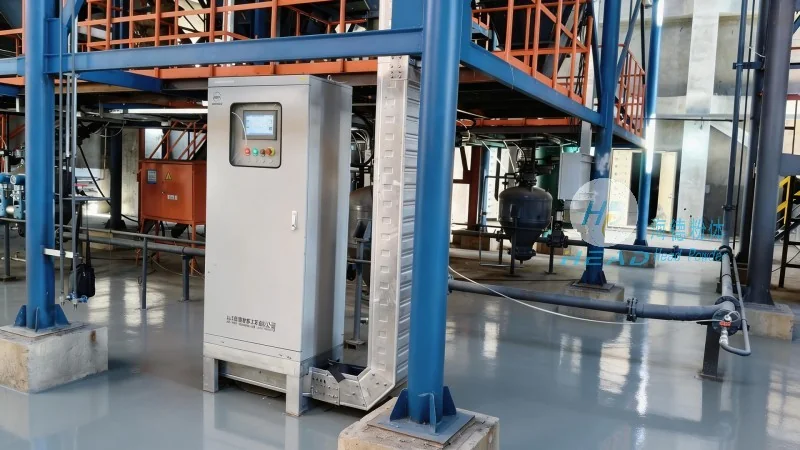
Material Discharge and Control Equipment
The material discharge equipment is responsible for controlling the release of material from the conveying line into the processing equipment. This component is critical for maintaining the flow rate and preventing material buildup or blockages in the downstream equipment. Common discharge equipment includes rotary valves, surge hoppers, and pressure vessels. Rotary valves are widely used due to their ability to provide a controlled, metered flow of material, preventing overfilling and maintaining a consistent discharge rate. Surge hoppers are used to store a small amount of material, providing a buffer between the conveying system and the processing equipment, which helps to smooth out fluctuations in material flow and prevent equipment shutdowns. Pressure vessels are used to store compressed air or material, providing a reserve of energy or material that can be used to maintain system pressure or feed rate during periods of high demand or equipment maintenance.
Integration and System Performance
The successful operation of a pneumatic conveying system for lithium-ion battery raw materials depends on the proper integration of all components and the optimization of system parameters. This includes matching the feeder, conveying line, and air supply system to the material characteristics and production requirements. System performance is typically evaluated based on factors such as material flow rate, conveying distance, pressure drop, and energy consumption. Regular maintenance and monitoring of the system are essential to ensure optimal performance and prevent equipment failures. HeadPowder, with its expertise in engineering and manufacturing, provides comprehensive solutions for the design, installation, and maintenance of pneumatic conveying systems, ensuring that battery manufacturers can achieve efficient, reliable, and cost-effective material handling for their production processes.