

Classification and Composition of Polyethylene Resin Powder Pneumatic Conveying Systems
Shandong HeadPowder Engineering Co., Ltd., commonly known as headpowder, is a professional manufacturer and supplier specializing in pneumatic conveying systems for polyethylene resin powders. Based in Shandong, China, the company has established itself as a leading provider of efficient and reliable solutions for handling polyethylene resin powders through pneumatic methods. This article aims to explore the classification and key components of such systems, offering insights into their design, functionality, and practical applications.
Overview of Polyethylene Resin Powder Pneumatic Conveying Systems
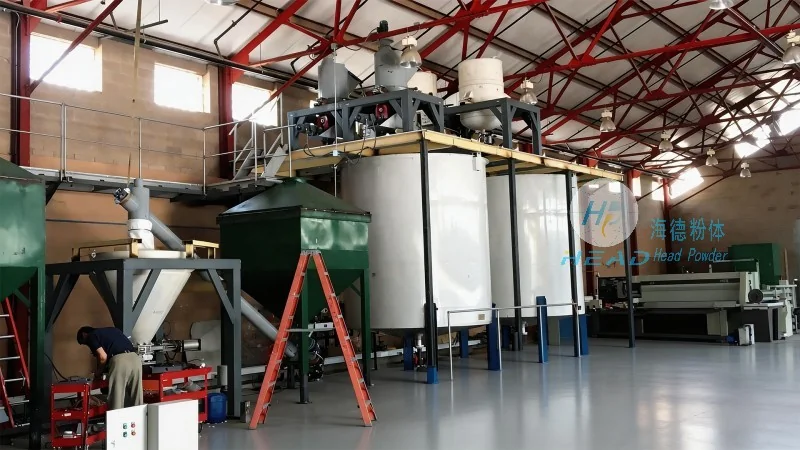
Polyethylene resin powder pneumatic conveying systems are engineered to transport polyethylene resin powders from storage to processing or packaging areas using air as the primary conveying medium. These systems are widely used in the plastics industry due to their ability to handle fine powders efficiently, minimize material loss, and maintain product integrity. The design of these systems varies based on several factors, including the type of polyethylene resin, the required conveying distance, and the desired flow rate. Understanding the classification and composition of these systems is crucial for selecting the most suitable solution for specific industrial needs.
Classification of Pneumatic Conveying Systems for Polyethylene Resin Powders
Pneumatic conveying systems for polyethylene resin powders can be broadly classified into two main categories: positive pressure systems and negative pressure (or vacuum) systems. Each type has distinct characteristics and is suitable for different operational scenarios.
Positive Pressure Systems
Positive pressure systems operate by blowing air or a carrier gas into the conveying line, creating a pressure higher than the ambient air pressure. This method is commonly used for short to medium conveying distances and when the material is relatively free-flowing. In these systems, the air is introduced at the inlet of the material feed point, and the pressure is maintained throughout the entire conveying line. Positive pressure systems are often preferred for applications where the material is sensitive to moisture or contamination, as the sealed system prevents external air from entering.
Negative Pressure (Vacuum) Systems
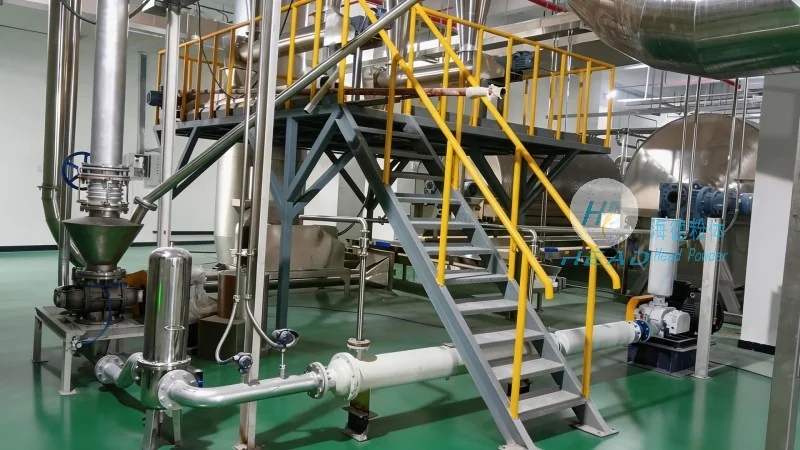
Negative pressure systems, on the other hand, create a vacuum in the conveying line by extracting air from the system. This approach is typically used for longer conveying distances or when the material is more cohesive and requires a gentle handling approach. The vacuum is generated at the discharge end of the system, pulling the polyethylene resin powder from the source to the destination. Negative pressure systems are effective for handling materials that are prone to bridging or caking, as the reduced pressure helps to break up agglomerates and maintain a consistent flow.
Other Classification Criteria
Beyond the primary pressure classification, pneumatic conveying systems can also be categorized based on the number of conveying lines and the method of material separation. For instance, single-line systems are used for straightforward, point-to-point conveying, while multi-line systems are employed when multiple sources need to be combined or when the material is to be distributed to several destinations. Additionally, some systems incorporate cyclone separators or filters to separate the polyethylene resin powder from the air at the discharge end, ensuring that the material is collected efficiently and the air is cleaned before release.
Key Components of Polyethylene Resin Powder Pneumatic Conveying Systems
The effectiveness of a polyethylene resin powder pneumatic conveying system depends on the integration of several critical components, each playing a vital role in the overall operation. The main components typically include:
1. Material Feed Hopper and Valve
The material feed hopper is the initial component where the polyethylene resin powder is stored before being conveyed. It is designed to hold a sufficient quantity of material to ensure continuous operation and to prevent material from caking or bridging. The hopper is equipped with a valve, such as a rotary valve or a slide valve, which controls the flow of material into the conveying line. The valve is crucial for regulating the material feed rate and preventing backflow or spillage.
2. Conveying Air Supply and Fan
The air supply system provides the necessary pressure or vacuum to move the polyethylene resin powder through the conveying line. In positive pressure systems, a high-pressure fan or blower generates the required airflow, while in negative pressure systems, a vacuum pump creates the suction. The fan or pump is selected based on the system's capacity, conveying distance, and the specific characteristics of the polyethylene resin powder, such as its density and particle size. Proper sizing of the air supply equipment is essential to ensure efficient conveying and to minimize energy consumption.
3. Conveying Line and Tubing
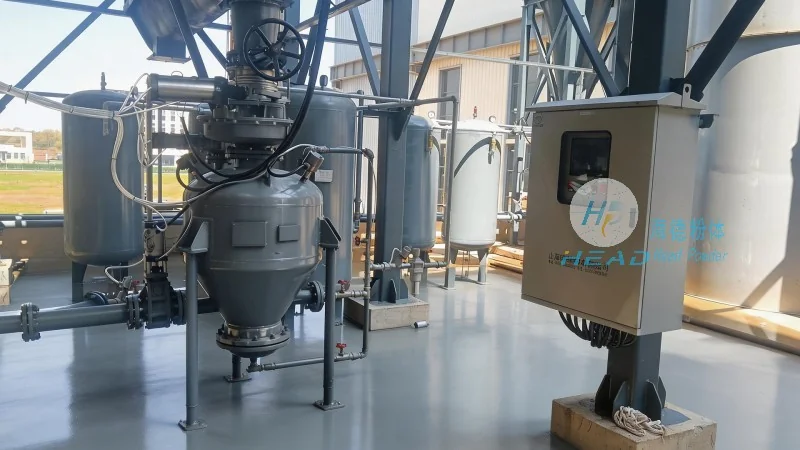
The conveying line, usually made of stainless steel or other corrosion-resistant materials, is the pathway through which the polyethylene resin powder and air travel. The line is designed to withstand the pressure or vacuum conditions and to prevent material buildup or leakage. The diameter and length of the line are critical factors that affect the system's performance. For example, a larger diameter line may be used for higher flow rates, while a longer line may require additional air boosters or larger fans to maintain the necessary pressure.
4. Separation and Collection Equipment
At the discharge end of the system, the polyethylene resin powder needs to be separated from the air and collected. This is typically achieved using a cyclone separator or a filter. The cyclone separator works by using centrifugal force to separate the heavier powder from the lighter air, directing the powder to a collection bin. Filters, such as bag filters or cartridge filters, are used to capture any fine particles that may have escaped the cyclone, ensuring that the air is clean before it is released into the environment. Proper maintenance of these separation components is essential to prevent material loss and to maintain the system's efficiency.
5. Control and Monitoring Systems
Modern pneumatic conveying systems for polyethylene resin powders often include control and monitoring systems to ensure optimal operation. These systems may include sensors to measure pressure, flow rate, and material level, as well as control valves to adjust the air supply or material feed rate. The control system can be integrated with a programmable logic controller (PLC) or a computer-based system, allowing for automated operation and real-time monitoring. This helps to maintain consistent performance, detect faults early, and reduce downtime.
Application Considerations and Best Practices
When implementing a polyethylene resin powder pneumatic conveying system, several factors need to be considered to ensure successful operation. The first is the selection of the appropriate system type based on the specific characteristics of the polyethylene resin powder, such as its particle size, moisture content, and flowability. For example, cohesive or fine powders may require a negative pressure system with gentle handling features, while free-flowing powders may be suitable for positive pressure systems.
Another important consideration is the system's capacity and conveying distance. The design must account for the required flow rate, which is influenced by factors like production throughput and processing speed. The conveying distance is also a critical factor, as it affects the pressure or vacuum required and may necessitate the use of air boosters or additional fans.
Proper installation and maintenance are essential for the long-term performance of the system. Regular cleaning of the conveying line, separation equipment, and air filters is necessary to prevent material buildup and ensure efficient operation. Additionally, routine inspections of the fan, pump, and control systems are recommended to identify and address any potential issues before they lead to system failure.
Conclusion
Polyethylene resin powder pneumatic conveying systems are sophisticated and efficient solutions for handling polyethylene resin powders in the plastics industry. By understanding the classification and key components of these systems, as well as the application considerations and best practices, industries can select and implement the most suitable solution for their specific needs. Shandong HeadPowder Engineering Co., Ltd. offers a range of high-quality pneumatic conveying systems tailored to meet the diverse requirements of polyethylene resin powder handling, ensuring reliable and efficient material transport from source to destination.