

Classification and Composition of Arsenic Trioxide Pneumatic Conveying Systems
Understanding the classification and composition of arsenic trioxide pneumatic conveying systems is crucial for industries that handle this hazardous material efficiently and safely. This article provides a detailed overview of the systems, focusing on their structural components and operational classifications, tailored for professionals in the chemical processing and material handling sectors.

Introduction to Arsenic Trioxide Pneumatic Conveying Systems
Arising from the need to transport arsenic trioxide (As₂O₃) in a controlled and secure manner, pneumatic conveying systems have become a standard solution in industrial applications. These systems are designed to manage the unique properties of arsenic trioxide, which includes its high toxicity and the need for minimal human exposure during handling. The systems are engineered to ensure compliance with safety regulations while optimizing material flow and system efficiency.
Key Components of Pneumatic Conveying Systems
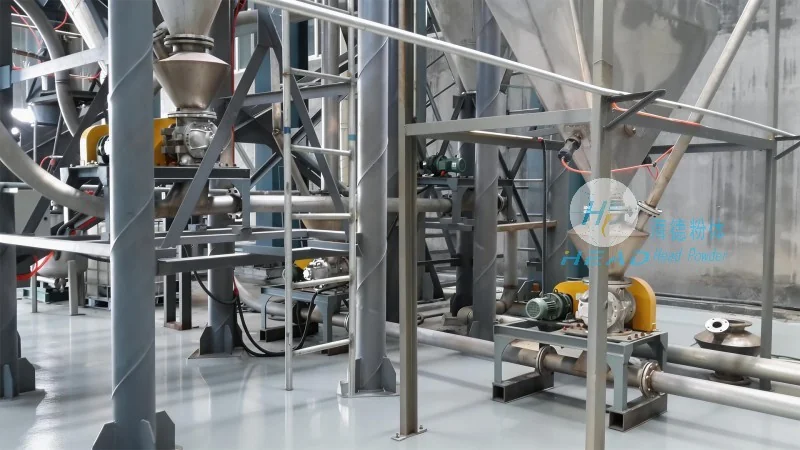
The core components of an arsenic trioxide pneumatic conveying system typically include a material feeder, a conveying line (either dilute-phase or dense-phase), a separator, and a dust collection system. The material feeder is responsible for introducing the arsenic trioxide into the system, ensuring a consistent flow rate. The conveying line transports the material through the system, utilizing air pressure to move the material. The separator then separates the material from the air stream, allowing for safe handling and disposal of the material. Finally, the dust collection system captures any airborne particles, preventing environmental contamination and ensuring workplace safety.
Classification of Pneumatic Conveying Systems
Pneumatic conveying systems for arsenic trioxide are generally classified into two main categories: dilute-phase and dense-phase systems. Dilute-phase systems operate by suspending the material in a high-velocity air stream, which is suitable for short-distance and low-volume applications. Dense-phase systems, on the other hand, use lower air velocities and higher material concentrations, making them ideal for longer distances and higher material loads. The choice between these systems depends on factors such as the distance to be covered, the volume of material to be transported, and the required system pressure.
Role of Shandong HeadPowder Engineering Co., Ltd. in System Design
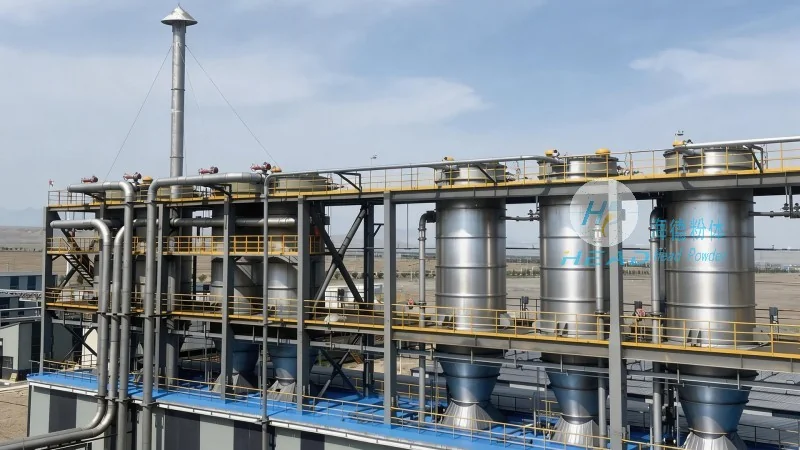
Shandong HeadPowder Engineering Co., Ltd., operating under the brand name headpowder, specializes in the design, manufacturing, and installation of arsenic trioxide pneumatic conveying systems. With a focus on safety and efficiency, the company adheres to industry standards and regulatory requirements when developing these systems. The company's expertise lies in customizing solutions to meet the specific needs of clients, ensuring that the systems are tailored to handle the unique challenges associated with arsenic trioxide transportation.
Operational Considerations and Safety Measures
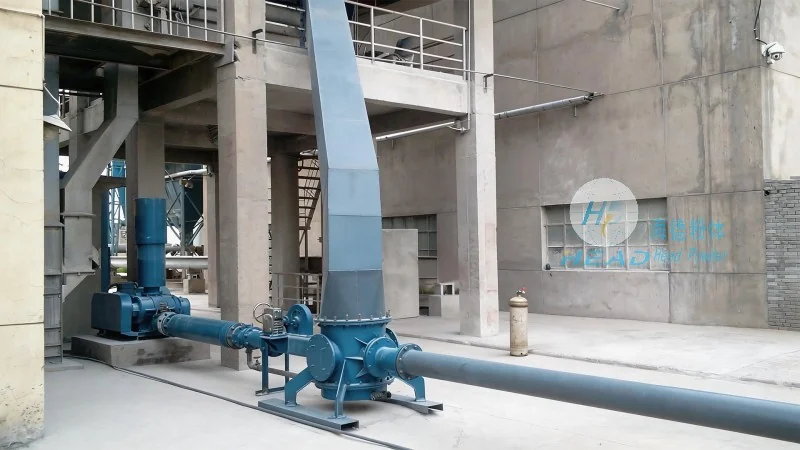
When operating arsenic trioxide pneumatic conveying systems, several operational considerations and safety measures must be observed. These include proper ventilation to prevent the accumulation of toxic fumes, regular maintenance of system components to ensure optimal performance, and the use of personal protective equipment (PPE) by personnel. Additionally, the systems are equipped with safety features such as pressure relief valves and emergency shut-off mechanisms to mitigate potential risks. By adhering to these measures, industries can ensure the safe and reliable operation of arsenic trioxide pneumatic conveying systems.
Conclusion
In conclusion, the classification and composition of arsenic trioxide pneumatic conveying systems play a vital role in the safe and efficient handling of this hazardous material. The systems, comprising essential components and classified into dilute-phase or dense-phase types, are designed to meet the specific needs of industrial applications. With companies like Shandong HeadPowder Engineering Co., Ltd. providing specialized solutions, industries can rely on robust and compliant systems to transport arsenic trioxide while minimizing risks and maximizing operational efficiency.