

Design Key Points for Wool Pneumatic Conveying System Solutions
Wool processing facilities often require efficient and reliable material handling solutions to manage the transportation of raw wool from storage areas to processing lines. A well-designed pneumatic conveying system is crucial for maintaining the quality of wool while ensuring smooth operational workflows. This article outlines the key design considerations for wool pneumatic conveying systems, focusing on the technical and practical aspects that contribute to optimal performance.
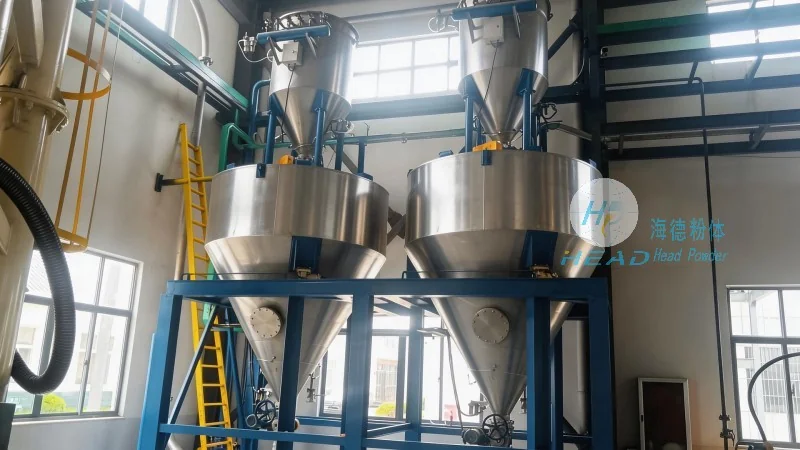
Understanding the Core Components of Wool Pneumatic Conveying Systems
At the heart of any wool pneumatic conveying system are several critical components that work in tandem to achieve effective material transport. The primary elements include the feed hopper, which collects and prepares the wool for transport; the air mover, which provides the necessary pressure or vacuum to move the material; and the conveying line, which channels the wool through the system. Each component must be carefully selected and sized to match the specific characteristics of the wool being handled, such as fiber length, moisture content, and bulk density.
Material Properties and Their Impact on System Design
The unique properties of wool, including its fibrous nature and tendency to clump or agglomerate, significantly influence the design of a pneumatic conveying system. Wool fibers are lightweight and can be easily entrained by air, but they also have a tendency to create blockages if not properly handled. Designers must consider factors like fiber length, which affects the air velocity required for effective transport, and moisture content, as higher moisture levels can increase the material's density and impact on system pressure. Additionally, the presence of impurities or debris in the raw wool requires filtration systems to prevent clogging and maintain system efficiency.
System Sizing and Airflow Calculations for Optimal Performance
Accurate system sizing is paramount to the success of a wool pneumatic conveying system. Engineers must calculate the required airflow and pressure based on the material's bulk density, the length and diameter of the conveying line, and the number of bends or changes in elevation. The feed hopper design plays a crucial role here, as it must provide a consistent material flow to the air mover without causing surges or fluctuations that could lead to system instability. Proper sizing ensures that the air mover operates within its optimal range, minimizing energy consumption and maximizing conveying efficiency.
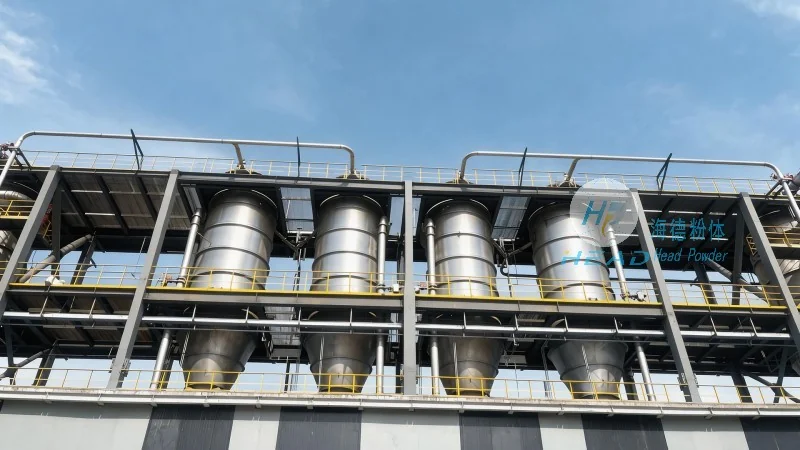
Material Handling and Dosing Systems Integration
Integrating material handling and dosing systems with the pneumatic conveying line is essential for maintaining consistent processing rates in wool production facilities. The dosing system, often a rotary valve or screw feeder, controls the amount of wool entering the conveying line, ensuring that the processing equipment receives a steady feed. This integration helps prevent overloading or underloading of the downstream equipment, which can lead to quality issues or equipment damage. The design of the dosing system must also account for the wool's tendency to stick or adhere to surfaces, requiring features like anti-adhesion coatings or cleaning mechanisms to maintain consistent performance.
Filtering and Cleaning Systems for System Longevity
Wool fibers are prone to clogging the filters and other components of a pneumatic conveying system, which can lead to reduced airflow and increased pressure drop over time. To mitigate this, designers incorporate robust filtering systems, such as bag filters or cartridge filters, that are capable of capturing fine wool particles while allowing clean air to pass through. Regular cleaning and maintenance of these filters are critical to maintaining system performance and preventing downtime. Additionally, the use of self-cleaning filters or automated cleaning cycles can help reduce manual intervention and ensure consistent operation.
Energy Efficiency and Environmental Considerations
Energy efficiency is a key consideration in the design of modern wool pneumatic conveying systems. By optimizing airflow and pressure, engineers can reduce energy consumption while maintaining or improving conveying performance. The selection of energy-efficient air movers, such as high-efficiency blowers or vacuum pumps, further contributes to lower operational costs. Environmental considerations also play a role, as the system must comply with local regulations regarding emissions and noise levels. Proper ventilation and noise reduction measures can help minimize the environmental impact of the system while ensuring a safe working environment for personnel.
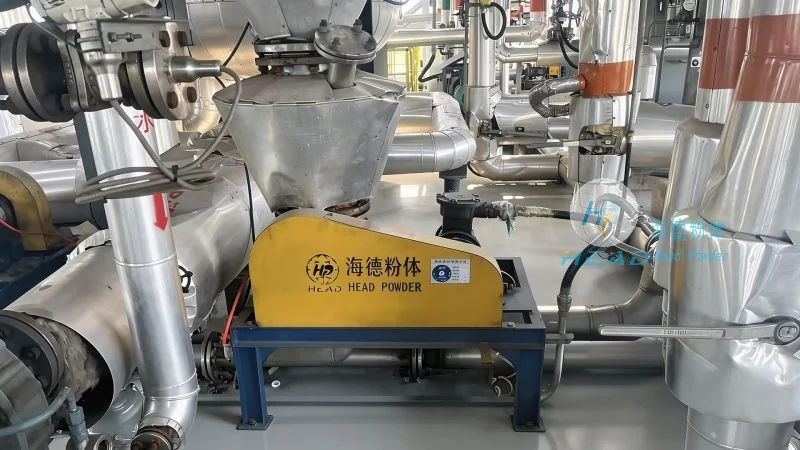
Installation and Maintenance Best Practices
The successful implementation of a wool pneumatic conveying system depends on proper installation and regular maintenance. During installation, it is essential to ensure that all components are properly aligned and secured to prevent vibrations or leaks that could affect system performance. The conveying line should be installed with appropriate supports and slope to facilitate material flow and prevent blockages. Regular maintenance, including inspections of filters, air movers, and conveying lines, is crucial to identify and address issues before they escalate into major problems. Training personnel on proper operation and maintenance procedures can also extend the system's lifespan and ensure consistent performance.
Case Study: Successful Implementation by Shandong HeadPowder Engineering Co., Ltd.
Shandong HeadPowder Engineering Co., Ltd., a leading provider of engineering solutions for material handling systems, has successfully implemented wool pneumatic conveying systems for several clients in the textile industry. One notable project involved the design and installation of a system for a large-scale wool processing facility in China. The system, tailored to the client's specific needs, included a feed hopper with a capacity of 5 tons, a high-efficiency blower, and a 200-meter conveying line with multiple bends. The system was designed to handle wool with a moisture content of up to 15% and a bulk density of 50 kg/m³, ensuring efficient transport to the processing lines. The client reported significant improvements in operational efficiency, with reduced downtime and lower energy consumption compared to their previous manual handling methods. This success highlights the importance of a well-designed system that considers all material properties and operational requirements.
Conclusion: Key Takeaways for Effective Wool Pneumatic Conveying
In conclusion, the design of a wool pneumatic conveying system requires a comprehensive understanding of the material's properties and the operational requirements of the processing facility. Key design considerations include material handling, system sizing, filtration, and energy efficiency. By addressing these factors, engineers can develop a system that not only meets the current needs of the facility but also adapts to future expansion or changes in processing requirements. The expertise of companies like Shandong HeadPowder Engineering Co., Ltd. is invaluable in ensuring that these systems are designed, installed, and maintained to deliver optimal performance and reliability for wool processing operations.