

Design Considerations for Gelatin Pneumatic Conveying System Solutions
When designing a gelatin pneumatic conveying system, several key factors must be carefully considered to ensure efficient operation, reliability, and cost-effectiveness. This article outlines the essential design considerations for such systems, providing insights into the technical and practical aspects that influence system performance.
System Selection and Material Characteristics
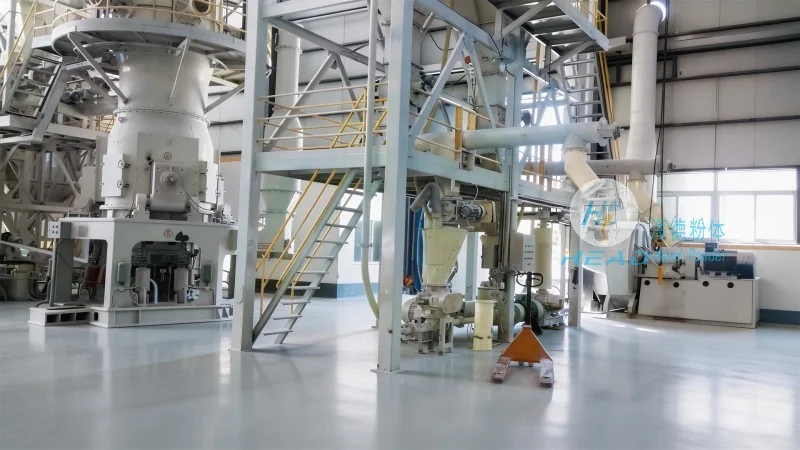
The first step in designing a gelatin pneumatic conveying system involves selecting the appropriate system type based on the material's properties and the process requirements. Gelatin is a hygroscopic, high-value material that requires gentle handling to prevent degradation or clumping. Therefore, systems that use low-velocity, dense-phase conveying are often preferred over high-velocity, dilute-phase systems. This approach minimizes material impact and shear, preserving the product's quality and integrity.
Component Selection and Material Compatibility
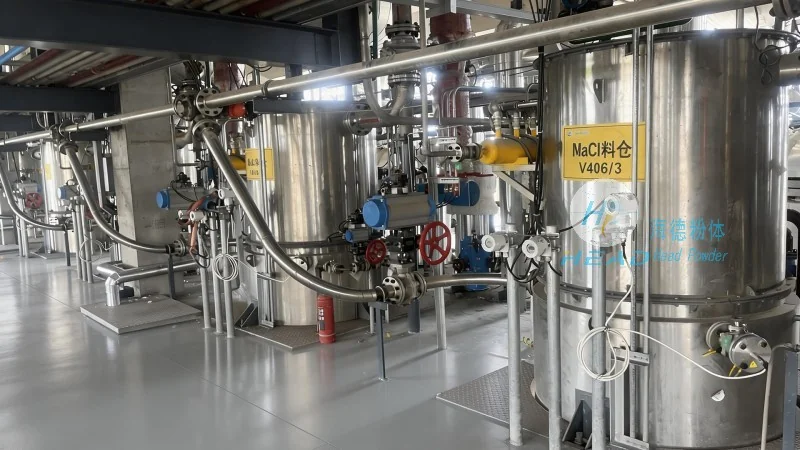
Choosing compatible materials for all system components is critical to prevent contamination and ensure long-term performance. All parts that come into contact with gelatin, including pipes, valves, and pumps, must be made from materials that are non-reactive and easy to clean. Common choices include stainless steel, food-grade plastics, and specialized coatings that resist adhesion and bacterial growth. Additionally, the selection of seals and gaskets must be made from materials that are resistant to the chemical properties of gelatin, such as natural rubber or silicone, to avoid leaks and contamination.
System Sizing and Flow Rate Optimization
Accurate system sizing is essential to achieve optimal flow rates and minimize energy consumption. The design must consider the material's bulk density, flowability, and the required conveying distance. Using computational fluid dynamics (CFD) models can help simulate the flow behavior and identify potential bottlenecks or areas of high pressure drop. Proper sizing of the air compressor, filter, and cyclone separator is also crucial to maintain consistent pressure and prevent system overload. For gelatin, which can vary in viscosity and moisture content, adjustable flow control valves and variable-speed drives are recommended to adapt to changing process conditions.
Safety and Environmental Considerations
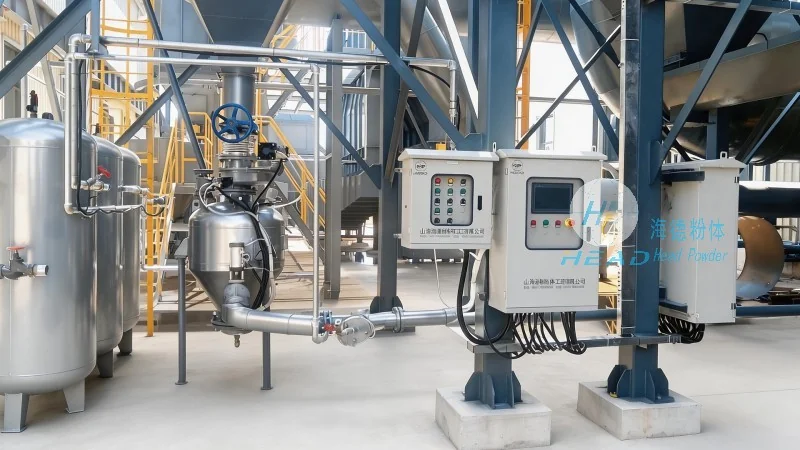
Implementing robust safety measures is a non-negotiable aspect of gelatin pneumatic conveying system design. Since gelatin is a food-grade product, the system must comply with stringent hygiene standards. This includes features like automatic shut-off valves in case of pressure spikes, emergency stop buttons, and regular cleaning protocols. Environmental considerations also play a role, as the system should minimize dust emissions and noise levels. Installing dust collection systems and using soundproof enclosures can help mitigate these issues while maintaining compliance with local regulations.
Integration with Existing Facilities
When integrating a new gelatin pneumatic conveying system into an existing facility, compatibility with the current infrastructure is vital. The system design must account for existing piping, electrical, and control systems to ensure seamless operation. This may involve customizing the system layout to fit within the available space and align with the plant's layout. Additionally, the system should be designed to allow for future expansion or modifications without major reconfigurations, providing flexibility for growing production needs.
Maintenance and Operational Efficiency
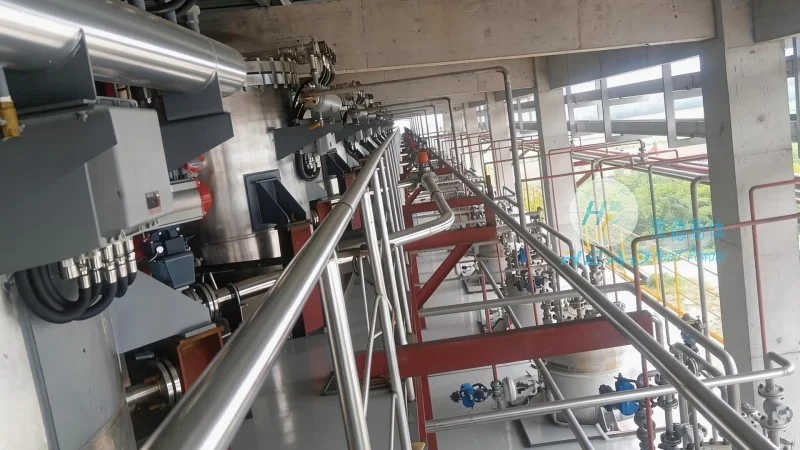
Designing for ease of maintenance is key to reducing downtime and extending the system's lifespan. Components that are easily accessible for inspection and cleaning should be prioritized. For example, using quick-release connections and removable sections in the piping allows for faster cleaning and inspection. Regular maintenance schedules, including filter replacement and equipment lubrication, should be integrated into the system design to ensure consistent performance. By focusing on operational efficiency, the system can deliver reliable performance while minimizing maintenance costs.
Case Study: Successful Implementation by Shandong HeadPowder Engineering Co., Ltd.
Shandong HeadPowder Engineering Co., Ltd., a leading provider of pneumatic conveying solutions, has successfully implemented gelatin pneumatic conveying systems for various clients. One notable project involved a food processing plant that required the efficient transfer of gelatin from storage silos to processing lines. The system designed by HeadPowder utilized low-velocity, dense-phase conveying to maintain product quality while reducing energy consumption by 20% compared to traditional high-velocity systems. The system's stainless steel construction and food-grade components ensured compliance with FDA regulations, and the integrated dust collection system minimized environmental impact. This case study highlights the importance of considering all design factors, from material compatibility to operational efficiency, to achieve a successful gelatin pneumatic conveying system.