

Design Considerations for Fermentation Curd Pneumatic Conveying System Solutions
For industrial applications in the fermentation industry, the efficient and reliable transport of fermentation curd is a critical process. The pneumatic conveying system, as a key component in material handling, plays a vital role in ensuring smooth production flow. This article provides an overview of the key design considerations for a pneumatic conveying system specifically tailored for fermentation curd, highlighting the technical aspects and practical solutions offered by Shandong HeadPowder Engineering Co., Ltd.
System Overview and Core Components
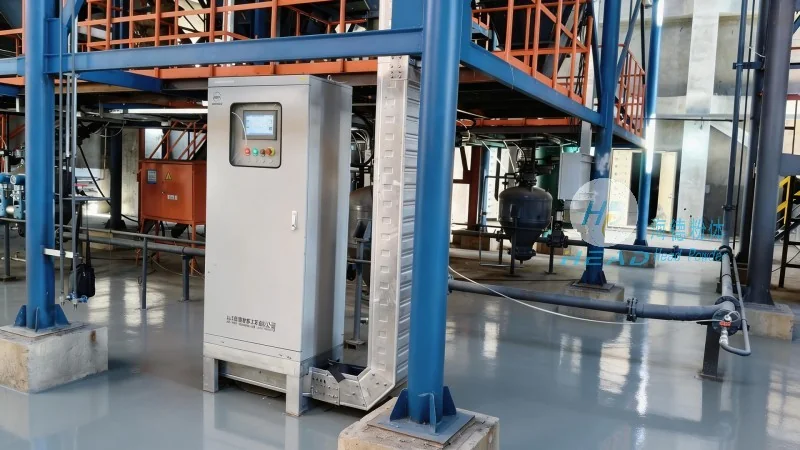
The pneumatic conveying system for fermentation curd typically consists of several essential components that work in tandem to achieve effective material transport. These include the material feeding unit, the conveying pipeline, the air supply system, and the dust collection or separation equipment. Each component must be carefully selected and integrated to meet the specific requirements of the fermentation process, such as the moisture content, particle size, and bulk density of the curd. The feeding unit, often a rotary valve or a screw feeder, ensures a consistent and controlled flow of curd into the system. The conveying pipeline, usually made of stainless steel or other corrosion-resistant materials, is designed to handle the abrasive nature of the curd while maintaining minimal pressure drop. The air supply system, which may include a blower or a positive displacement pump, provides the necessary airflow to move the material through the pipeline. Finally, the dust collection or separation equipment, such as cyclones or bag filters, helps to maintain air quality and prevent product contamination.
Design Considerations for Material Handling Efficiency
Efficiency in pneumatic conveying systems is paramount for maximizing production throughput and minimizing operational costs. Several design factors contribute to achieving optimal performance. First, the selection of the appropriate conveying velocity is crucial. Too low a velocity may result in material deposition or blockages, while too high a velocity can lead to excessive energy consumption and wear on the system components. Engineers typically use empirical formulas or computational fluid dynamics (CFD) simulations to determine the optimal velocity based on the material properties and system configuration. Second, the system's pressure drop is a key indicator of its efficiency. A lower pressure drop means less energy is required to move the material, reducing operational costs. The design of the pipeline, including the use of smooth bends and minimal fittings, is essential to minimize pressure drop. Third, the system's capacity must be matched to the production requirements. Overloading the system can cause performance issues, while underutilizing it results in unnecessary energy waste. Proper sizing of the components, such as the blower and the pipeline diameter, ensures that the system operates within its optimal range.
Material Properties and System Adaptability
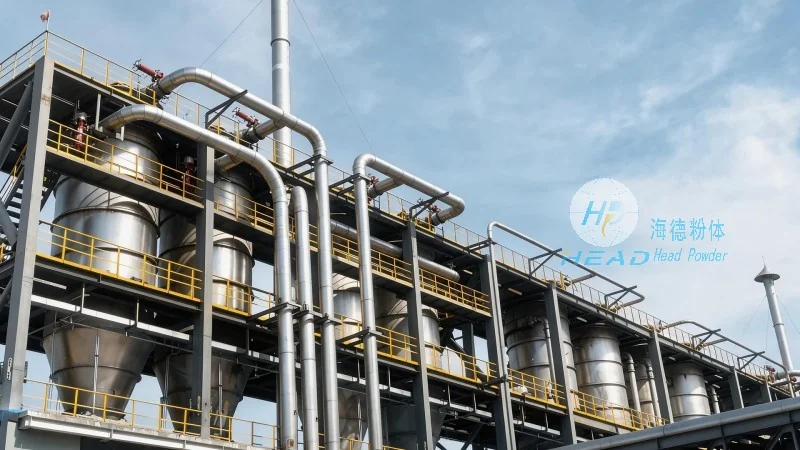
The characteristics of fermentation curd significantly influence the design of the pneumatic conveying system. Curd is typically a moist, granular material with varying particle sizes, which can affect the system's performance. The moisture content of the curd is particularly important, as high moisture levels can lead to caking or agglomeration, making it difficult to transport. The system must be designed to handle these variations, possibly incorporating features like pre-drying or moisture control mechanisms. Additionally, the particle size distribution of the curd affects the air velocity required for transport. Coarser particles may require higher velocities to prevent settling, while finer particles may need lower velocities to avoid excessive wear on the equipment. The system's adaptability to different curd types and production volumes is a critical design consideration, ensuring that the system can be scaled or modified as production needs change.
Energy Efficiency and Environmental Impact
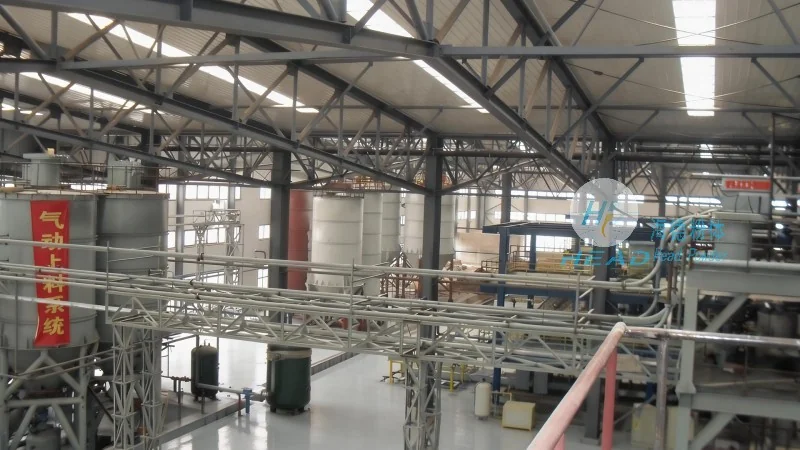
Modern pneumatic conveying systems are increasingly focused on energy efficiency and environmental sustainability. The design of the system should aim to minimize energy consumption while maintaining performance. This can be achieved through the selection of high-efficiency air supply equipment, such as variable frequency drive (VFD) controlled blowers, which adjust the airflow based on the system's demand. The use of energy-efficient materials, such as low-friction pipeline coatings, can also reduce energy losses. Furthermore, the system's environmental impact must be considered. Dust collection and filtration systems are essential to comply with environmental regulations and maintain air quality. The design should incorporate features that minimize emissions and ensure the safe handling of the curd. By focusing on energy efficiency and environmental considerations, the system not only reduces operational costs but also contributes to a more sustainable industrial operation.
Installation and Maintenance Considerations
The successful implementation of a pneumatic conveying system for fermentation curd requires careful attention to installation and maintenance. Proper installation ensures that the system operates as designed and minimizes the risk of failures. This includes ensuring that all components are properly aligned, connected, and secured. The pipeline should be installed with appropriate supports to prevent sagging and maintain the required pressure drop. The air supply system should be positioned to provide adequate airflow and minimize pressure losses. Maintenance is another critical aspect of system performance. Regular inspections and maintenance of components, such as the blower, filters, and feeding equipment, are necessary to prevent breakdowns and extend the system's lifespan. The system should be designed with easy access to components for maintenance, reducing downtime and maintenance costs. Proper training of personnel on the system's operation and maintenance is also essential to ensure the system's long-term reliability.