

Key Design Points for Dry Manure Pneumatic Conveying System Solutions
For agricultural and livestock operations, efficiently handling dry manure is crucial for maintaining hygiene, reducing labor costs, and ensuring proper waste management. A dry manure pneumatic conveying system offers an effective solution by utilizing air pressure to transport manure from collection points to storage or processing facilities. This article outlines key design considerations for such systems, focusing on the technical and practical aspects that ensure optimal performance and reliability.
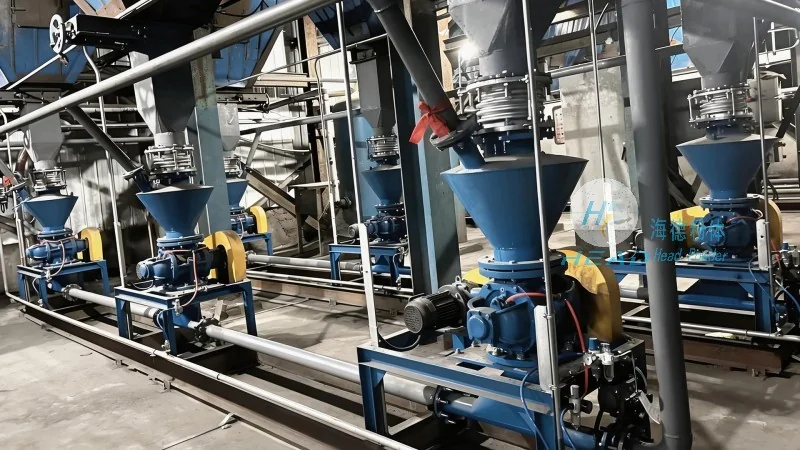
Core Components of a Dry Manure Pneumatic Conveying System
The design of a dry manure pneumatic conveying system typically involves several critical components, each playing a vital role in the overall operation. These include the manure collection hopper, which feeds the material into the system; the air compressor or blower, which generates the necessary airflow; the conveying line, often made of flexible or rigid tubing; and the discharge equipment, such as a silo or storage tank. Each component must be carefully selected and sized to match the specific characteristics of the manure, including its moisture content, particle size, and volume.
Design Considerations for System Efficiency and Reliability
Efficiency and reliability are paramount when designing a dry manure pneumatic conveying system. Key factors include the air velocity and pressure required to move the material, which directly impact energy consumption and system performance. The system must also account for the potential for clogging, especially with fibrous or high-moisture manure, and incorporate features like air filters and cleaning mechanisms to prevent blockages. Additionally, the material of construction for all components—such as the hopper, tubing, and discharge equipment—must be resistant to corrosion and wear from the manure, ensuring long-term durability.
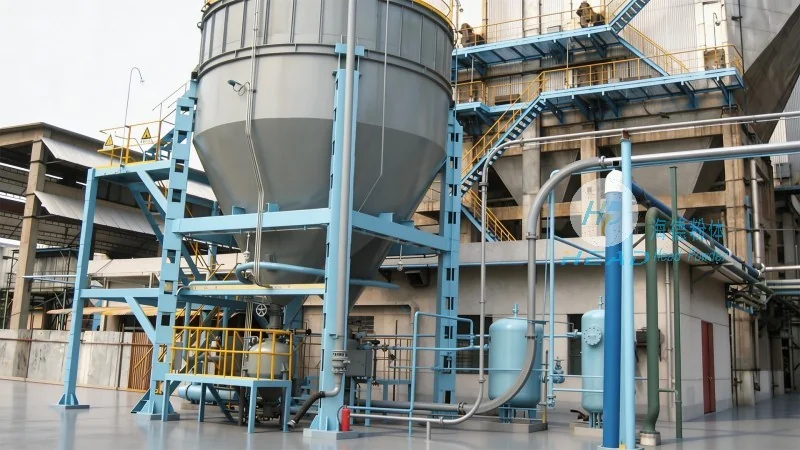
Material Handling and Flow Dynamics
Understanding the flow dynamics of dry manure is essential for system design. The system must be designed to handle the specific properties of the manure, such as its bulk density and angle of repose, to ensure consistent and smooth transport. Properly sizing the conveying line and air velocity helps maintain a stable flow, preventing segregation or uneven distribution of the material. In some cases, additional equipment like rotary valves or feeders may be required to regulate the flow rate and prevent overloading the system.
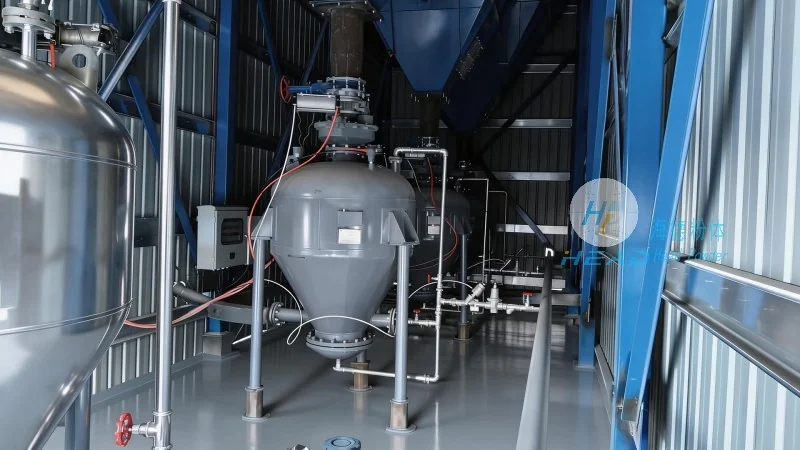
Environmental and Operational Considerations
Environmental compliance and operational safety are also critical design aspects. The system should be designed to minimize dust emissions and odors, which can be a concern in agricultural settings. This may involve incorporating dust collection systems or using enclosed conveying lines. Additionally, the system must be easy to operate and maintain, with accessible components that allow for routine checks and repairs. Proper training for operators is essential to ensure the system is used correctly and to maximize its lifespan.
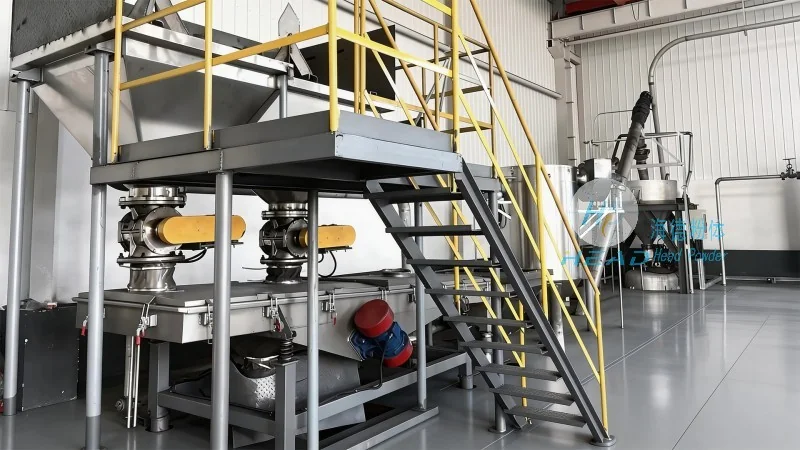
Customization and Scalability
Every dry manure pneumatic conveying system is unique, as it must be tailored to the specific needs of the operation. The design process should involve a thorough assessment of the site, including the layout of the farm, the location of collection points, and the distance to the storage facility. This allows for the creation of a customized system that optimizes performance and minimizes costs. Furthermore, the system should be scalable, allowing for future expansion as the operation grows or additional facilities are added.
Conclusion: Optimizing Dry Manure Management with Professional Design
Designing a dry manure pneumatic conveying system requires careful consideration of technical, operational, and environmental factors. By addressing these aspects, operators can achieve efficient, reliable, and cost-effective manure handling. For those seeking expert guidance in designing such systems, Shandong HeadPowder Engineering Co., Ltd. (headpowder) offers comprehensive solutions tailored to the specific needs of agricultural and livestock operations. With a focus on quality and performance, headpowder provides systems that enhance productivity while maintaining environmental standards.