

Fireproof Material Pneumatic Conveying Technology: In-Depth Analysis and Application of Negative Pre
HeadPowder, a leading provider of specialized engineering solutions, specializes in the design and implementation of pneumatic conveying systems tailored for refractory materials. This article delves into the fundamental principles of both negative pressure and positive pressure pneumatic conveying, offering a comprehensive overview of their applications, advantages, and practical considerations in industrial settings.
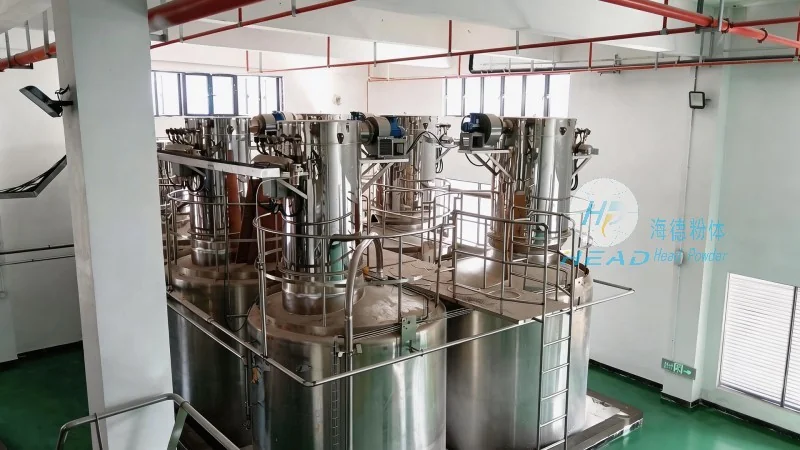
Company Overview: Shandong HeadPowder Engineering Co., Ltd.
HeadPowder, with its headquarters in Shandong, China, is dedicated to delivering high-quality engineering solutions for material handling in various industrial sectors. The company’s expertise in pneumatic conveying technology, particularly for refractory materials, has established it as a trusted partner for businesses seeking efficient and reliable material transport solutions. With a focus on innovation and customer-centric approaches, HeadPowder provides tailored systems that meet the unique demands of each project, ensuring optimal performance and long-term value.
Negative Pressure Pneumatic Conveying: Principles and Applications
Negative pressure, or suction, pneumatic conveying systems operate by creating a vacuum at the material inlet to draw particles into the conveying line. This method is particularly effective for handling fine powders and granules, as it minimizes product degradation and ensures a gentle handling process. The system typically consists of a suction hopper, a filter or cyclone separator, and a vacuum pump. The vacuum pump creates the negative pressure, drawing material from the source into the conveying line and transporting it to the destination. HeadPowder’s expertise in negative pressure systems allows for efficient handling of refractory materials, which are often sensitive to mechanical stress and temperature variations. The company’s engineers design customized suction systems that optimize material flow, reduce dust emissions, and maintain product integrity throughout the conveying process.
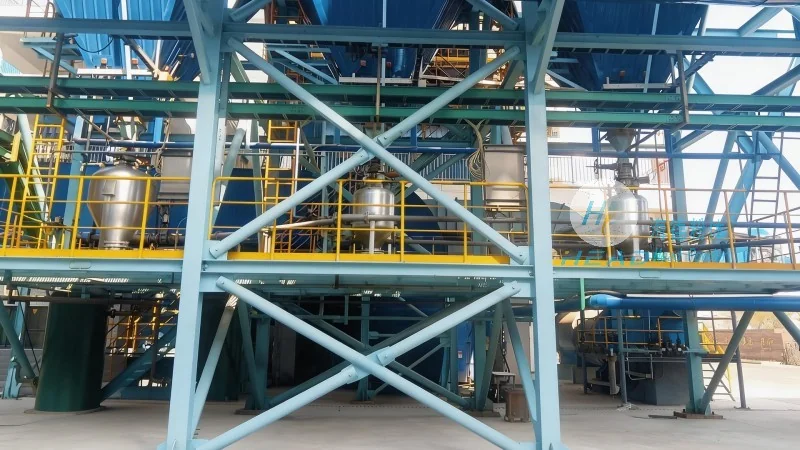
Positive Pressure Pneumatic Conveying: Principles and Applications
Positive pressure, or pressure, pneumatic conveying systems generate pressure within the conveying line to push material from the source to the destination. This method is suitable for a wide range of materials, including bulk solids and larger particles, and is often preferred for applications requiring high throughput and reliable material transport. The system includes a pressure vessel, a blower or compressor, and a discharge hopper. The blower supplies compressed air, which forces material through the conveying line. HeadPowder’s positive pressure systems are engineered to handle refractory materials with high efficiency, ensuring consistent flow rates and minimal blockages. The company’s solutions are designed to accommodate various material characteristics, such as particle size, density, and moisture content, providing flexible and robust conveying options for industrial clients.
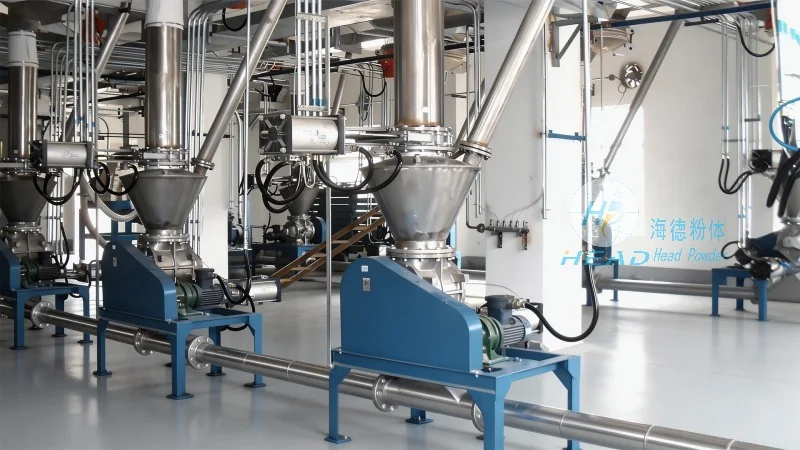
Comparative Analysis: Negative vs. Positive Pressure Pneumatic Conveying
When selecting a pneumatic conveying system for refractory materials, understanding the differences between negative and positive pressure methods is crucial. Negative pressure systems are generally more suitable for fine powders and require lower air velocities, reducing energy consumption and minimizing wear on equipment. However, they may have limitations in handling larger particles or high-volume flows. Positive pressure systems, on the other hand, are better suited for bulk materials and can handle higher flow rates, making them ideal for large-scale production environments. HeadPowder’s engineers evaluate the specific requirements of each project, considering factors such as material properties, conveying distance, and operational constraints to recommend the most appropriate system. This tailored approach ensures optimal performance and cost-effectiveness for clients in the refractory industry.
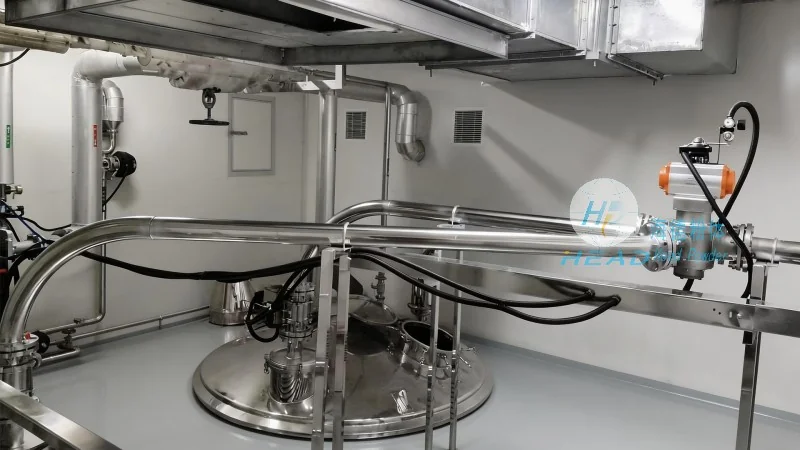
Applications in Refractory Manufacturing and Processing
Refractory materials, such as alumina, silica, and magnesia, are critical components in high-temperature applications, including steelmaking, glass production, and ceramics. The efficient handling of these materials is essential for maintaining production efficiency and product quality. HeadPowder’s pneumatic conveying solutions are widely used in refractory manufacturing plants to transport raw materials from storage to processing equipment, and to move finished products to storage or packaging areas. The company’s systems are designed to handle the abrasive and heat-resistant nature of refractory materials, ensuring long service life and minimal maintenance. For example, in a steel plant, negative pressure systems may be used to convey fine alumina powders from silos to mixing equipment, while positive pressure systems transport larger refractory bricks from production lines to storage silos. These applications demonstrate the versatility and reliability of HeadPowder’s pneumatic conveying technology in supporting the refractory industry’s operational needs.
Customized System Design and Engineering Services
HeadPowder provides comprehensive engineering services to design and implement customized pneumatic conveying systems for refractory materials. The company’s team of experienced engineers works closely with clients to understand their specific requirements, including material characteristics, production capacity, and operational environment. Through detailed analysis and simulation, the engineers design systems that optimize material flow, energy efficiency, and equipment lifespan. The design process includes selecting appropriate components, such as air filters, cyclones, and pumps, and configuring the system layout to minimize material handling time and costs. HeadPowder’s commitment to quality and innovation ensures that each system is tailored to meet the unique needs of the client, providing a reliable and efficient solution for refractory material transportation. The company’s engineering services also include installation, commissioning, and maintenance support, ensuring that the system operates at peak performance throughout its lifecycle.