

Classification and Composition of Stearic Acid Sodium Pneumatic Conveying Systems
Stearic acid sodium, a key chemical compound widely used in various industrial applications, often requires efficient and reliable transportation methods. Pneumatic conveying systems have emerged as a preferred solution for handling such materials due to their ability to transport powders and granules over long distances with minimal environmental impact. This article provides an overview of the classification and essential components of stearic acid sodium pneumatic conveying systems, highlighting the technological advancements and practical applications in industrial settings.
Classification of Pneumatic Conveying Systems for Stearic Acid Sodium
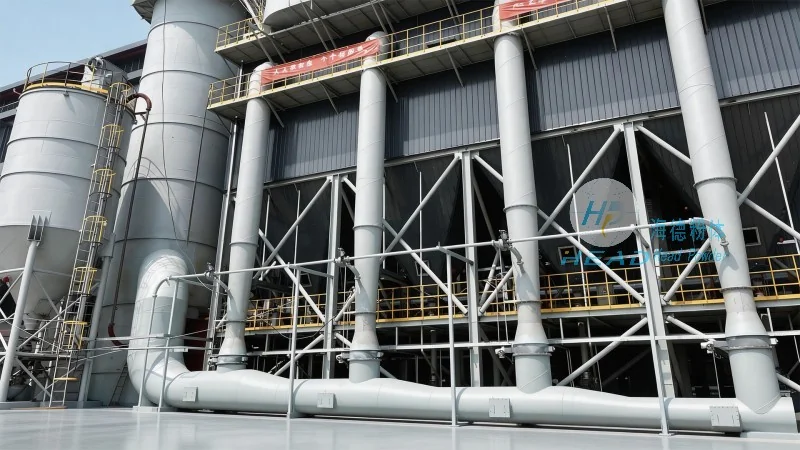
Stearic acid sodium pneumatic conveying systems can be broadly classified based on the conveying principle and operational characteristics. The primary categories include pressure systems, vacuum systems, and mixed systems. Pressure systems utilize compressed air or gas to push the material through a pipeline, making them suitable for short to medium distances and high flow rates. Vacuum systems, on the other hand, employ a vacuum to draw material from a hopper or storage tank, ideal for long-distance or low-flow applications. Mixed systems combine elements of both pressure and vacuum, offering flexibility in handling diverse material properties and operational requirements. Each classification has specific advantages and limitations, which are crucial for selecting the appropriate system based on the application's needs.
Key Components of Stearic Acid Sodium Pneumatic Conveying Systems
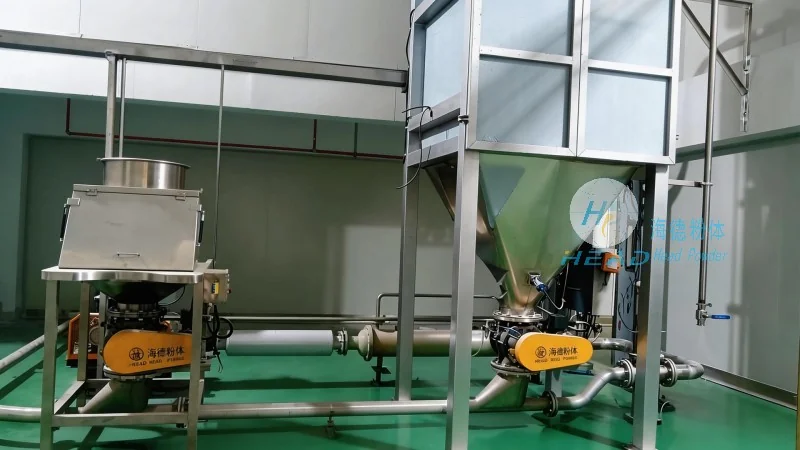
The effectiveness of a stearic acid sodium pneumatic conveying system depends on its integrated components, each playing a vital role in the material transport process. The main components include the material feed hopper, which stores and regulates the flow of stearic acid sodium; the air compressor or vacuum pump, responsible for generating the necessary pressure or vacuum; the conveying pipeline, which transports the material and air mixture; the separation equipment, such as cyclones or filters, used to separate the material from the air; and the control system, which monitors and adjusts the operational parameters to ensure optimal performance. Additionally, accessories like check valves, flow meters, and pressure regulators are essential for maintaining system efficiency and preventing blockages or pressure fluctuations.
Application-Specific Considerations for Stearic Acid Sodium Conveying
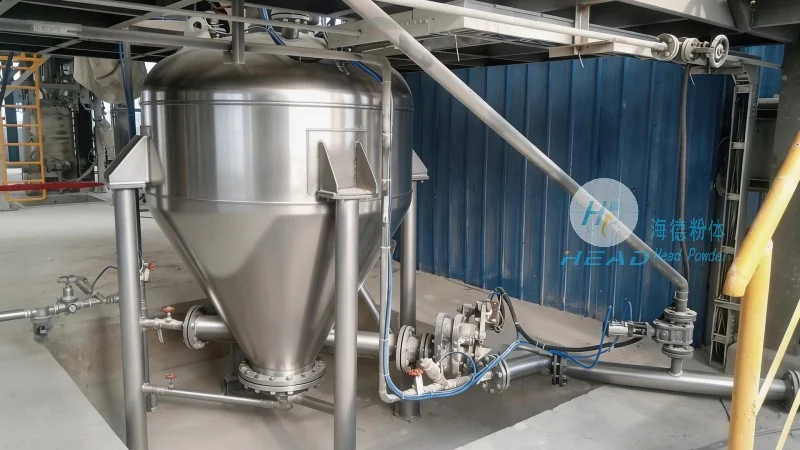
The choice of pneumatic conveying system for stearic acid sodium is influenced by several factors, including material characteristics, process requirements, and environmental considerations. Stearic acid sodium is typically a fine powder or granule with specific density and flow properties, which affect the selection of conveying velocity and system design. For example, high-density materials may require higher air velocities to prevent settling or bridging in the pipeline. Process requirements, such as the need for continuous or batch operation, also impact the system configuration. Environmental factors, like the need to minimize dust emissions or comply with regulatory standards, may necessitate the use of enclosed systems or additional filtration. Understanding these factors is essential for designing a system that maximizes efficiency while meeting operational and safety requirements.
Advantages of Using Pneumatic Conveying for Stearic Acid Sodium
Pneumatic conveying systems offer several advantages when handling stearic acid sodium compared to traditional methods like bucket elevators or belt conveyors. One of the key benefits is the ability to transport materials in a closed system, reducing dust exposure and improving workplace safety. This is particularly important for stearic acid sodium, which can be a respiratory irritant if inhaled. Additionally, pneumatic systems can handle a wide range of material sizes and shapes, from fine powders to coarse granules, without the need for pre-processing or conditioning. The systems are also relatively compact and can be installed in confined spaces, making them suitable for facilities with limited floor space. Furthermore, pneumatic conveying allows for precise control over material flow rates and can be integrated with other process equipment, enhancing overall system efficiency and automation.
Conclusion and Company Overview
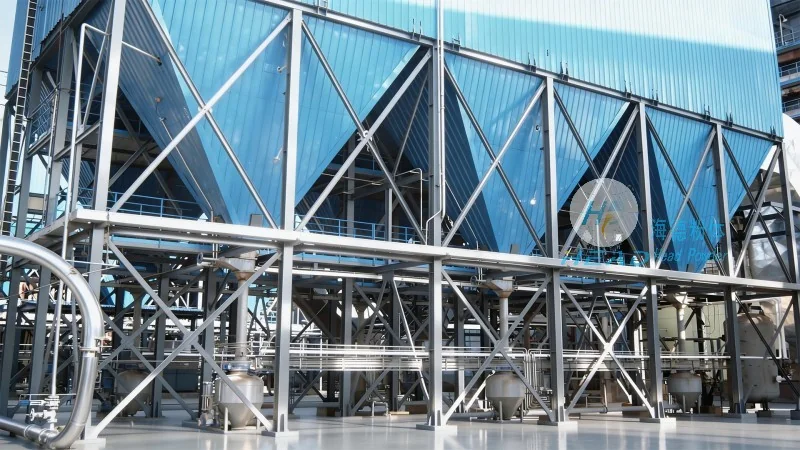
Stearic acid sodium pneumatic conveying systems are critical for the efficient and safe handling of this important chemical compound. By understanding the classification and key components of these systems, industrial facilities can select the most appropriate solution for their specific needs. The technology continues to evolve, with advancements in materials, control systems, and energy efficiency, further improving the performance and reliability of pneumatic conveying. As a leading provider in the field, Shandong HeadPowder Engineering Co., Ltd. specializes in designing and manufacturing customized pneumatic conveying solutions tailored to the unique requirements of stearic acid sodium applications. With a commitment to quality and innovation, the company ensures that its systems meet the highest standards of performance and safety, supporting the efficient operation of industrial processes worldwide.