

Design of a BaCO3 Pneumatic Conveying System
For industrial applications requiring the efficient and reliable transport of barium carbonate (BaCO3), the design of a specialized pneumatic conveying system is crucial. This system, developed by Shandong HeadPowder Engineering Co., Ltd., addresses the unique challenges associated with handling fine powders and ensuring consistent material flow. The solution integrates advanced engineering principles to optimize performance, safety, and operational efficiency in various processing environments.
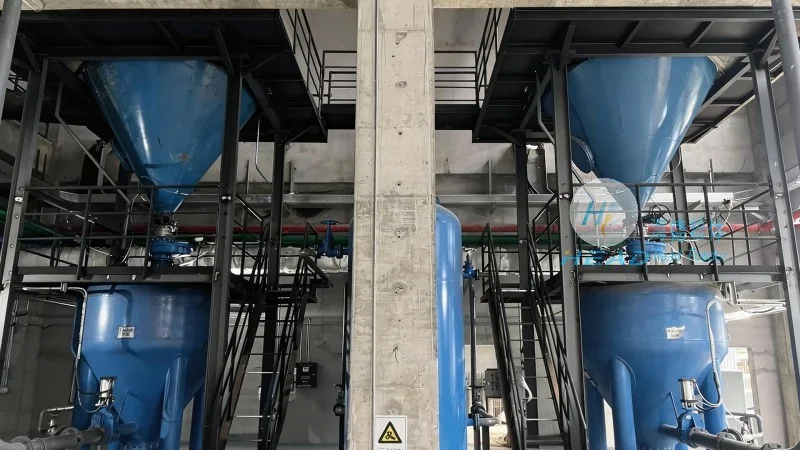
Key Components and Design Features
The BaCO3 pneumatic conveying system is engineered with precision, incorporating several critical components that work in tandem to achieve seamless material transport. At its core is a high-capacity air compressor that generates the necessary pressure to move the powder through the system. The system utilizes a combination of positive and negative pressure zones to control the flow direction and prevent material backflow. Key design features include a robust hopper with a built-in level indicator, ensuring accurate material measurement and preventing overfilling. The conveying line is constructed from corrosion-resistant materials, such as stainless steel, to withstand the chemical properties of barium carbonate and maintain long-term durability. Additionally, the system incorporates a filtration and dust collection unit to comply with environmental regulations and protect personnel from airborne particles.
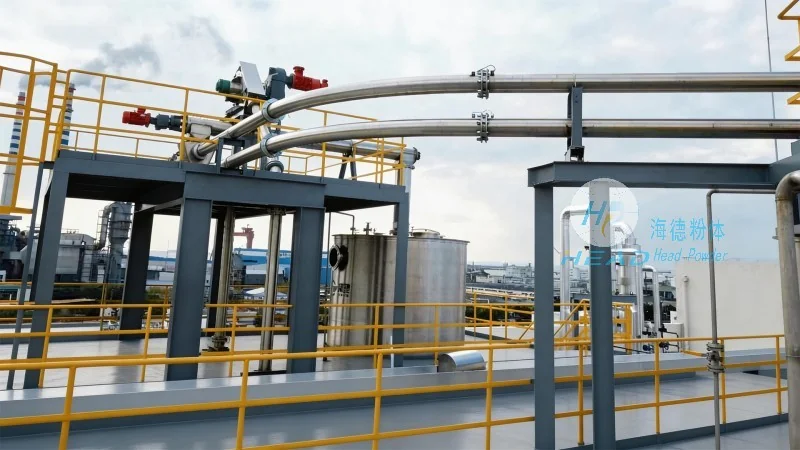
Operational Advantages and Performance Metrics
One of the primary advantages of this pneumatic conveying system is its ability to handle fine barium carbonate powders without the need for mechanical conveyors, which can cause product degradation or contamination. The system operates at controlled air velocities, minimizing particle attrition and preserving the material's integrity. Performance metrics indicate that the system can achieve conveying rates of up to 10-20 tons per hour depending on the system configuration and material characteristics. The design also incorporates energy-efficient components, reducing operational costs while maintaining high throughput. Furthermore, the system's modular design allows for easy integration with existing production lines, enabling companies to upgrade their material handling capabilities without extensive modifications.
Application Scenarios and Industry Use Cases
The BaCO3 pneumatic conveying system is widely used in industries where barium carbonate is a key raw material, such as the production of pigments, ceramics, and pharmaceuticals. In pigment manufacturing, the system ensures consistent coloration by delivering fine BaCO3 powders to mixing and grinding equipment. In ceramic production, the system aids in the uniform distribution of barium carbonate in glazes and body formulations, enhancing product quality and consistency. The system's reliability and precision make it an ideal choice for pharmaceutical applications, where contamination control and precise dosing are critical. Additionally, the system is suitable for small to medium-scale production facilities, providing a cost-effective solution for companies looking to improve their material handling processes.
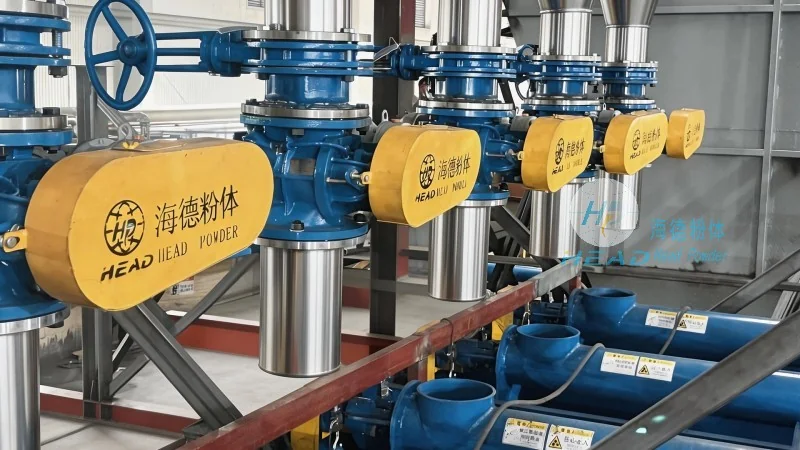
Company Background and Expertise
Shandong HeadPowder Engineering Co., Ltd., commonly known as HeadPowder, is a leading provider of engineering solutions for powder handling and material transport. With years of experience in the industry, the company specializes in designing and manufacturing customized pneumatic conveying systems tailored to the specific needs of its clients. HeadPowder's team of engineers and technicians leverages advanced technology and industry best practices to develop solutions that meet or exceed customer expectations. The company's commitment to quality and innovation has earned it a reputation as a trusted partner in the chemical and manufacturing sectors. HeadPowder's headquarters is located in Shandong, China, where the company maintains state-of-the-art manufacturing facilities and research and development centers.