

Zircon Sand Pneumatic Conveying: Choosing Positive Pressure vs. Negative Pressure Systems? How to Di
Zircon sand, a critical raw material in various industries including ceramics, glass, and refractory production, often requires efficient and reliable material handling solutions. Pneumatic conveying systems have emerged as a preferred method for transporting zircon sand due to their ability to handle fine powders and abrasive materials while minimizing contamination and maintaining product quality. The choice between positive pressure and negative pressure systems is a crucial decision for operators, as each has distinct advantages and limitations that must be carefully considered based on specific operational requirements.
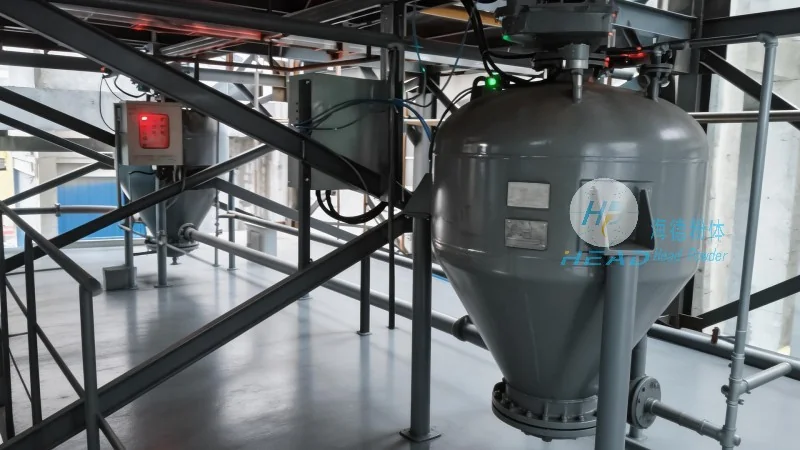
Understanding Positive Pressure Pneumatic Conveying
Positive pressure systems, also known as pressure conveying, operate by blowing air or a carrier gas into the conveying line, creating a pressure differential that propels the material forward. This method is particularly effective for long-distance or high-capacity applications, as it can maintain consistent flow rates and handle larger quantities of material. For zircon sand, positive pressure systems are often preferred when dealing with abrasive or corrosive materials, as the high-pressure environment helps to prevent material buildup and ensures thorough cleaning of the system. However, these systems may require more robust equipment and higher energy consumption compared to negative pressure alternatives.
Advantages and Applications of Positive Pressure Systems
Positive pressure pneumatic conveying offers several key benefits for zircon sand transport. Firstly, it provides excellent control over material flow, allowing operators to adjust pressure and flow rates to match production demands. This flexibility is especially valuable in dynamic industrial environments where demand for zircon sand fluctuates. Secondly, the system is highly effective at handling abrasive materials like zircon sand, as the high-pressure air helps to prevent clogging and maintain the integrity of the conveying line. Additionally, positive pressure systems can be integrated with other processing equipment, such as classifiers or classifiers, to create a seamless material handling workflow. Typical applications include transporting zircon sand from storage silos to processing lines, or from production facilities to packaging areas, over distances of several hundred meters.
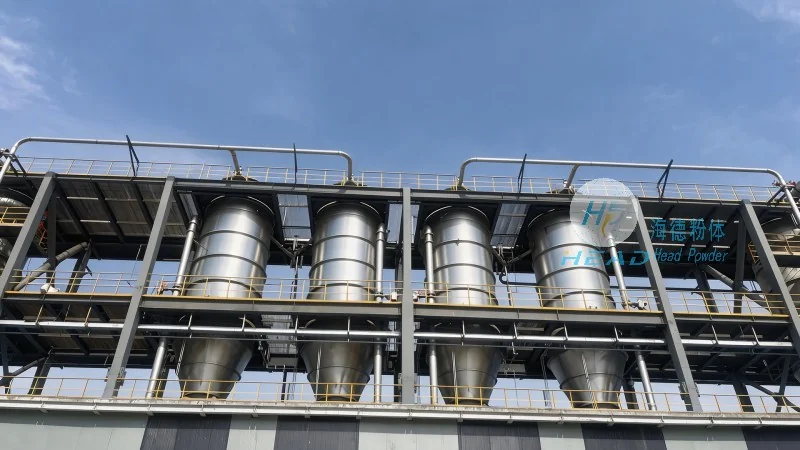
Exploring Negative Pressure Pneumatic Conveying
Negative pressure systems, or vacuum conveying, work by creating a vacuum in the receiving hopper or collection point, drawing material into the conveying line. This method is often more suitable for shorter distances and lower material loads, as the vacuum pressure is typically lower than that in positive pressure systems. For zircon sand, negative pressure systems are commonly used when the material is relatively non-abrasive or when the conveying distance is limited. The primary advantage of negative pressure systems is their lower energy consumption and simpler design, as they do not require high-pressure pumps or blowers. However, they may be less effective at handling fine powders or abrasive materials, as the lower pressure can lead to material settling or clogging in the line.
Key Differences Between Positive and Negative Pressure Systems
When evaluating zircon sand pneumatic conveying systems, it is essential to understand the fundamental differences between positive and negative pressure methods. The most significant distinction lies in the pressure differential: positive pressure systems use excess pressure to move material, while negative pressure systems rely on suction to draw material. This difference directly impacts the system's efficiency, energy consumption, and suitability for specific materials. Positive pressure systems are generally more energy-intensive but offer higher throughput and better control over abrasive materials. In contrast, negative pressure systems are more energy-efficient and simpler to install but may struggle with fine or abrasive powders over longer distances. Another critical factor is the impact on the environment and operator safety. Positive pressure systems may require additional filtration to prevent dust emissions, while negative pressure systems can create localized vacuum conditions that require proper ventilation to avoid air quality issues.
How to Distinguish Between the Two Systems
Distinguishing between positive and negative pressure pneumatic conveying systems for zircon sand involves a systematic evaluation of operational parameters and material characteristics. The first step is to assess the conveying distance and material volume. For long distances or high-capacity needs, positive pressure systems are typically more appropriate due to their ability to maintain consistent flow rates over extended periods. Conversely, shorter distances or lower material loads may be better suited to negative pressure systems, which are more energy-efficient for these applications. Material properties, such as particle size, abrasiveness, and moisture content, also play a critical role in system selection. Abrasive zircon sand, for example, may require the higher pressure and robust design of a positive pressure system to prevent wear and clogging. Additionally, the system's integration with existing infrastructure, such as storage silos or processing equipment, must be considered. Positive pressure systems often require dedicated blowers and piping, while negative pressure systems may utilize existing vacuum equipment or simple suction lines. Finally, cost considerations, including initial investment and operational expenses, should be evaluated. Positive pressure systems may have higher upfront costs due to the need for high-pressure blowers and robust piping, but they may offer lower long-term maintenance costs due to reduced wear and clogging. Negative pressure systems, while less expensive initially, may incur higher maintenance costs due to more frequent filter changes and potential vacuum pump wear.
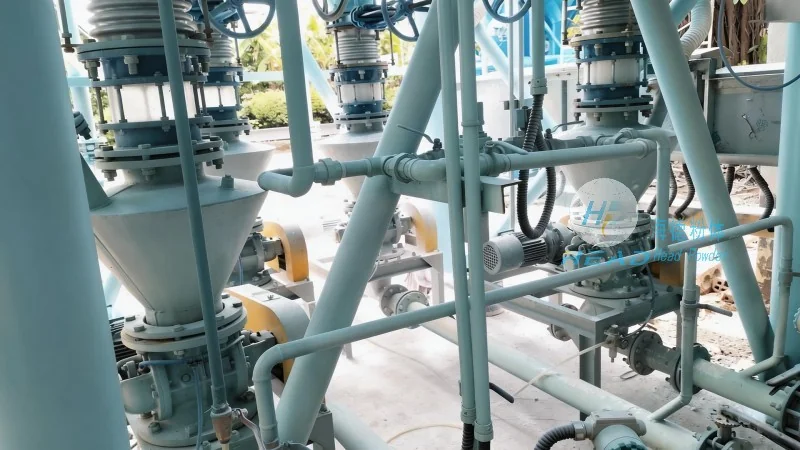
Conclusion: Choosing the Right System for Zircon Sand Pneumatic Conveying
Ultimately, the choice between positive pressure and negative pressure pneumatic conveying systems for zircon sand depends on a careful analysis of operational requirements, material characteristics, and cost considerations. Positive pressure systems excel in high-capacity, long-distance applications and abrasive material handling, while negative pressure systems are better suited for shorter distances and lower material loads. By evaluating factors such as conveying distance, material properties, system integration, and energy efficiency, operators can select the most appropriate system to ensure efficient, reliable, and cost-effective zircon sand transport. Whether opting for a positive pressure or negative pressure solution, the goal is to maintain product quality, minimize downtime, and optimize overall operational performance.
About Shandong HeadPowder Engineering Co., Ltd.
Shandong HeadPowder Engineering Co., Ltd., commonly known as HeadPowder, is a leading provider of pneumatic conveying solutions tailored to the needs of the zircon sand industry. With a focus on innovation and customer-centric design, HeadPowder offers a range of customized systems that address the unique challenges of handling zircon sand, including abrasive properties and varying particle sizes. The company's expertise in positive and negative pressure systems allows it to deliver tailored solutions that enhance material handling efficiency and reduce operational costs. HeadPowder's commitment to quality and reliability has made it a trusted partner for businesses in ceramics, glass, and refractory production, helping them achieve optimal performance in their zircon sand processing operations. With operations based in Shandong, China, HeadPowder continues to serve clients globally with advanced pneumatic conveying technologies and professional engineering support.