

Choosing Between Positive Pressure and Negative Pressure for Pearl Sand Pneumatic Conveying? How to
When it comes to the pneumatic conveying of pearl sand, selecting the right system is crucial for efficiency, cost-effectiveness, and operational safety. Two primary methods are widely used: positive pressure and negative pressure systems. Understanding the differences between these two approaches is essential for making an informed decision. This article, presented by Shandong HeadPowder Engineering Co., Ltd. (HeadPowder), will explore the key aspects of positive pressure and negative pressure pneumatic conveying for pearl sand, helping you determine which system is best suited for your specific needs.
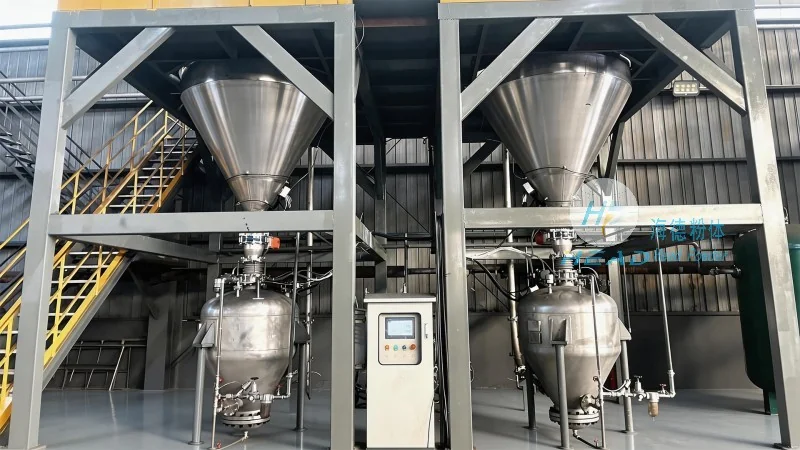
Introduction to Pneumatic Conveying Systems
Pneumatic conveying is a method of transporting bulk materials like pearl sand through a pipeline using air or gas as the conveying medium. It offers advantages such as reduced dust, improved safety, and the ability to transport materials over long distances without the need for mechanical components like belts or buckets. The choice between positive pressure and negative pressure systems depends on factors including material properties, distance, cost, and environmental considerations.
Positive Pressure Pneumatic Conveying
Positive pressure systems operate by blowing air or gas into the conveying line, creating a pressure higher than the ambient air pressure. The material is drawn into the pipeline as the air flows through it. This method is particularly effective for transporting materials over long distances or through complex piping networks. The high pressure ensures that the material is consistently conveyed without clogging or blockages. For pearl sand, which can be fine and abrasive, positive pressure systems often provide better control and less wear on the equipment. The continuous flow of air also helps in maintaining the material's quality by preventing it from settling or clumping.

Negative Pressure Pneumatic Conveying
Negative pressure systems, also known as vacuum systems, work by creating a vacuum in the conveying line, which draws the material into the pipeline. The air is then drawn out of the system, carrying the material with it. This method is generally more suitable for shorter distances and less complex layouts. It is often used in applications where the material needs to be collected from multiple points and transported to a central location. Negative pressure systems are also beneficial when the material is sensitive to high pressure or when the environment requires minimal air emissions. However, they may be less efficient for long-distance transport and can be more prone to clogging if the material is too fine or has high moisture content.
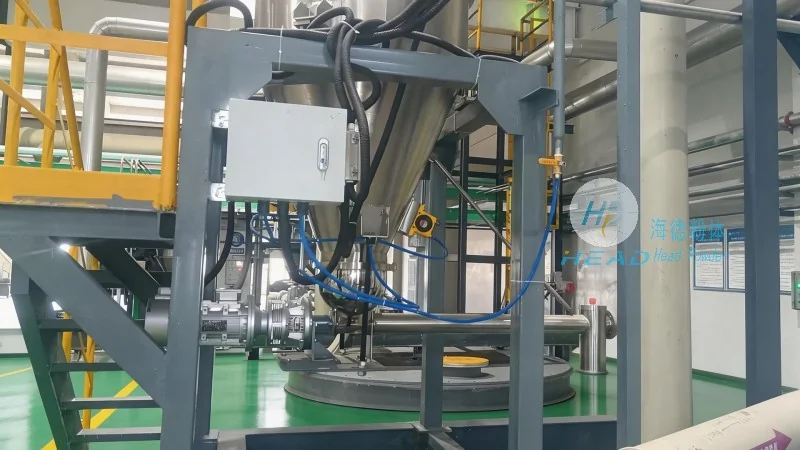
Distinguishing Between the Two Systems
Several factors can help in distinguishing between positive and negative pressure systems for pearl sand pneumatic conveying. First, consider the distance and layout of the conveying line. Positive pressure systems are ideal for long distances and complex networks, while negative pressure is better for shorter, simpler setups. Second, evaluate the material properties. Fine or abrasive materials like pearl sand may perform better with positive pressure due to its higher pressure and better control. Third, assess the environmental and safety requirements. Positive pressure systems may be preferred in environments where dust control is critical, as the air is contained within the system. Fourth, consider the cost implications. Positive pressure systems often require more powerful fans and higher air pressure, which can increase initial and operational costs compared to negative pressure systems.
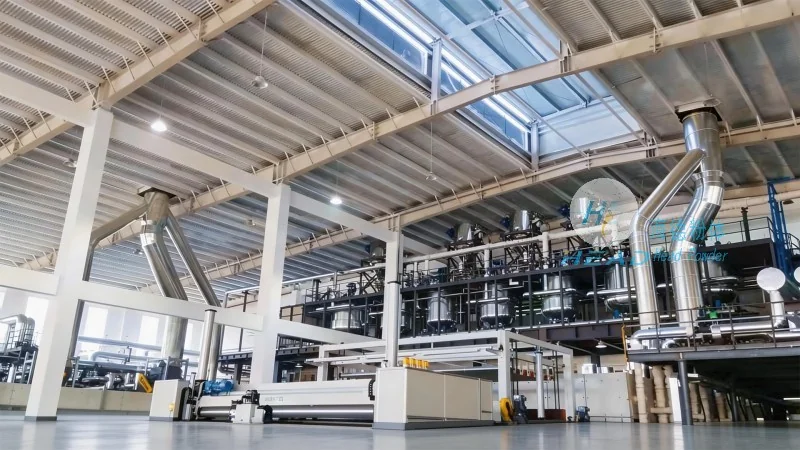
Application Considerations for Pearl Sand
For pearl sand, which is often used in industries such as cosmetics, ceramics, and pharmaceuticals, the choice of pneumatic conveying system can impact product quality and consistency. Positive pressure systems are commonly used in these industries because they provide a more controlled environment, reducing the risk of contamination and ensuring the material remains in its original state. The high pressure also helps in maintaining the particle size distribution, which is crucial for applications where the sand's texture and appearance are important. Negative pressure systems may be used in less critical applications or for short-distance transport within a facility, but they may not offer the same level of control and quality assurance as positive pressure systems.
Conclusion
Choosing between positive pressure and negative pressure pneumatic conveying for pearl sand depends on a variety of factors, including distance, material properties, cost, and operational requirements. Positive pressure systems are generally more suitable for long-distance and complex applications, offering better control and efficiency. Negative pressure systems are better for shorter distances and simpler setups, though they may be less efficient for fine or abrasive materials. By carefully evaluating these factors, you can select the most appropriate pneumatic conveying system for your pearl sand application, ensuring optimal performance and cost-effectiveness.