

Choosing Between Positive Pressure and Negative Pressure for Phosphate Calcium Pneumatic Conveying:
When it comes to transporting phosphate calcium materials via pneumatic conveying systems, the choice between positive pressure and negative pressure methods is a critical decision for industrial operations. Understanding the fundamental differences and operational characteristics of each system is essential for selecting the most suitable solution for specific applications. This article aims to provide a comprehensive overview of the key factors to consider when choosing between positive pressure and negative pressure for phosphate calcium pneumatic conveying, along with practical guidance on how to distinguish between the two approaches.
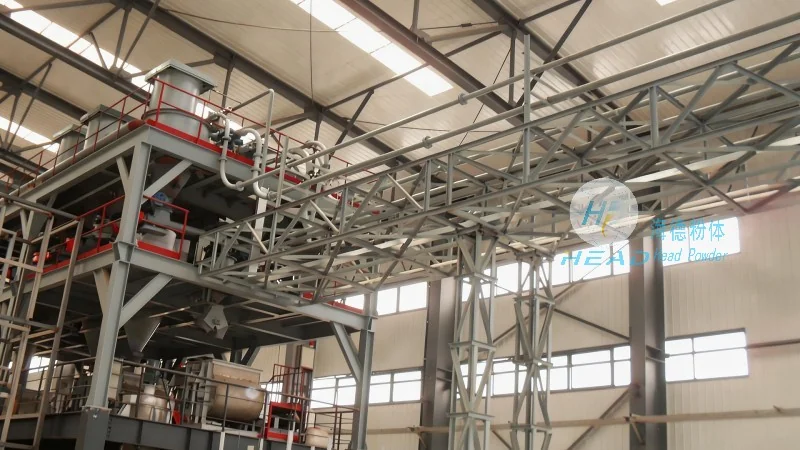
Understanding Pneumatic Conveying Systems
Pneumatic conveying systems are widely used in the chemical, food, and pharmaceutical industries for transporting bulk materials like phosphate calcium. These systems utilize air or other gases to move materials through a pipeline network. The primary distinction lies in the pressure differential between the conveying line and the surrounding environment. Positive pressure systems operate with higher pressure inside the pipeline compared to the ambient air, while negative pressure systems operate with lower pressure inside the pipeline compared to the ambient air.
Differentiating Positive Pressure and Negative Pressure Conveying
Positive pressure conveying systems are characterized by their ability to generate and maintain higher pressure within the conveying line. This is typically achieved using a positive displacement blower or a rotary lobe blower that forces air into the system. The high-pressure air then propels the phosphate calcium particles through the pipeline. This method is often preferred for applications requiring high material throughput, long-distance transport, or when handling abrasive or sensitive materials that could be damaged by negative pressure systems.
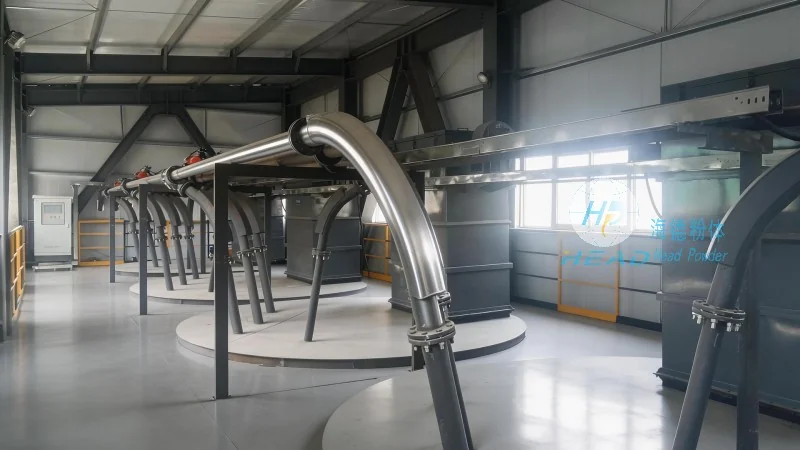
Negative pressure conveying systems, on the other hand, operate by creating a vacuum or lower pressure inside the pipeline compared to the ambient air. This is typically achieved using a fan or an eductor that draws air and material into the system. The material is then carried by the airflow through the pipeline. Negative pressure systems are generally more suitable for applications where the material is to be collected from a source and transported to a destination without the need for high pressure or where the system is located in an enclosed area to prevent dust emissions.
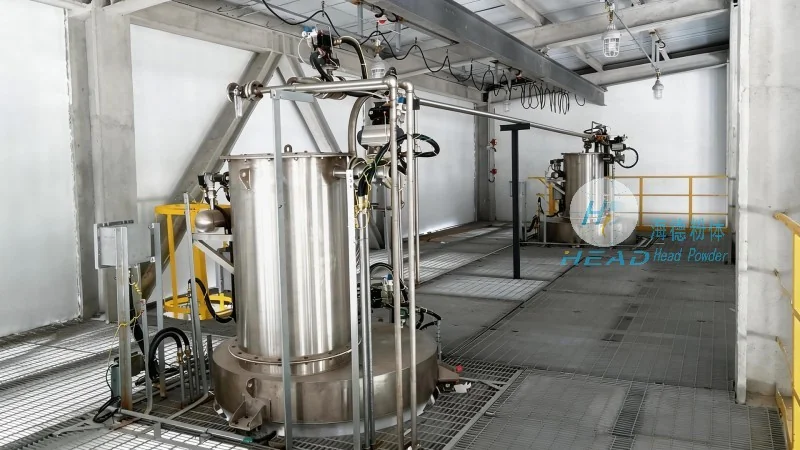
Key Factors to Consider for Phosphate Calcium Applications
When selecting between positive and negative pressure for phosphate calcium pneumatic conveying, several key factors must be evaluated. These include the material's physical properties, such as particle size, density, and moisture content, as well as the distance and layout of the conveying system. The required material flow rate and the presence of any obstacles or changes in elevation also play a significant role. Additionally, the environmental considerations, such as the need to control dust emissions or comply with local regulations, can influence the choice of system.
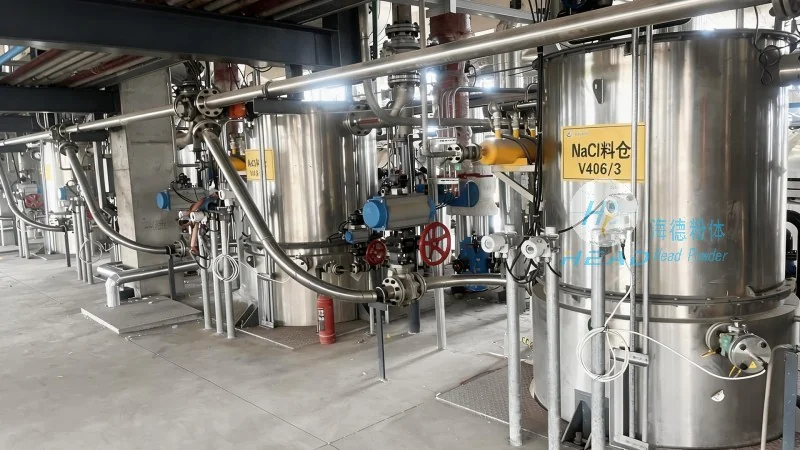
Practical Guidance for Distinguishing Between Systems
One of the most effective ways to distinguish between positive and negative pressure pneumatic conveying systems is to evaluate the system's pressure profile. Positive pressure systems will show higher pressure readings inside the pipeline, often above atmospheric pressure, while negative pressure systems will show lower pressure readings, typically below atmospheric pressure. Another practical approach is to observe the system's operation. In positive pressure systems, the air is forced out of the pipeline, and the material is carried along with it. In negative pressure systems, the air is drawn into the pipeline, and the material is pulled along with the airflow.
About Shandong HeadPowder Engineering Co., Ltd.
Shandong HeadPowder Engineering Co., Ltd., commonly known as HeadPowder, is a leading provider of pneumatic conveying solutions tailored for the phosphate calcium industry. With a strong commitment to quality and innovation, HeadPowder offers comprehensive engineering services, including system design, installation, and maintenance for both positive and negative pressure conveying systems. The company's headquarters is located in Shandong, China, where it leverages advanced technology and industry expertise to deliver reliable and efficient solutions for its clients. By understanding the specific needs of each application, HeadPowder helps industrial operations optimize their material handling processes and improve overall productivity.