

Lithium Manganese Dioxide Pneumatic Conveying: Positive Pressure vs. Negative Pressure - How to Dist
Lithium manganese dioxide (LiMnO₂) is a critical material in modern battery technology, widely used in various applications from portable electronics to electric vehicles. The efficient and safe handling of LiMnO₂ is essential for industrial operations, and pneumatic conveying systems play a vital role in this process. When selecting a pneumatic conveying system for LiMnO₂, one of the primary decisions is whether to use positive pressure or negative pressure. Understanding the differences between these two methods is crucial for optimizing material transport, minimizing risks, and ensuring operational efficiency.
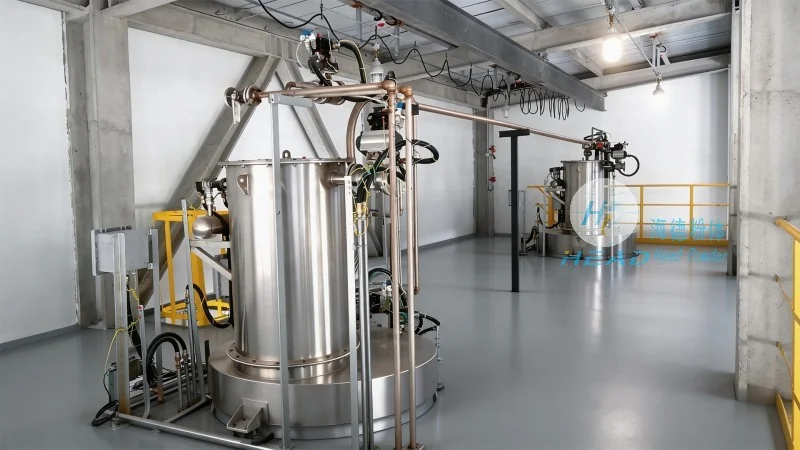
Positive Pressure Pneumatic Conveying
Positive pressure pneumatic conveying systems operate by blowing air or a carrier gas into the conveying line, creating a pressure higher than the ambient air pressure. This method is often preferred for transporting LiMnO₂ in bulk due to several advantages. First, positive pressure systems can handle a wide range of particle sizes and moisture content, making them suitable for diverse LiMnO₂ formulations. The pressurized environment also helps in preventing dust contamination and maintaining material quality during transport. Additionally, positive pressure systems are generally easier to install and maintain, as they do not require complex vacuum equipment. For companies like Shandong HeadPowder Engineering Co., Ltd., based in China, positive pressure systems offer a reliable solution for handling LiMnO₂ in large-scale production environments.
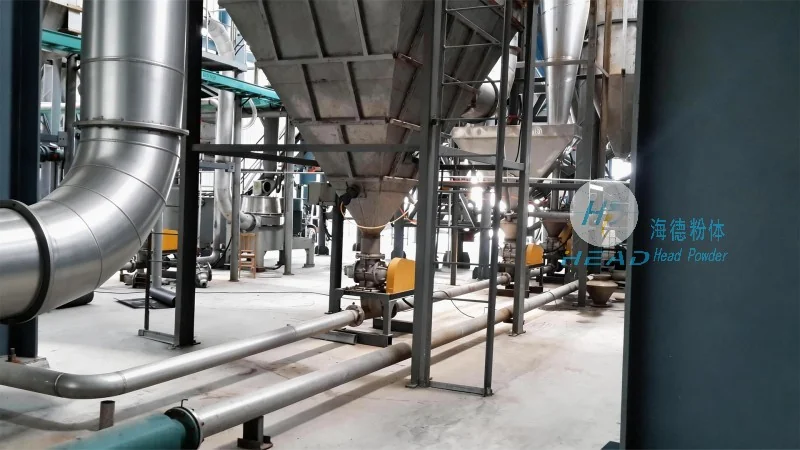
Negative Pressure Pneumatic Conveying
Negative pressure pneumatic conveying, also known as vacuum conveying, operates by creating a vacuum in the conveying line, drawing material from the source into the system. This method is particularly useful for transporting LiMnO₂ from lower to higher elevations or when the material needs to be collected from multiple points. Negative pressure systems are often more energy-efficient for short-distance conveying and can handle fine powders effectively. However, they may be less suitable for transporting large quantities of LiMnO₂ or for materials with high moisture content, as the vacuum can cause moisture to condense and affect material properties. The choice between positive and negative pressure depends on the specific operational requirements and the characteristics of the LiMnO₂ being handled.
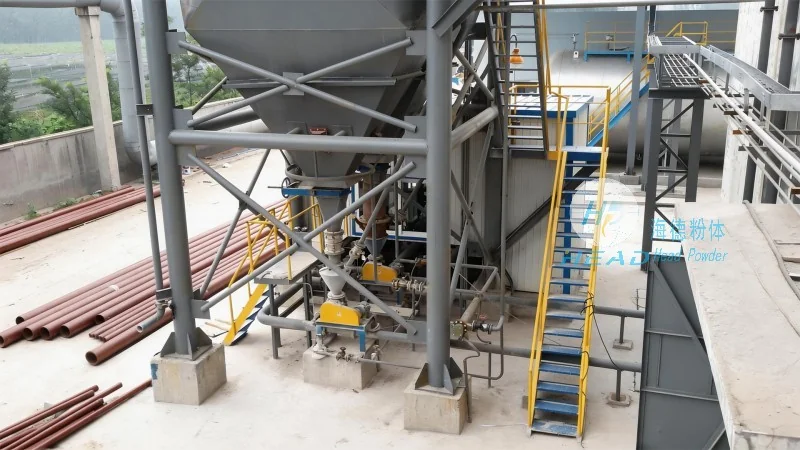
Distinguishing Between Positive and Negative Pressure Systems
There are several key factors to consider when distinguishing between positive and negative pressure pneumatic conveying systems for LiMnO₂. First, the distance and elevation changes between the source and destination are critical. Positive pressure systems are typically more suitable for longer distances and higher elevations, as they can maintain pressure and flow without significant losses. Negative pressure systems are better for shorter distances and when the material needs to be drawn from a lower level. Second, the particle size and moisture content of LiMnO₂ influence the choice. Fine particles and materials with high moisture content may require negative pressure to prevent clogging and maintain material integrity. Third, the scale of operation and production volume are important. Large-scale production facilities often opt for positive pressure systems due to their higher capacity and reliability. For instance, Shandong HeadPowder Engineering Co., Ltd., with its operations in China, may choose positive pressure systems for their bulk LiMnO₂ handling needs, as they can efficiently transport large quantities over longer distances.
Key Considerations for Selecting the Right Pneumatic Conveying System
When selecting a pneumatic conveying system for LiMnO₂, several factors must be evaluated to ensure optimal performance and safety. The first consideration is the material characteristics, including particle size distribution, moisture content, and bulk density. These properties directly impact the conveying efficiency and system design. Second, the operational requirements, such as the required conveying capacity, distance, and elevation changes, must be matched with the appropriate system type. Positive pressure systems are generally preferred for high-capacity and long-distance transport, while negative pressure systems are suitable for low-capacity and short-distance applications. Third, the safety aspects of handling LiMnO₂ are paramount. Pneumatic conveying systems must be designed to prevent dust explosions and ensure material containment. This includes using explosion-proof components and proper ventilation systems. For companies like Shandong HeadPowder Engineering Co., Ltd., based in China, adhering to safety standards and regulations is essential when implementing pneumatic conveying systems for LiMnO₂.
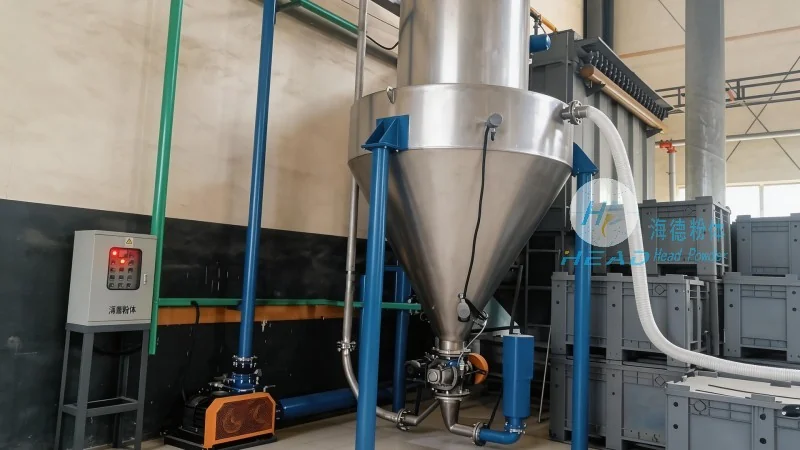
Conclusion
Choosing between positive pressure and negative pressure pneumatic conveying systems for lithium manganese dioxide (LiMnO₂) depends on various factors, including operational requirements, material characteristics, and safety considerations. Positive pressure systems offer advantages in handling large quantities and longer distances, while negative pressure systems are suitable for shorter distances and fine powders. Understanding the differences and distinguishing factors is crucial for optimizing material transport and ensuring operational efficiency. Companies like Shandong HeadPowder Engineering Co., Ltd., based in China, play a vital role in providing reliable pneumatic conveying solutions for LiMnO₂, helping industries meet their production needs while maintaining safety and quality standards.