

Application and Optimization of Pneumatic Conveying Technology in Potassium Carbonate Transport Desi
For industrial operations involving the handling of bulk materials like potassium carbonate, the choice of transport technology is critical to efficiency, safety, and cost-effectiveness. Pneumatic conveying systems have emerged as a preferred solution due to their ability to handle abrasive and sensitive materials while minimizing contamination risks. This article explores the application and optimization of pneumatic conveying technology specifically for potassium carbonate transport, highlighting key considerations and best practices.
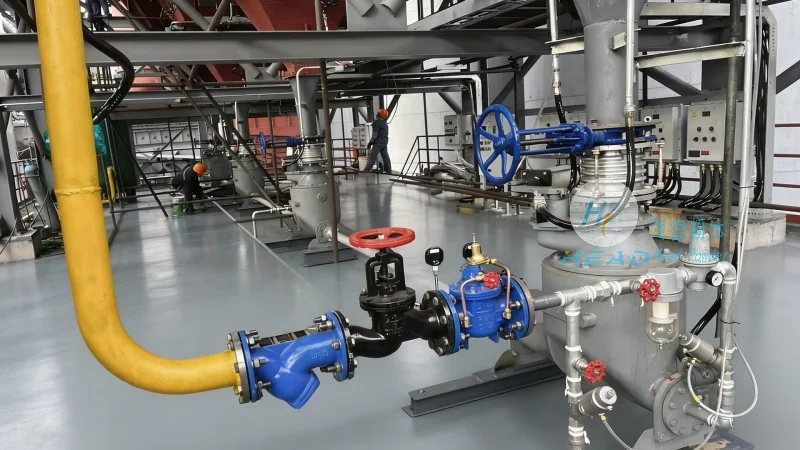
Potassium Carbonate Handling Challenges and Pneumatic Conveying Solutions
Potassium carbonate, commonly used in chemical manufacturing, food processing, and water treatment, presents unique challenges during material handling. Its granular or powdered form requires systems that can maintain material integrity, prevent dust generation, and ensure consistent flow rates. Traditional methods such as belt conveyors or bucket elevators may struggle with these requirements, especially when dealing with fine powders that are prone to agglomeration or caking. Pneumatic conveying offers a more controlled environment, utilizing air pressure to move material through pipelines, which helps in maintaining product quality and reducing operational downtime.
Key Components of Pneumatic Conveying Systems for Potassium Carbonate
The effectiveness of a pneumatic conveying system for potassium carbonate depends on several critical components. These include the feed hopper, which ensures a steady supply of material, and the conveyor itself, which can be either positive or negative pressure systems. Positive pressure systems use compressed air to push material through the pipeline, while negative pressure systems use vacuum to draw material. For potassium carbonate, positive pressure systems are often preferred as they provide better control over material flow and reduce the risk of dust exposure. The system also includes separation equipment, such as cyclones or filters, to remove air from the material stream and prevent product loss. Additionally, the use of flexible hoses and adjustable valves allows for easy integration into existing production lines, enhancing operational flexibility.
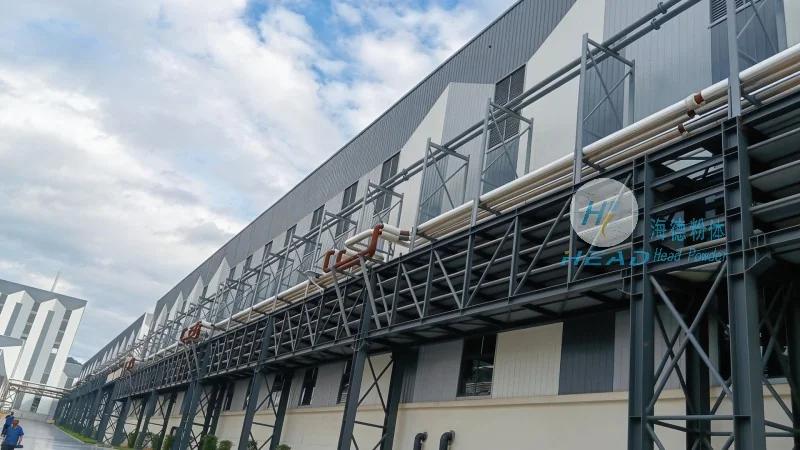
Optimization Strategies for Pneumatic Conveying in Potassium Carbonate Transport
Optimizing pneumatic conveying systems for potassium carbonate involves several strategies aimed at improving efficiency and reducing operational costs. One key approach is the selection of appropriate air velocity and pressure levels. Too low a velocity may cause material settling or blockages, while too high a velocity can lead to increased energy consumption and wear on components. Engineers typically use the "critical velocity" concept to determine the optimal air speed for a given material, ensuring that the material remains suspended without excessive air usage. Another optimization strategy involves the design of the pipeline layout, including the use of bends and elbows with smooth transitions to minimize pressure drop and prevent material deposition. Regular maintenance of the system, including cleaning of filters and checking for wear on seals and bearings, is also essential to maintain performance and extend the system's lifespan.
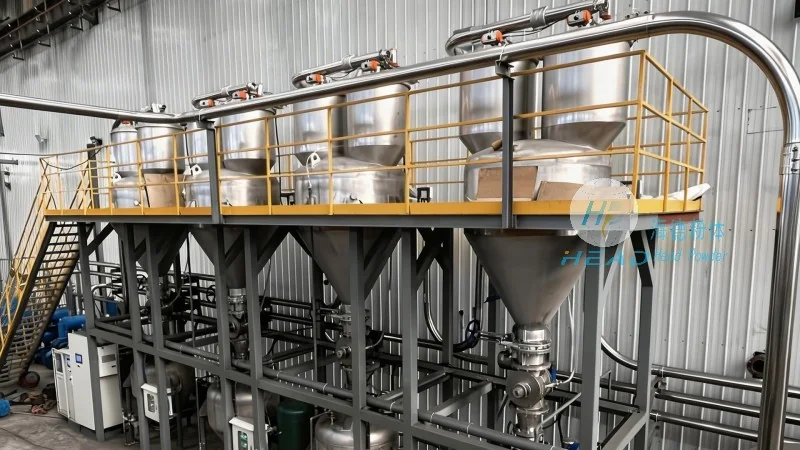
Case Study: Successful Implementation by Shandong HeadPowder Engineering Co., Ltd.
Shandong HeadPowder Engineering Co., Ltd., a leading provider of bulk material handling solutions, has successfully implemented pneumatic conveying systems for potassium carbonate transport in various industrial applications. One notable project involved a chemical plant in China that required the transfer of potassium carbonate from storage silos to processing units. The company designed a positive pressure pneumatic conveying system with a capacity of 10 tons per hour, incorporating high-efficiency cyclones for material separation and a flexible pipeline network to accommodate the plant's layout. The system was optimized for low energy consumption, with air velocity adjusted to the critical level for potassium carbonate, resulting in a 20% reduction in operational costs compared to traditional conveyor systems. The plant reported improved product quality, reduced dust emissions, and enhanced safety due to the enclosed system design.
Conclusion: The Role of Pneumatic Conveying in Modern Potassium Carbonate Handling
In conclusion, pneumatic conveying technology offers significant advantages for the transport of potassium carbonate, addressing key challenges such as material integrity, dust control, and operational efficiency. By optimizing system components, air parameters, and pipeline design, industrial facilities can achieve reliable and cost-effective material handling solutions. As a trusted provider in the field, Shandong HeadPowder Engineering Co., Ltd. continues to innovate and adapt pneumatic conveying systems to meet the evolving needs of the potassium carbonate industry, ensuring sustainable and efficient operations for its clients.