

Application and Optimization of Pneumatic Conveying Technology in Ammonium Sulfate Transport Design
Ammonium sulfate is a widely used chemical compound in various industries, including agriculture, pharmaceuticals, and industrial processes. The efficient and reliable transport of this material is crucial for maintaining production efficiency and ensuring product quality. Pneumatic conveying technology has emerged as a key solution for handling ammonium sulfate, offering advantages such as reduced equipment wear, improved safety, and enhanced process control. This article explores the application and optimization of pneumatic conveying systems specifically tailored for ammonium sulfate transport, highlighting the benefits and best practices in design and implementation.

Company Overview: Shandong HeadPowder Engineering Co., Ltd.
Shandong HeadPowder Engineering Co., Ltd., commonly known as HeadPowder, is a leading provider of engineering solutions for material handling and processing. With a strong focus on innovation and customer satisfaction, the company specializes in designing and manufacturing advanced pneumatic conveying systems. HeadPowder's expertise in the field of bulk material transport has enabled it to deliver customized solutions that meet the unique requirements of clients across different industries. The company's commitment to quality and reliability has established it as a trusted partner for businesses seeking efficient and sustainable material handling solutions.
Pneumatic Conveying Technology for Ammonium Sulfate: Key Advantages
Pneumatic conveying systems utilize air or other gases to transport bulk materials like ammonium sulfate through pipelines. This method offers several advantages over traditional mechanical conveying systems. Firstly, it reduces equipment wear and tear, as there are no moving parts in direct contact with the material. This results in lower maintenance costs and longer equipment lifespan. Secondly, pneumatic conveying enhances safety by eliminating the need for manual handling of heavy or hazardous materials. The enclosed system also prevents dust emissions, contributing to a cleaner and safer working environment. Additionally, pneumatic conveying allows for precise control over material flow rates and pressure, enabling better process integration and optimization. These benefits make it an ideal choice for industries where product purity and operational efficiency are paramount.
Design Considerations for Optimal Ammonium Sulfate Transport
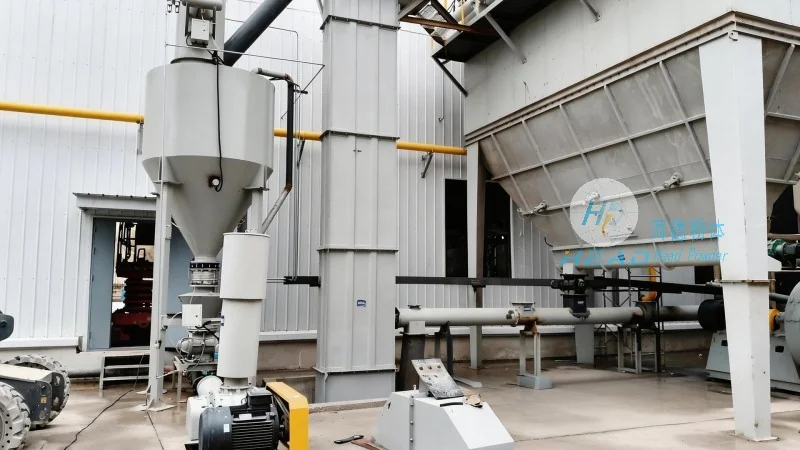
The successful implementation of pneumatic conveying systems for ammonium sulfate transport requires careful consideration of several design factors. The first step is to assess the material properties of ammonium sulfate, including its particle size, density, and flow characteristics. These properties influence the selection of the appropriate conveying system type, such as dilute-phase or dense-phase conveying. Dilute-phase systems are suitable for fine powders and require higher air velocities, while dense-phase systems are better for bulkier materials and offer more control over material discharge. The system design also needs to account for the distance and elevation changes between the source and destination points. Proper pipeline sizing, air pressure, and flow rate calculations are critical to ensure efficient material transport without causing blockages or excessive energy consumption. Additionally, incorporating features like air filters, cyclones, and material recovery systems can enhance the overall performance and sustainability of the conveying process.
Optimization Strategies for Pneumatic Conveying Systems
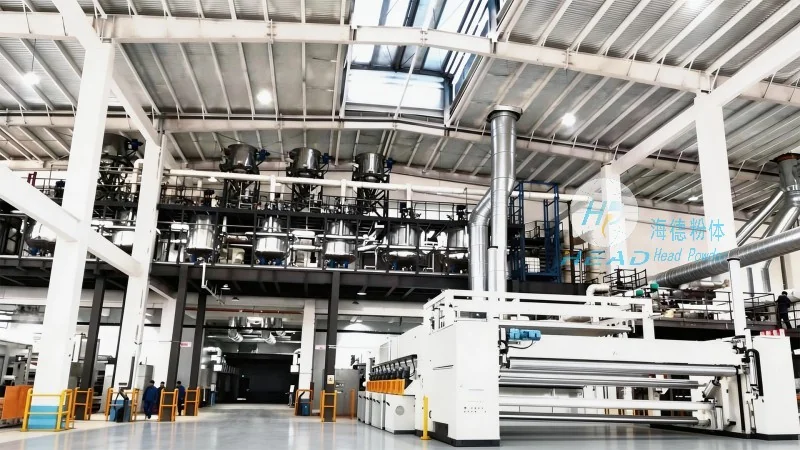
Optimizing pneumatic conveying systems for ammonium sulfate transport involves a combination of technical adjustments and operational best practices. One key strategy is to monitor and adjust air pressure and flow rates in real-time based on process conditions. This dynamic control helps maintain optimal material transport efficiency and prevents system inefficiencies. Another important aspect is regular maintenance and cleaning of the conveying system components, such as filters and pipelines, to prevent clogging and ensure consistent performance. Implementing advanced control systems, such as programmable logic controllers (PLCs), can further enhance system automation and reduce human intervention. These systems can adjust parameters automatically based on sensor inputs, improving overall process reliability. Furthermore, conducting periodic performance audits and data analysis can help identify areas for improvement and optimize the system over time. By adopting these optimization strategies, businesses can maximize the benefits of pneumatic conveying technology, reduce operational costs, and improve the overall productivity of their ammonium sulfate transport processes.
Case Study: Successful Implementation by HeadPowder
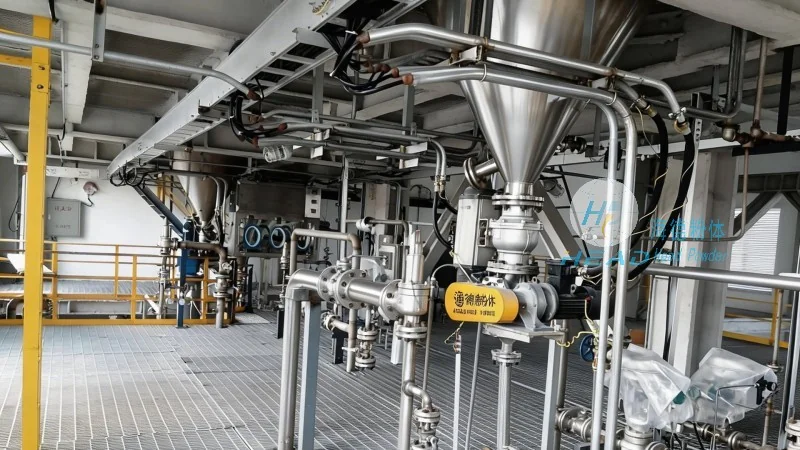
A recent project by Shandong HeadPowder Engineering Co., Ltd. demonstrates the effectiveness of optimized pneumatic conveying systems for ammonium sulfate transport. The client, a large agricultural chemical manufacturer, required a solution to transport ammonium sulfate from storage silos to processing units efficiently and safely. HeadPowder designed a custom dilute-phase pneumatic conveying system that integrated with the existing plant infrastructure. The system was engineered to handle the specific particle size and flow characteristics of the ammonium sulfate, ensuring smooth and continuous material transport. The implementation included advanced control features and regular maintenance protocols to minimize downtime and maximize throughput. The results were significant: the system achieved a 20% reduction in energy consumption compared to traditional mechanical conveying methods, and the material transport time was reduced by 30%. The client also reported improved product quality due to the reduced risk of contamination and better control over material flow. This case study highlights the importance of tailored design and optimization in achieving successful pneumatic conveying applications for ammonium sulfate transport.
Conclusion: The Future of Ammonium Sulfate Transport with Pneumatic Conveying
Pneumatic conveying technology continues to play a vital role in the efficient and sustainable transport of ammonium sulfate. As industries increasingly prioritize operational efficiency and environmental responsibility, optimized pneumatic conveying systems offer a compelling solution. By leveraging advanced design principles and continuous optimization strategies, businesses can enhance their material handling processes, reduce costs, and improve overall productivity. Shandong HeadPowder Engineering Co., Ltd. remains at the forefront of this technology, providing customized solutions that meet the evolving needs of clients. With its commitment to innovation and quality, HeadPowder is well-positioned to support the future growth of industries relying on ammonium sulfate transport. The application and optimization of pneumatic conveying technology will undoubtedly continue to be a key factor in the success of bulk material handling operations worldwide.