

Analysis of Micropowder Pneumatic Conveying Systems
HeadPowder, a leading provider in the field of material handling solutions, specializes in the design, manufacturing, and implementation of micropowder pneumatic conveying systems. Based in Shandong, China, the company has established itself as a trusted partner for industries requiring efficient and reliable transportation of fine powders. This article provides an in-depth analysis of such systems, highlighting their functionality, key components, and the advantages they offer to various sectors.
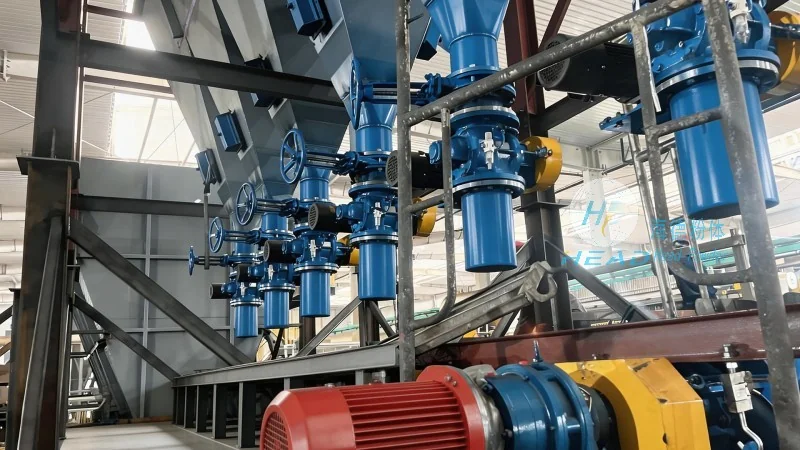
Understanding Micropowder Pneumatic Conveying Systems
Micropowder pneumatic conveying systems are engineered to transport fine powders, such as chemicals, pharmaceuticals, food additives, and industrial minerals, through a pipeline using compressed air or other gases. Unlike traditional mechanical conveyors, these systems operate by creating a flow of air that suspends the powder particles, allowing them to be moved from one location to another with minimal loss and high efficiency. The design of these systems is tailored to handle materials with particle sizes typically ranging from 10 microns to several millimeters, making them suitable for applications where precision and cleanliness are paramount.
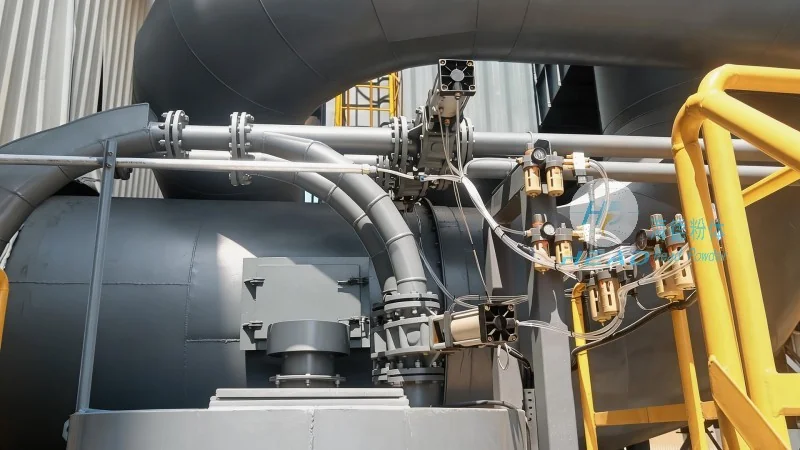
Key Components of a Micropowder Pneumatic Conveying System
The effectiveness of a micropowder pneumatic conveying system relies on several critical components that work in concert to ensure smooth operation. The primary components include a feeding device, a conveying line, a control system, and a collection unit. The feeding device, often a rotary valve or a vacuum feeder, ensures that the powder is introduced into the system at a controlled rate, preventing blockages and maintaining consistent flow. The conveying line, typically made of stainless steel or other corrosion-resistant materials, is designed to withstand the abrasive nature of fine powders and the pressure of the conveying medium. The control system manages the pressure, flow rate, and direction of the air, ensuring optimal performance and safety. Finally, the collection unit, such as a cyclone separator or a bag filter, captures the powder at the end of the line, preventing dust emissions and maintaining environmental compliance.
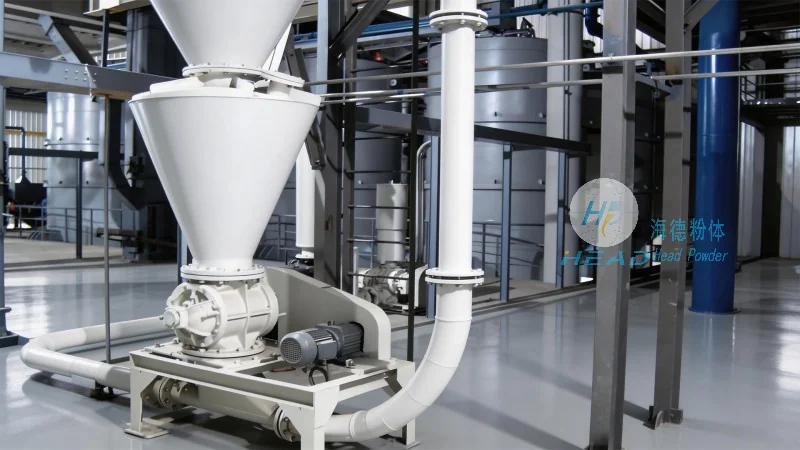
Advantages of Micropowder Pneumatic Conveying Systems
Compared to traditional conveyor systems, micropowder pneumatic conveying systems offer several distinct advantages that make them ideal for modern industrial applications. One of the most significant benefits is the ability to handle fine powders without the risk of clogging or material degradation. The air-based transport minimizes product contamination and ensures that the powder remains in its original state, which is crucial for pharmaceutical and food industries where purity is a top priority. Additionally, these systems are highly flexible, allowing for changes in the conveying route or capacity without major modifications to the infrastructure. They also provide a dust-free environment, reducing the risk of occupational hazards and improving workplace safety. Furthermore, the compact design of these systems saves valuable floor space, making them suitable for facilities with limited room for large equipment.
Applications in Various Industries
The versatility of micropowder pneumatic conveying systems makes them applicable across a wide range of industries. In the pharmaceutical sector, these systems are used to transport active pharmaceutical ingredients (APIs) and excipients with high precision, ensuring that the final product meets stringent quality standards. The food industry utilizes them for handling food-grade powders, such as sugar, flour, and spices, maintaining hygiene and preventing cross-contamination. In the chemical industry, they are employed to convey raw materials and finished products, such as pigments and coatings, with minimal risk of chemical reactions or degradation. Additionally, the mining and mineral processing industries benefit from these systems for transporting fine ores and concentrates, improving the efficiency of extraction and processing operations.
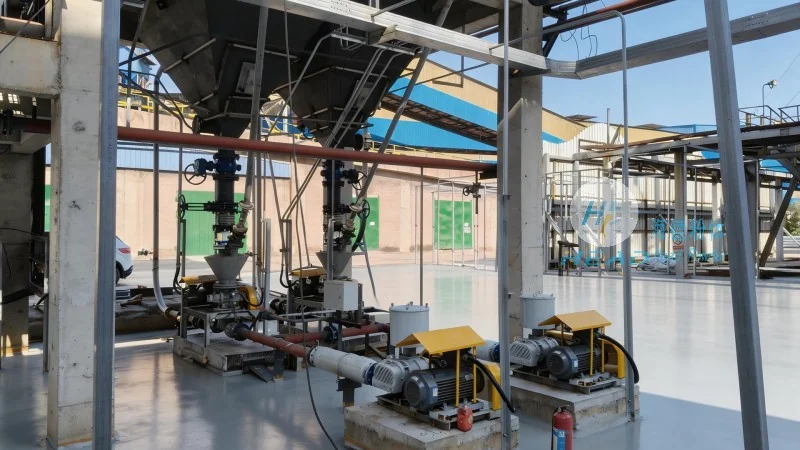
Conclusion
HeadPowder Engineering Co., Ltd., with its headquarters in Shandong, China, continues to be at the forefront of developing advanced micropowder pneumatic conveying systems. By leveraging cutting-edge technology and a deep understanding of material handling needs, the company provides customized solutions that meet the specific requirements of each client. The systems not only enhance operational efficiency but also contribute to environmental sustainability by reducing dust emissions and improving workplace safety. As industries increasingly demand more precise and reliable material transport solutions, micropowder pneumatic conveying systems remain a critical component in modern manufacturing processes.