

Common Methods of Cement Powder Conveying
When it comes to the efficient and reliable transport of cement powder, selecting the right conveying method is crucial for industrial operations. Proper cement powder conveying not only ensures smooth production processes but also minimizes material loss and operational costs. This article explores the common methods used for cement powder conveying, highlighting the key aspects of each approach and how they apply to industrial applications.
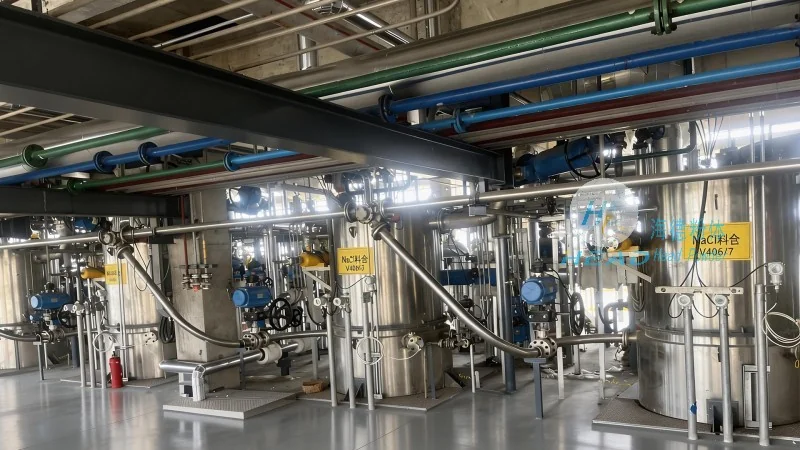
Understanding Cement Powder Conveying: The Core Importance
Cement powder, a critical component in construction and manufacturing, requires specialized handling due to its fine particle size and potential for dust generation. Effective conveying systems must address challenges such as material segregation, dust control, and energy efficiency. The choice of conveying method depends on factors like the volume of material, distance to be transported, and the specific requirements of the end application. By understanding the common methods available, businesses can optimize their operations and enhance productivity.
1. Pneumatic Conveying Systems: The Preferred Choice for Many Industries
Pneumatic conveying, often referred to as air-powered conveying, is one of the most widely used methods for cement powder transport. This system utilizes compressed air to move the material through a pipeline, making it ideal for both short and long distances. There are two main types of pneumatic conveying: pressure and vacuum. Pressure systems use positive pressure to push the material forward, while vacuum systems use negative pressure to pull it. For cement powder, pressure systems are generally more effective as they can handle higher volumes and provide better control over the flow rate. The key components of a pneumatic conveying system include a hopper, a rotary valve, a conveyor line, and a dust collector. The rotary valve ensures a controlled release of material into the pipeline, preventing blockages and maintaining consistent flow. The conveyor line, typically made of stainless steel or other corrosion-resistant materials, is designed to withstand the abrasive nature of cement powder. The dust collector is essential for capturing and filtering the fine particles, ensuring compliance with environmental regulations and maintaining a safe working environment.
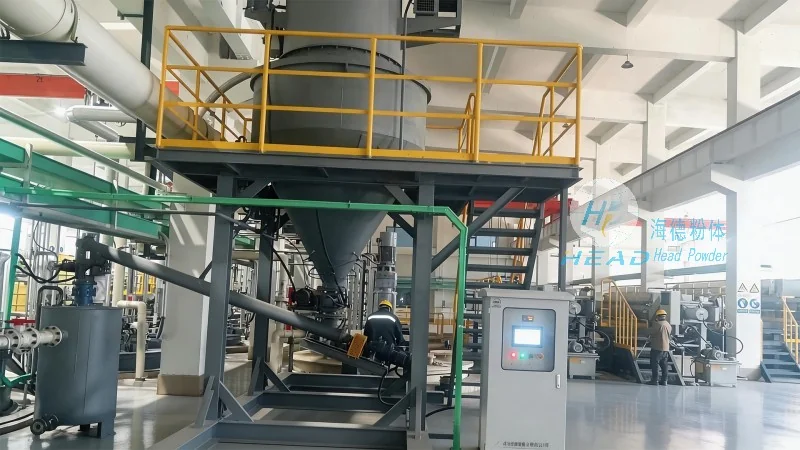
2. Screw Conveyors: A Reliable and Versatile Option
Screw conveyors, also known as auger conveyors, are another common method for cement powder conveying. These systems use a rotating screw (auger) to move material along a trough. Screw conveyors are particularly suitable for horizontal or slightly inclined transport, making them ideal for applications where the material needs to be moved over short distances or within a confined space. The design of a screw conveyor includes a helical screw mounted on a shaft, enclosed in a trough or tube. The material is fed into the hopper at one end, and as the screw rotates, it pushes the material forward. Screw conveyors are known for their simplicity, low maintenance, and ability to handle a wide range of materials, including cement powder. They are also effective in preventing material segregation, as the screw ensures a uniform flow. However, screw conveyors may not be suitable for very long distances or high-volume applications, as the material can experience friction and wear over time.
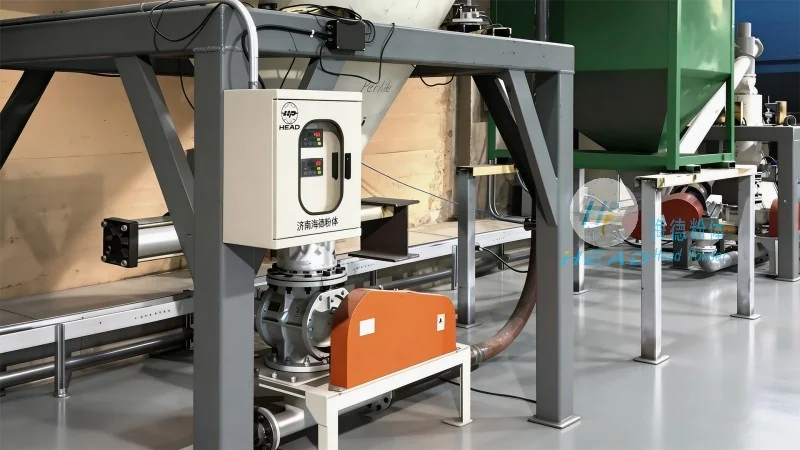
3. Belt Conveyors: High-Capacity and Cost-Effective Solutions
Belt conveyors are widely used in cement powder handling due to their high capacity and cost-effectiveness. These systems consist of a continuous belt that moves over rollers or pulleys, transporting the material from one point to another. Belt conveyors are particularly effective for long-distance transport and can handle large volumes of cement powder. The key components of a belt conveyor include a drive system, a conveyor belt, idlers, and a loading and unloading mechanism. The drive system provides the necessary power to move the belt, while the idlers support the belt and maintain its tension. The loading mechanism, often a hopper or a rotary valve, feeds the cement powder onto the belt, and the unloading mechanism, such as a discharge chute or a rotary valve, removes the material at the end of the conveyor. Belt conveyors are known for their durability and ability to handle abrasive materials like cement powder. They can be customized to meet specific operational requirements, such as varying the speed or the width of the belt. However, belt conveyors require regular maintenance to ensure the belt remains in good condition and to prevent material buildup or wear.
4. Hydraulic Conveying: A Specialized Approach for Specific Needs
Hydraulic conveying is a less common but specialized method for cement powder transport. This system uses a liquid medium, such as water or a slurry, to move the material through a pipeline. The cement powder is mixed with the liquid to form a slurry, which is then pumped through the pipeline. Hydraulic conveying is particularly effective for long-distance transport and can handle very high volumes of material. However, it requires additional equipment for slurry preparation and separation, which can increase operational costs. The key components of a hydraulic conveying system include a slurry pump, a mixing tank, a pipeline, and a separation unit. The slurry pump provides the necessary pressure to move the slurry through the pipeline, while the mixing tank ensures the cement powder is properly mixed with the liquid. The pipeline is typically made of corrosion-resistant materials to withstand the abrasive nature of the slurry. The separation unit, such as a centrifuge or a filter, removes the liquid from the material, allowing for reuse or disposal. Hydraulic conveying is often used in applications where other methods are not feasible, such as in underground mines or in remote locations.