

Classification and Composition of Straw Powder Pneumatic Conveying Systems
Straw powder pneumatic conveying systems are essential for efficient handling and transportation of agricultural biomass materials. These systems play a crucial role in modern agricultural and industrial processes, enabling the movement of straw powder from storage to processing units with precision and reliability. Understanding the classification and composition of such systems is vital for selecting the right equipment for specific applications.
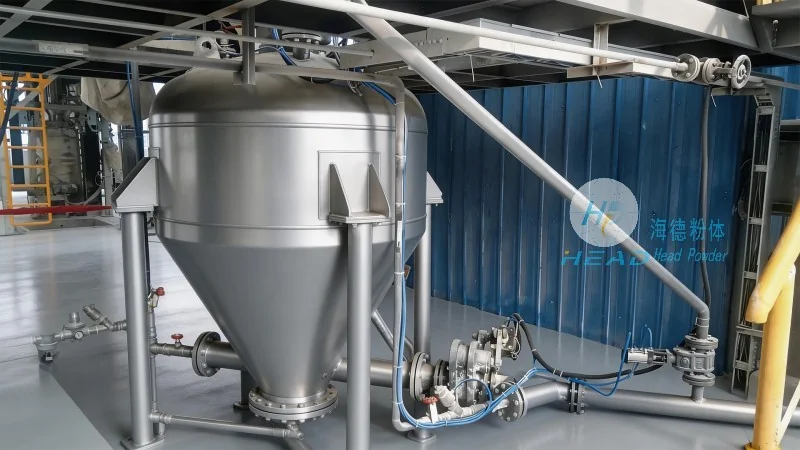
Introduction to Straw Powder Pneumatic Conveying Systems
Straw powder, derived from agricultural residues like wheat, rice, and corn stalks, is a valuable resource in bioenergy and material processing industries. The pneumatic conveying of straw powder involves transporting the material through a pipeline using air or other gas as the conveying medium. This method offers advantages over traditional mechanical conveying, such as reduced equipment wear, lower maintenance costs, and the ability to handle materials with high moisture content or abrasive properties.
Company Overview: Shandong HeadPowder Engineering Co., Ltd.
HeadPowder, a leading manufacturer in the field of pneumatic conveying technology, specializes in designing and manufacturing systems tailored for straw powder applications. With a strong presence in the agricultural machinery sector, HeadPowder has established itself as a trusted partner for clients seeking reliable and efficient solutions for biomass handling. The company's headquarters is located in Shandong, China, where it leverages advanced engineering capabilities and local expertise to develop cutting-edge pneumatic conveying systems.
Classification of Straw Powder Pneumatic Conveying Systems
Straw powder pneumatic conveying systems can be classified based on several key factors, including the conveying principle, material characteristics, and operational requirements. The primary classifications include pressure and vacuum systems, dilute and dense phase conveying, and positive and negative pressure systems. Each classification serves different operational needs, with pressure systems typically used for long-distance or high-capacity transport, while vacuum systems are suitable for short-distance or low-volume applications.
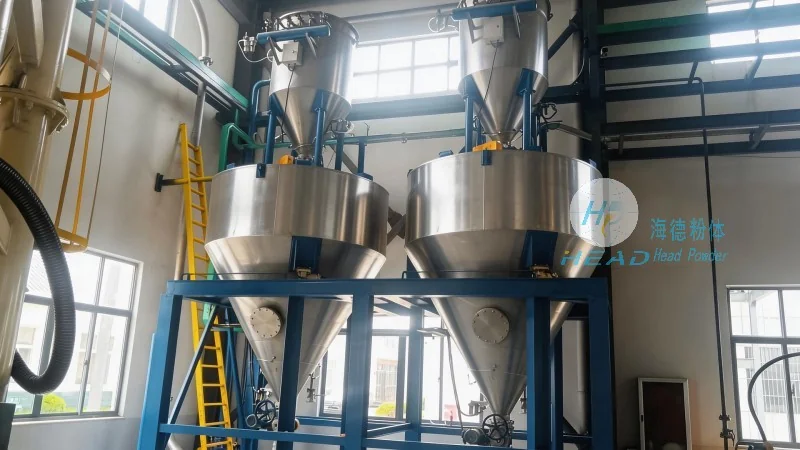
Key Components of Straw Powder Pneumatic Conveying Systems
The composition of a straw powder pneumatic conveying system involves several critical components that work in tandem to ensure efficient material transport. These components include the hopper or feeder, which feeds the straw powder into the system; the conveying line, which consists of pipes and fittings; the air or gas source, such as a blower or compressor; and the control system, which regulates the flow and pressure. Additionally, the system may include accessories like filters, cyclones, and silos to manage dust and separate the conveyed material from the air.
Feeder and Hopper Systems
The feeder and hopper are the initial components of the straw powder pneumatic conveying system, responsible for feeding the material into the conveying line. The design of these components is critical to ensure consistent material flow and prevent blockages. For straw powder, which can be prone to bridging or segregation, specialized feeders like rotary valves or screw feeders are often used. These feeders provide a controlled discharge rate, maintaining a stable flow of material into the system. The hopper is typically designed with a conical or wedge shape to facilitate uniform material distribution and prevent material accumulation at the bottom.
Conveying Line and Fittings
The conveying line is the core of the pneumatic system, responsible for transporting the straw powder through the pipeline. The material is suspended in the air stream and carried along the length of the line. The design of the conveying line, including pipe diameter, material, and fittings, is crucial for minimizing pressure drop and ensuring efficient transport. For straw powder, which may have varying particle sizes and moisture content, flexible or rigid pipes may be used, depending on the application. The use of elbows, tees, and other fittings is essential to maintain the air flow and prevent material deposition or blockages in the system.
Air or Gas Source and Control System
The air or gas source provides the necessary pressure or vacuum to move the straw powder through the conveying line. Blowers or compressors are commonly used as the air source, with the choice depending on the system's pressure requirements and material characteristics. The control system regulates the flow of air and material, ensuring that the conveying process operates within optimal parameters. This system may include pressure sensors, flow meters, and control valves to monitor and adjust the system's performance in real-time. Proper control is essential to prevent overloading the system, which can lead to increased energy consumption or equipment damage.
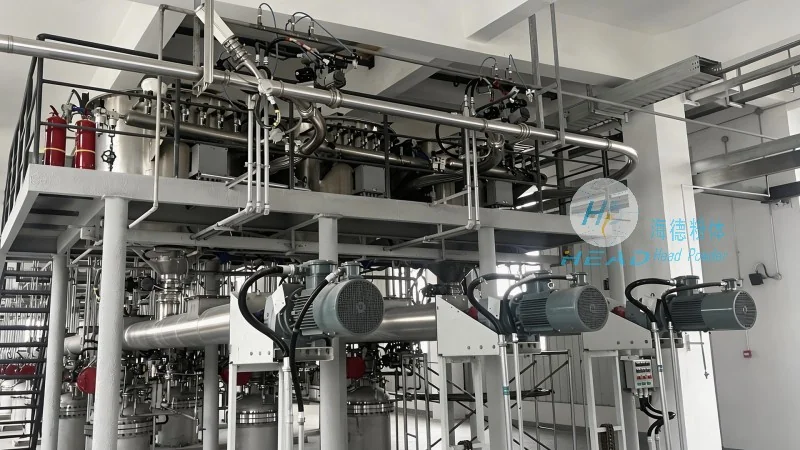
Accessories and Auxiliary Equipment
In addition to the primary components, straw powder pneumatic conveying systems often include accessories and auxiliary equipment to enhance performance and ensure safety. Filters are used to remove dust and particulate matter from the air stream, protecting the system and the environment. Cyclones or separators are employed to separate the conveyed material from the air, allowing for the recovery of the material and the release of clean air. Silos or storage tanks may be integrated into the system to store the received straw powder, providing a buffer for downstream processing. These accessories are designed to work in conjunction with the main components, ensuring a smooth and efficient conveying process.
Application Examples and Operational Considerations
Straw powder pneumatic conveying systems are widely used in various applications, including biofuel production, animal feed processing, and construction material manufacturing. The choice of system depends on factors such as the material's properties, the distance to be conveyed, and the required throughput. Operational considerations include maintaining consistent air pressure, monitoring material flow rates, and regular maintenance of components to prevent system failures. Proper training of operators and adherence to safety protocols are also essential to ensure the safe and efficient operation of the system.
Conclusion
Straw powder pneumatic conveying systems are a critical technology for the efficient handling of agricultural biomass materials. The classification and composition of these systems, as detailed above, highlight the importance of each component in achieving reliable and efficient material transport. With advancements in engineering and material science, these systems continue to evolve, offering improved performance and adaptability for various applications. As the demand for sustainable energy and material processing grows, the role of straw powder pneumatic conveying systems will remain increasingly important in meeting these needs.