

Common Frac Sand Transport Methods: An Introduction to Frac Sand Pneumatic Conveying
Frac sand, a critical component in hydraulic fracturing operations, requires efficient and reliable transport from storage to the well site. The choice of transport method significantly impacts operational efficiency, cost, and safety. This article explores common frac sand transport methods, with a focus on the advantages and applications of pneumatic conveying systems.
Overview of Frac Sand Transport Options
There are several methods used to transport frac sand, each with distinct characteristics suited to different operational needs. Traditional methods include truck transport, which remains widely used due to its flexibility and accessibility. However, trucking can be limited by road conditions, traffic, and the need for multiple trips to move large volumes of sand. Another conventional approach involves conveyor belts, which are effective for horizontal or slight incline transport but may face challenges with dust control and material handling in outdoor environments.
Pneumatic Conveying: A Modern Solution for Frac Sand Transport
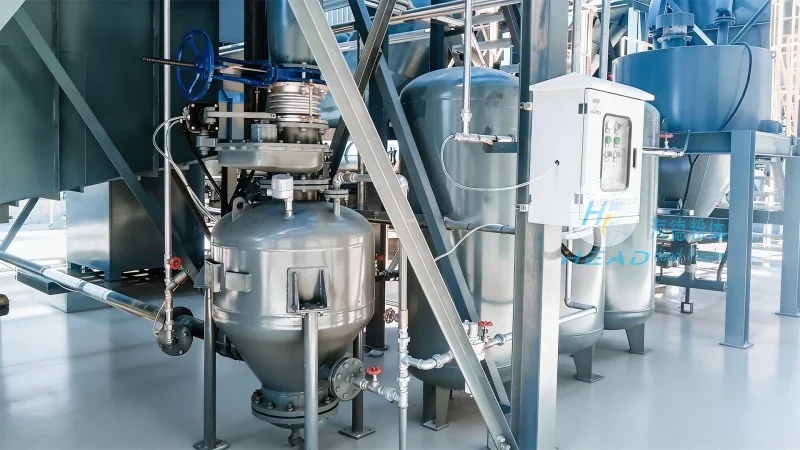
Pneumatic conveying has emerged as a preferred method for frac sand transport, particularly in industrial settings where high volumes and consistent flow are required. This technology uses air pressure to move sand particles through a pipeline system, eliminating the need for mechanical components like belts or buckets. The process involves a hopper to store the sand, a blower or compressor to generate airflow, and a pipeline network that transports the sand to the well site or processing facility.
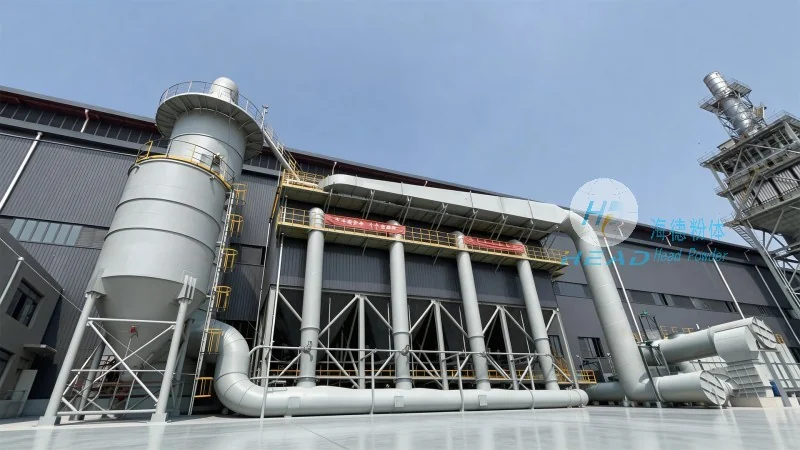
Key advantages of pneumatic conveying for frac sand include reduced dust exposure, lower maintenance costs compared to traditional conveyor systems, and the ability to transport materials over longer distances without significant loss of velocity. The system can be designed for both positive and negative pressure operation, allowing flexibility in layout and integration with existing infrastructure.
Components of a Pneumatic Frac Sand Conveying System
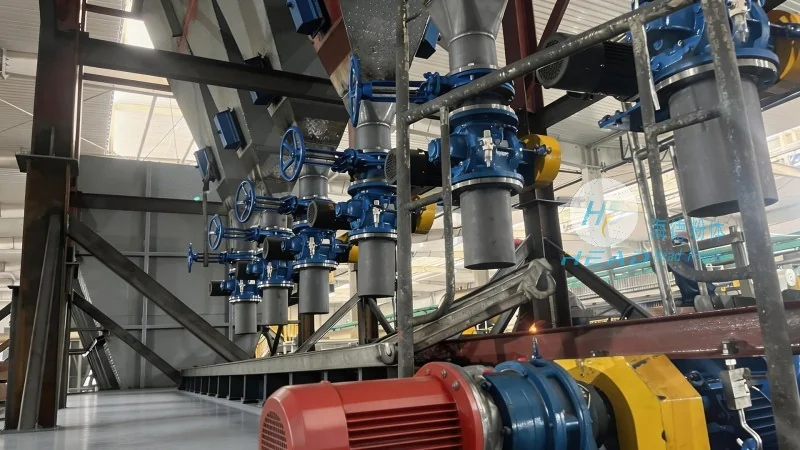
A typical pneumatic conveying system for frac sand consists of several key components. The storage hopper is equipped with a discharge valve to control the flow of sand into the system. A rotary airlock valve ensures a consistent feed rate, preventing material buildup and maintaining system pressure. The blower or compressor provides the necessary air pressure, with options ranging from positive displacement blowers to centrifugal compressors depending on the system's capacity and pressure requirements.
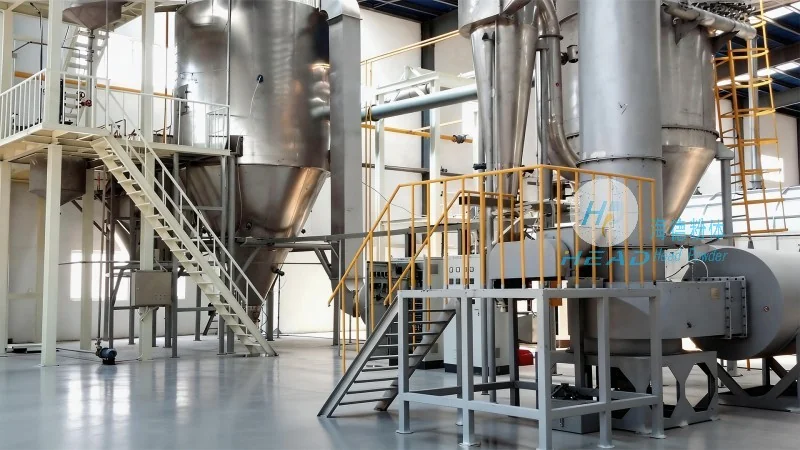
The pipeline network is constructed from materials resistant to abrasion and corrosion, such as stainless steel or high-density polyethylene, to withstand the abrasive nature of frac sand. The system may include expansion joints and elbows to accommodate changes in direction and elevation, minimizing pressure losses and ensuring smooth material flow. At the receiving end, a cyclone separator or filter system separates the sand from the air, allowing the sand to be deposited in a collection bin while the air is either recirculated or vented to the atmosphere.
Applications and Benefits in Frac Sand Transport
Pneumatic conveying is widely adopted in frac sand operations due to its efficiency and adaptability. It is particularly suitable for moving sand from storage facilities to processing plants, where it may undergo cleaning, drying, or grading before being transported to the well site. The system's ability to handle large volumes in a continuous manner reduces downtime and labor costs associated with manual handling or truck loading.
Another benefit is the reduced environmental impact compared to truck transport. Pneumatic systems minimize dust emissions, which is crucial for maintaining air quality at the well site and reducing the risk of silicosis for workers. Additionally, the enclosed pipeline system prevents sand from being lost or scattered during transport, ensuring material integrity and compliance with environmental regulations.
HeadPowder's Expertise in Frac Sand Pneumatic Conveying
Shandong HeadPowder Engineering Co., Ltd., a leading provider of frac sand processing and transport solutions, specializes in designing and manufacturing advanced pneumatic conveying systems tailored to the needs of the oil and gas industry. With years of experience in the field, HeadPowder understands the critical role of efficient sand transport in optimizing hydraulic fracturing operations.
HeadPowder's systems are engineered to deliver high performance and reliability, incorporating robust components that can withstand the abrasive nature of frac sand. The company's commitment to quality and customer satisfaction is reflected in its comprehensive service offerings, including system design, installation, and maintenance support. By partnering with HeadPowder, operators can enhance their frac sand transport efficiency, reduce operational costs, and ensure compliance with industry standards.