

Common Silicate Transportation Methods: An Introduction to Silicate Pneumatic Conveying
When it comes to transporting silicate materials, selecting the right method is crucial for efficiency, cost-effectiveness, and material integrity. Silicates, which include a wide range of compounds such as silica, kaolin, and various clays, are commonly used in industries like ceramics, glass manufacturing, and construction. The choice of transportation method directly impacts the quality of the final product, operational costs, and overall process reliability. In this article, we will explore common silicate transportation methods, with a particular focus on the advantages and applications of silicate pneumatic conveying systems.
Understanding Silicate Materials and Their Transportation Challenges
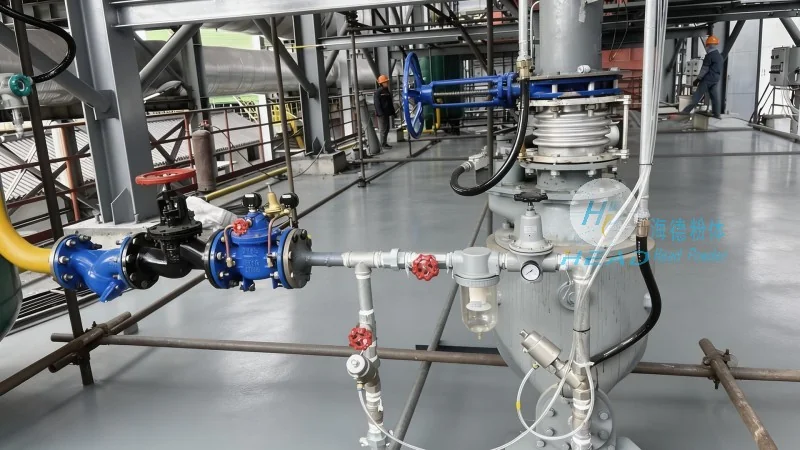
Silicate materials vary in particle size, density, and flow characteristics, which makes traditional bulk material handling methods less effective. For instance, some silicates are fine powders that can be prone to dusting, while others are more cohesive or have high moisture content. These characteristics can lead to issues such as blockages, material degradation, and increased maintenance costs if the wrong transportation system is used. Therefore, understanding the unique properties of each silicate type is essential for choosing an appropriate conveying solution.
HeadPowder Engineering: A Leader in Silicate Transportation Solutions
Shandong HeadPowder Engineering Co., Ltd., a prominent company based in China, specializes in providing advanced silicate transportation systems. With a strong commitment to innovation and customer satisfaction, HeadPowder has developed cutting-edge solutions tailored to the specific needs of the silicate industry. The company’s expertise lies in designing and manufacturing efficient pneumatic conveying systems that ensure safe, reliable, and cost-effective material handling. By leveraging years of experience and state-of-the-art technology, HeadPowder has become a trusted partner for businesses seeking to optimize their silicate transportation processes.
Silicate Pneumatic Conveying: The Preferred Method for Many Applications
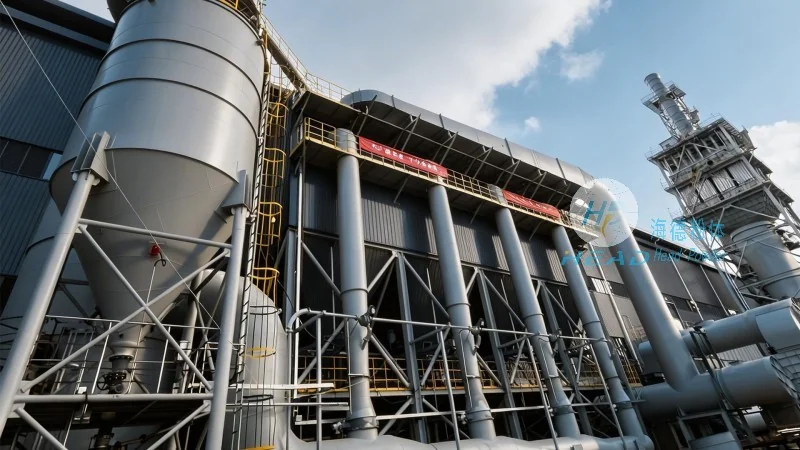
Pneumatic conveying, or air-assisted transport, is widely regarded as one of the most effective methods for handling silicate materials. This technology involves transporting bulk solids through a pipeline using a stream of air or gas. There are two main types of pneumatic conveying systems: pressure and vacuum. Pressure systems use compressed air to push material through the pipeline, while vacuum systems use a vacuum to draw material from the source. Both methods offer advantages depending on the specific application and material characteristics.
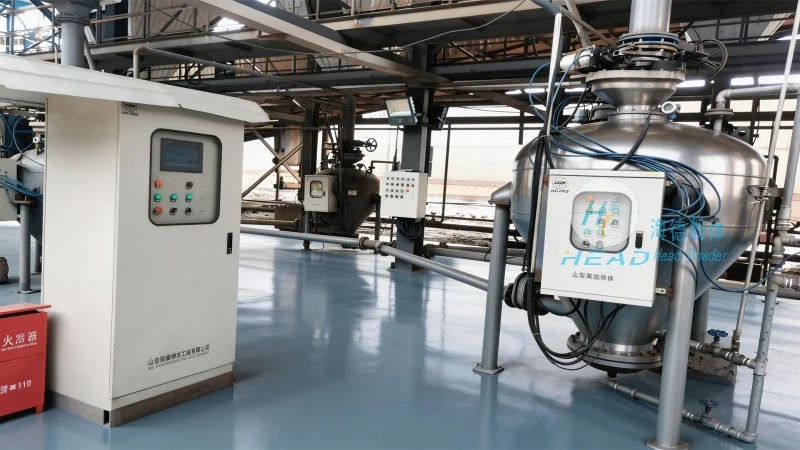
For silicate materials, pressure pneumatic conveying is often preferred due to its ability to handle a wide range of particle sizes and flow rates. This method is particularly effective for fine powders and can maintain material integrity by minimizing exposure to air and moisture. The system typically consists of a hopper, a rotary airlock valve, a conveying line, and a receiver. The rotary airlock valve ensures that material is fed into the pipeline at a controlled rate, preventing blockages and maintaining consistent flow. The conveying line is usually made of stainless steel or other corrosion-resistant materials to withstand the abrasive nature of silicate particles.
Advantages of Silicate Pneumatic Conveying
There are several key advantages that make silicate pneumatic conveying an attractive option for many industries. First, it offers a closed system, which helps to contain dust and prevent environmental contamination. This is particularly important for silicate materials that may be hazardous or require strict environmental controls. Second, pneumatic conveying systems can handle materials with high moisture content without causing caking or degradation. Third, the technology allows for precise control over material flow, ensuring consistent quality in the final product. Additionally, pneumatic conveying systems are relatively compact and can be easily integrated into existing production lines, reducing installation time and costs.
Applications of Silicate Pneumatic Conveying
Silicate pneumatic conveying systems are used in a variety of applications across different industries. In the ceramics industry, for example, these systems are used to transport raw materials such as kaolin and silica to production lines. The consistent flow of material ensures that the final ceramic products have uniform properties and quality. In the glass manufacturing industry, pneumatic conveying is used to transport sand and other silicate components to the melting furnaces. This method helps to maintain a stable and controlled environment, which is critical for producing high-quality glass. In the construction industry, silicate materials are used in the production of cement and concrete, and pneumatic conveying systems are used to transport these materials to construction sites or storage facilities.
Conclusion: Choosing the Right Silicate Transportation Method
When selecting a silicate transportation method, it is essential to consider the specific characteristics of the material, the application requirements, and the overall operational goals. While there are several options available, silicate pneumatic conveying systems offer a reliable and efficient solution for many industries. By partnering with a reputable company like Shandong HeadPowder Engineering Co., Ltd., businesses can ensure that their silicate transportation processes are optimized for performance, cost, and sustainability. Whether you are in the ceramics, glass, or construction industry, investing in a high-quality pneumatic conveying system can lead to improved productivity, reduced downtime, and enhanced product quality.