

Classification and Composition of Cement Fly Ash Pneumatic Conveying Systems
Shandong HeadPowder Engineering Co., Ltd., a leading enterprise in the field of material handling technology, specializes in the design, manufacturing, and installation of advanced pneumatic conveying systems. With a focus on cement and fly ash transportation solutions, the company has established itself as a trusted provider of efficient and reliable equipment for industrial applications. This article explores the classification and key components of cement fly ash pneumatic conveying systems, highlighting the technological advancements and practical applications that define modern material handling in the cement industry.
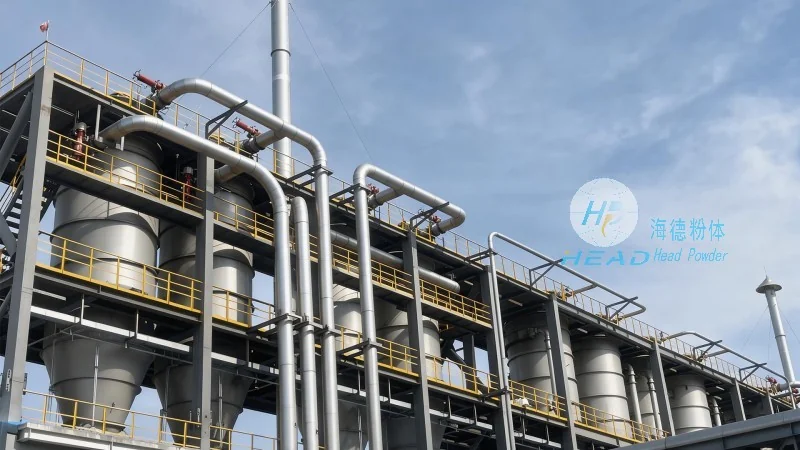
Overview of Cement Fly Ash Pneumatic Conveying Systems
Cement fly ash pneumatic conveying systems are engineered to transport bulk materials such as cement and fly ash from one location to another using air as the conveying medium. These systems are widely adopted in cement plants, power stations, and construction sites due to their ability to handle large volumes of material with minimal maintenance and operational costs. The primary goal of such systems is to ensure efficient material movement while maintaining product quality and environmental compliance.
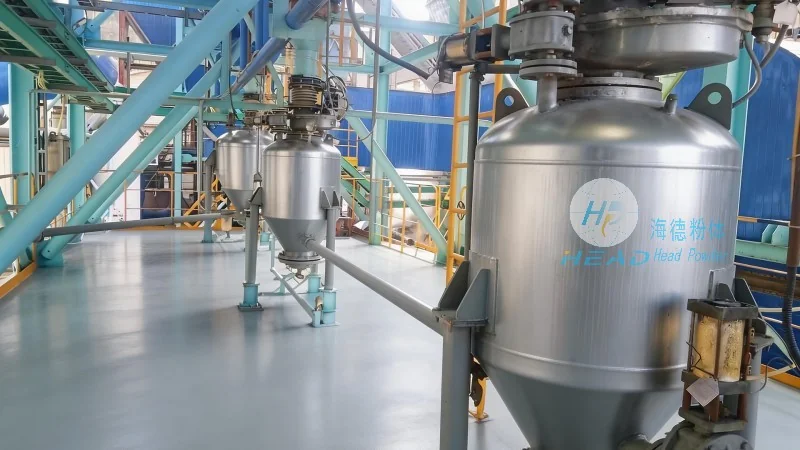
Classification of Cement Fly Ash Pneumatic Conveying Systems
Based on the conveying principle and operational characteristics, cement fly ash pneumatic conveying systems can be classified into several categories. The most common types include:
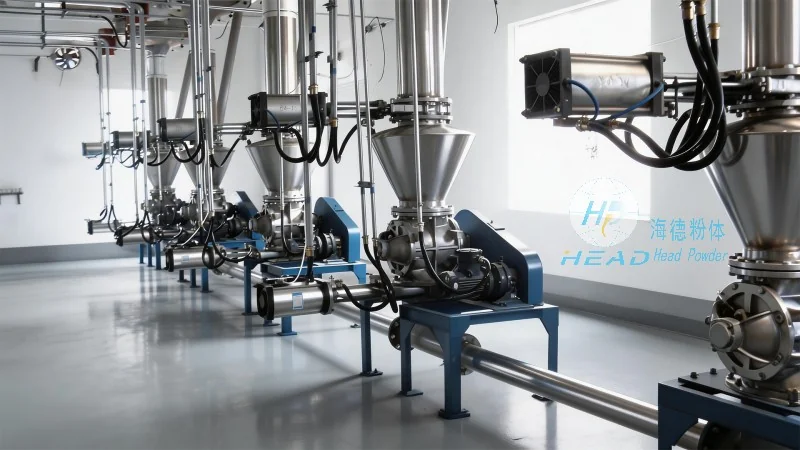
- Positive Pressure Systems: These systems use a blower or compressor to generate positive pressure in the conveying line, pushing the material forward. They are suitable for short to medium distance transport and are commonly used in cement plants for transporting raw materials and finished products.
- Negative Pressure Systems: Also known as suction systems, these use a vacuum pump to create a negative pressure in the line, drawing material from the source. Ideal for long-distance or high-rise applications, they are often employed in power stations for fly ash collection and transport.
- Combined Systems: A hybrid approach that combines both positive and negative pressure elements. This type offers flexibility in handling different material types and distances, making it suitable for complex industrial setups where multiple material sources and destinations are involved.
Key Components of Cement Fly Ash Pneumatic Conveying Systems
The effectiveness of a cement fly ash pneumatic conveying system depends on the integration of several critical components, each designed to optimize performance and reliability. The main components include:
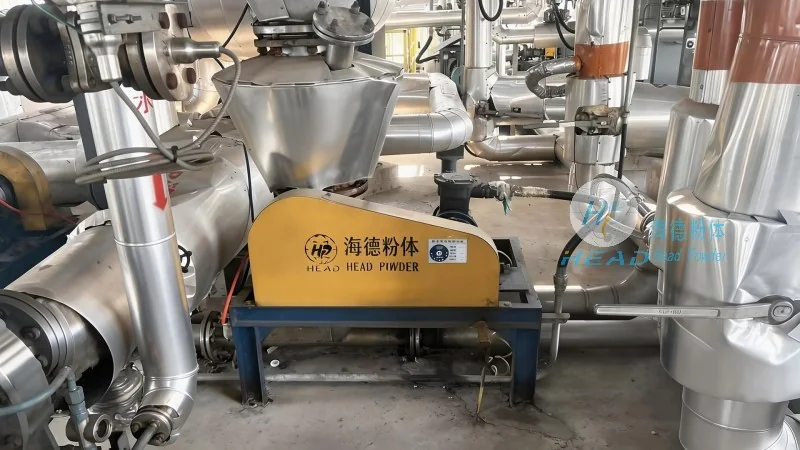
- Conveying Pipelines: Typically made of stainless steel or high-grade plastic, these pipelines are designed to withstand the abrasive nature of cement and fly ash. The diameter and length of the pipelines are carefully selected based on the material flow rate and distance to be covered.
- Gas Source Equipment: This includes blowers, compressors, or vacuum pumps that generate the necessary air pressure or vacuum. The choice of equipment depends on the system type (positive or negative pressure) and the required flow rate. High-efficiency models are preferred to minimize energy consumption and operational costs.
- Material Feeders: These devices, such as rotary valves or screw feeders, ensure a consistent and controlled flow of material into the conveying line. Proper feeding is crucial to prevent blockages and maintain system efficiency.
- Separation and Cleaning Devices: To prevent material buildup and maintain system performance, separation devices like cyclones or filters are used to separate the material from the air stream. Cleaning mechanisms, such as pulse jets or manual cleaning, are also integrated to keep the system operational.
- Control and Monitoring Systems: Modern systems are equipped with advanced control panels and sensors that monitor pressure, flow rate, and material levels in real-time. This allows for automated operation and immediate detection of any issues, ensuring continuous and reliable performance.
Application Examples and Benefits
Cement fly ash pneumatic conveying systems are widely used in various industrial applications, offering several advantages over traditional methods like belt conveyors or trucks. Some key benefits include: