

Choosing Between Positive Pressure and Negative Pressure for Sodium Chloride Pneumatic Conveying: Ho
When it comes to transporting sodium chloride via pneumatic systems, selecting the right pressure type—positive or negative—is crucial. This article explores the key factors that influence this decision and provides guidance on how to differentiate between the two methods.
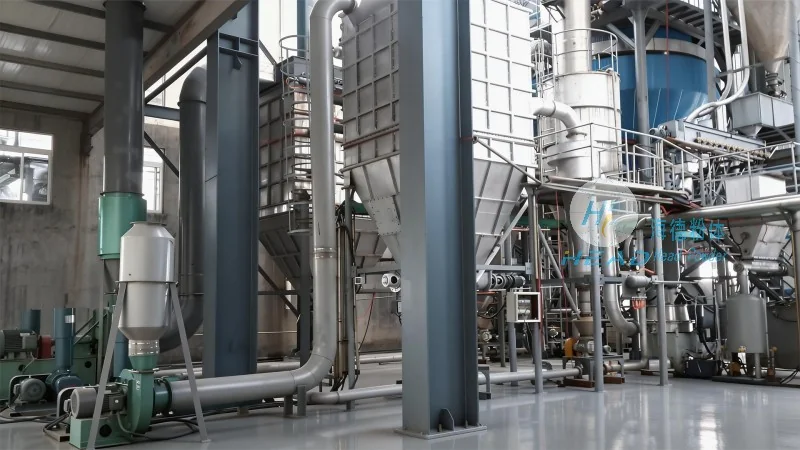
Understanding Positive Pressure Pneumatic Conveying
Positive pressure systems operate by blowing air or gas into the conveying line, creating a pressure higher than the ambient air pressure. This approach is often preferred for sodium chloride handling due to its ability to handle abrasive materials and maintain consistent flow rates. The system typically uses a blower or compressor to generate the necessary pressure, ensuring that the material is propelled through the pipeline. For sodium chloride, which can be a fine or granular substance, positive pressure helps prevent dust accumulation and ensures efficient transport. The equipment used in positive pressure systems includes a hopper, feeder, and the conveying line, all designed to handle the specific characteristics of sodium chloride. This method is particularly effective when the material needs to be transported over long distances or through complex piping networks.

Advantages of Positive Pressure for Sodium Chloride
Positive pressure pneumatic conveying offers several advantages for sodium chloride transport. First, it provides consistent and reliable material flow, which is essential for maintaining production efficiency. The high pressure ensures that the material moves smoothly through the system, reducing the risk of blockages or clogs. Additionally, positive pressure systems can handle a wide range of particle sizes and moisture content, making them versatile for different sodium chloride applications. Another key benefit is the ability to transport materials in a closed system, which helps minimize dust emissions and environmental impact. This is particularly important for sodium chloride, which can be a fine powder that poses respiratory hazards if not handled properly. The closed system also protects the material from contamination, ensuring that the final product meets quality standards. Furthermore, positive pressure systems are generally more energy-efficient compared to negative pressure systems, as they require less power to maintain the pressure. This can lead to cost savings over time, especially for large-scale operations.
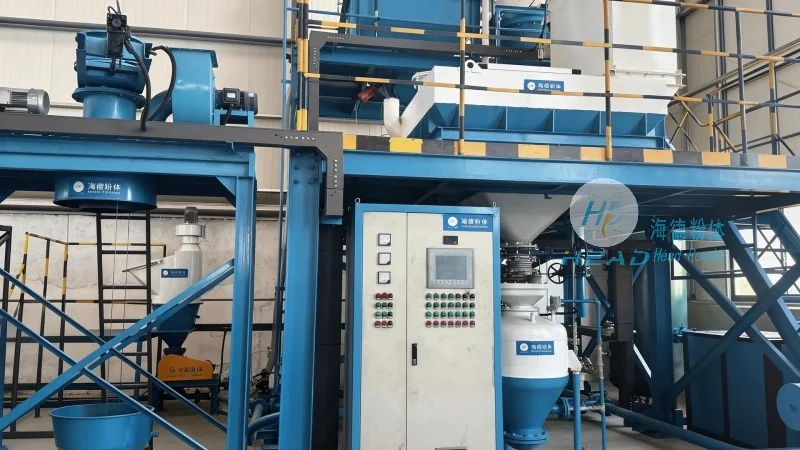
Understanding Negative Pressure Pneumatic Conveying
Negative pressure systems, also known as vacuum or suction systems, operate by creating a vacuum in the conveying line, drawing the material from the source. This method is often used when the material needs to be collected from a distant location or when the source is at a higher elevation. The system uses a vacuum pump to create the suction force, which pulls the material through the pipeline. For sodium chloride, negative pressure systems are suitable for applications where the material is already in a hopper or storage bin and needs to be moved to a processing unit. The key advantage of negative pressure is its ability to handle materials that are prone to dust generation, as the vacuum helps contain the particles. However, negative pressure systems may have limitations in terms of material handling capacity and the distance they can cover. The suction force is generally lower than the pressure in positive systems, which can affect the flow rate and efficiency for certain materials. Additionally, negative pressure systems require careful maintenance to prevent air leaks, which can reduce the efficiency of the vacuum and lead to material loss.
Key Differences Between Positive and Negative Pressure Systems
When deciding between positive and negative pressure for sodium chloride pneumatic conveying, several factors need to be considered. The primary difference lies in the pressure differential: positive pressure uses higher pressure to push the material, while negative pressure uses lower pressure (vacuum) to pull it. This affects the system's ability to handle different material properties, such as particle size, moisture content, and abrasiveness. Positive pressure is generally more effective for abrasive materials like sodium chloride, as the high pressure helps prevent wear and tear on the equipment. Negative pressure, on the other hand, is better suited for materials that are less abrasive and can be easily drawn through the system. Another critical factor is the distance and layout of the conveying line. Positive pressure systems can cover longer distances with higher efficiency, making them ideal for large-scale operations. Negative pressure systems are more suitable for shorter distances or when the material needs to be collected from a specific point. The cost of equipment is also a consideration: positive pressure systems typically require more powerful blowers or compressors, which can increase initial investment. Negative pressure systems use vacuum pumps, which may be less expensive but require more maintenance. Finally, the environmental impact differs between the two methods. Positive pressure systems are more likely to generate dust emissions if not properly sealed, while negative pressure systems are better at containing dust but may require additional filtration to meet environmental regulations.
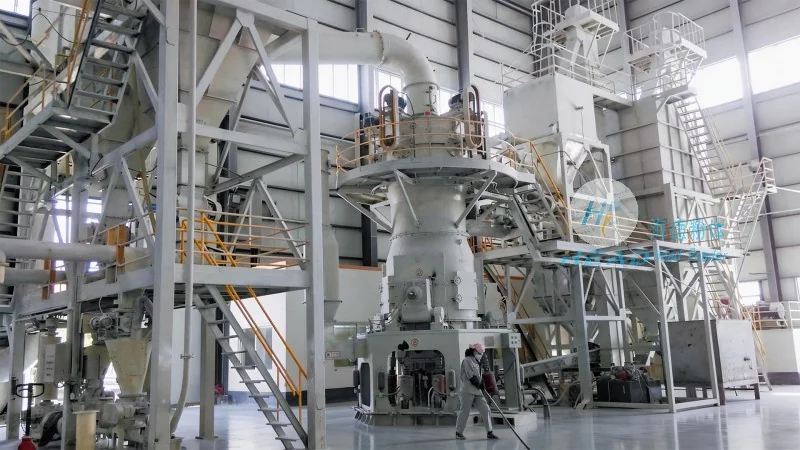
How to Choose the Right System for Sodium Chloride
Selecting the appropriate pneumatic conveying system for sodium chloride involves evaluating several key factors. First, consider the material characteristics: the particle size, moisture content, and abrasiveness of the sodium chloride will determine which system is more suitable. For example, if the sodium chloride is a fine powder with high moisture content, a positive pressure system may be preferred to ensure consistent flow and prevent clogging. If the material is coarse and less abrasive, a negative pressure system could be more effective. Second, assess the distance and layout of the conveying line. Longer distances or complex piping networks may require a positive pressure system to maintain the flow rate. Shorter distances or simple layouts can be handled by negative pressure systems. Third, evaluate the environmental and safety requirements. If dust control is a priority, a positive pressure system with proper sealing may be necessary. If the material is hazardous or needs to be contained, a negative pressure system with filtration may be more appropriate. Fourth, consider the cost implications. The initial investment and operating costs of both systems should be compared to determine the most cost-effective option. Positive pressure systems may have higher upfront costs due to the need for powerful blowers, but they can be more energy-efficient in the long run. Negative pressure systems may have lower initial costs but higher maintenance expenses. Finally, consult with experts from companies like Shandong HeadPowder Engineering Co., Ltd., which specializes in pneumatic conveying solutions. Their expertise can help identify the best system for specific sodium chloride applications, ensuring optimal performance and efficiency.