

Choosing Between Positive and Negative Pressure Conveying for Zinc Oxide: How to Distinguish?
When it comes to transporting zinc oxide via pneumatic conveying systems, the choice between positive pressure and negative pressure conveying is a critical decision that impacts operational efficiency, safety, and overall system performance. Understanding the fundamental differences between these two methods is essential for selecting the most suitable approach for your specific application.
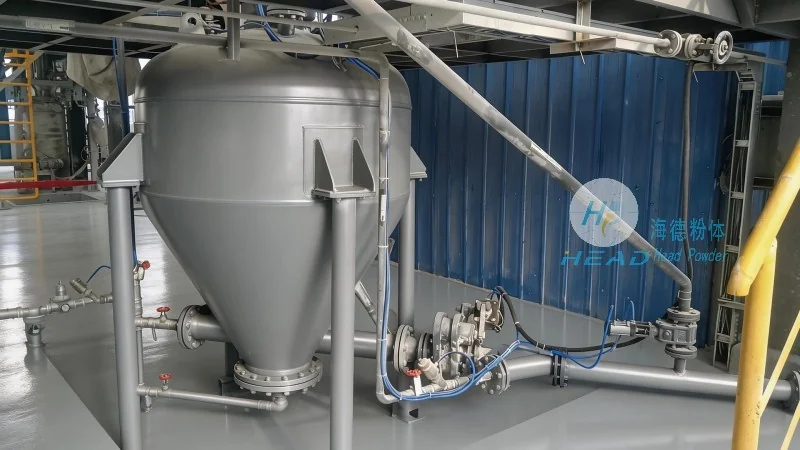
Overview of Pneumatic Conveying Systems for Zinc Oxide
Zinc oxide is widely used in various industries, including pharmaceuticals, ceramics, and rubber manufacturing, due to its unique properties and versatility. The efficient and safe transportation of this material is paramount to maintaining production continuity and product quality. Pneumatic conveying offers a non-contact method of moving bulk materials like zinc oxide, eliminating the need for mechanical components that could cause contamination or damage to the product.
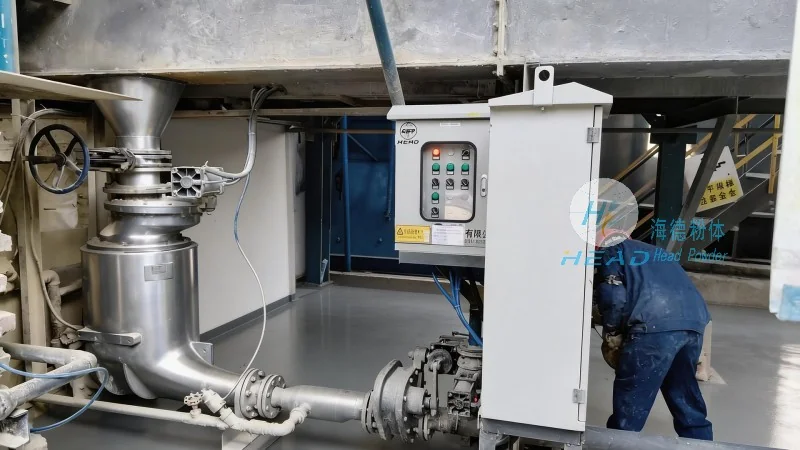
Positive Pressure Conveying: Advantages and Applications
Positive pressure conveying operates by blowing air or gas into the conveying line, creating a pressure higher than the ambient air pressure. This method is particularly effective for transporting zinc oxide over long distances or through complex system layouts. The primary advantages of positive pressure systems include higher conveying velocities, which can reduce system size and improve material flow. Additionally, positive pressure systems are generally more suitable for abrasive or corrosive materials, as the high-pressure air helps to maintain the integrity of the conveying line and prevent material buildup.
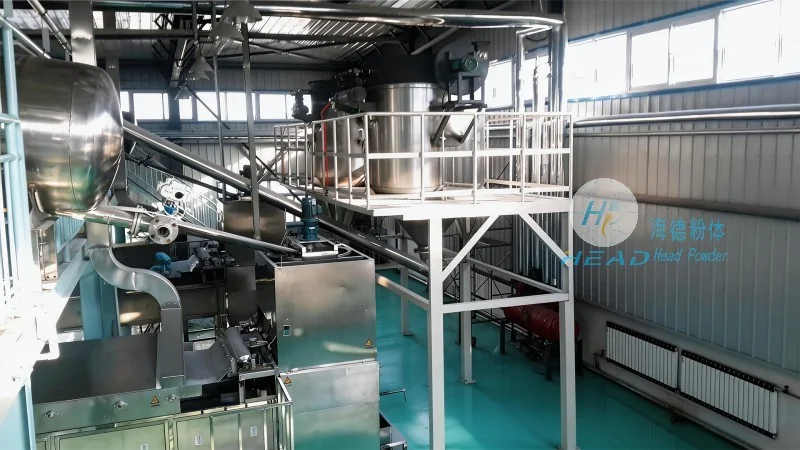
Negative Pressure Conveying: Benefits and Use Cases
Negative pressure conveying, also known as vacuum conveying, works by creating a vacuum in the conveying line, drawing material from the source into the system. This method is often preferred for applications requiring gentle handling of delicate or fine powders, such as zinc oxide, to prevent particle degradation or agglomeration. Negative pressure systems are particularly advantageous for short-distance conveying or when the material source is at a higher elevation than the destination. They also offer better containment of dust and fumes, making them suitable for applications where environmental control is a priority.
Distinguishing Between Positive and Negative Pressure Conveying
The key differences between positive and negative pressure conveying lie in the system's pressure dynamics, material handling characteristics, and operational considerations. For zinc oxide, the choice often depends on factors such as the material's properties (e.g., particle size, moisture content), the distance and layout of the conveying route, and the desired level of dust control. Positive pressure systems are typically more robust and efficient for high-volume, long-distance transport, while negative pressure systems excel in applications requiring gentle handling and better containment.
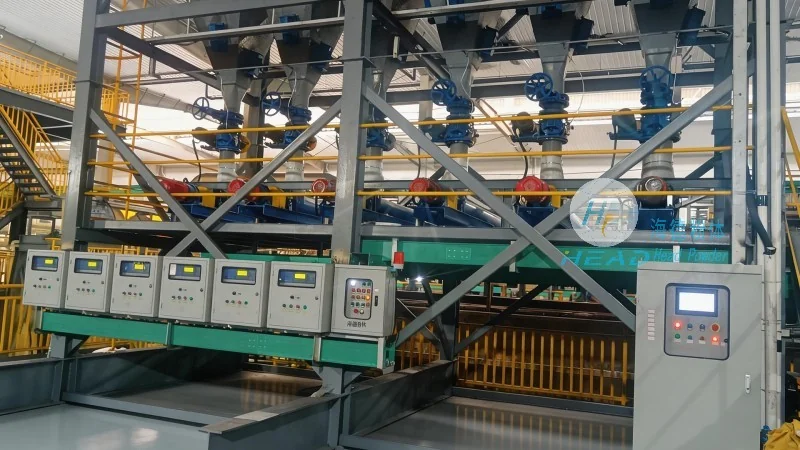
Factors to Consider When Choosing a Conveying System
When selecting between positive and negative pressure conveying for zinc oxide, several factors must be evaluated to ensure optimal performance. First, the material's physical characteristics, including particle size distribution, density, and flowability, play a crucial role. For example, fine zinc oxide powders may require negative pressure systems to avoid clogging or degradation. Second, the system's layout and distance between the source and destination are critical. Long-distance or complex routes often favor positive pressure systems due to their higher conveying velocities. Third, operational safety and environmental considerations are important. Negative pressure systems provide better dust containment, which is beneficial in applications where air quality regulations are stringent. Finally, cost and maintenance requirements should be considered. Positive pressure systems may have higher initial costs and maintenance needs due to the higher air pressure requirements, while negative pressure systems can be more energy-efficient for short-distance transport.