

Preventing Dust Leakage in Pneumatic Conveying Systems for Polycarbonate
Polycarbonate is a widely used engineering plastic known for its high impact resistance, transparency, and durability. However, its fine powder form during processing can pose significant challenges in material handling, particularly when using pneumatic conveying systems. The primary concern is dust leakage, which not only affects workplace safety and air quality but also impacts product purity and system efficiency. This article explores effective strategies and technical solutions provided by Shandong HeadPowder Engineering Co., Ltd. to prevent dust leakage in pneumatic conveying systems when handling polycarbonate.
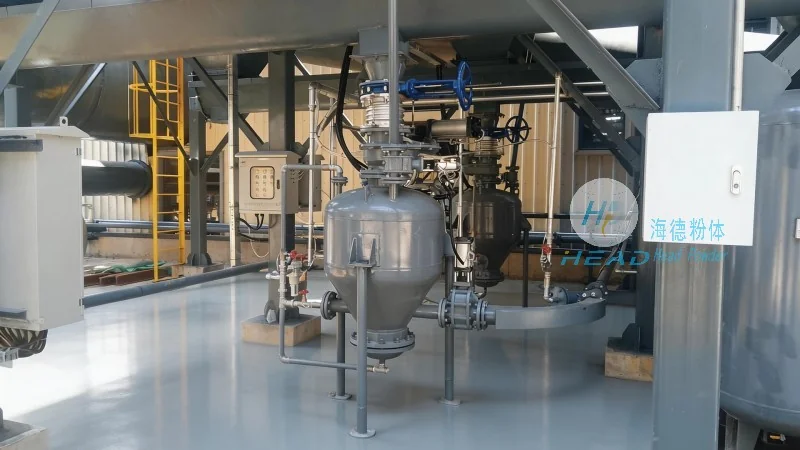
Understanding the Challenges of Polycarbonate Handling with Pneumatic Conveying
Polycarbonate powder, due to its fine particle size and hygroscopic properties, is prone to generating dust during transport. Traditional pneumatic conveying systems may struggle with maintaining airtight seals, leading to dust leakage at connection points, valves, and transfer points. This not only creates an environmental hazard but also reduces the efficiency of the conveying process by causing material loss and system clogging. Therefore, implementing robust dust control measures is essential for industries relying on polycarbonate processing.
Shandong HeadPowder Engineering Co., Ltd.: Expert in Pneumatic Conveying Solutions
Shandong HeadPowder Engineering Co., Ltd., headquartered in Shandong, China, specializes in designing and manufacturing advanced pneumatic conveying systems tailored for high-purity material handling. With years of experience in the field, the company has developed comprehensive solutions to address the unique challenges of polycarbonate transport. Their expertise lies in integrating cutting-edge technologies to ensure minimal dust leakage while maintaining optimal material flow and system performance.
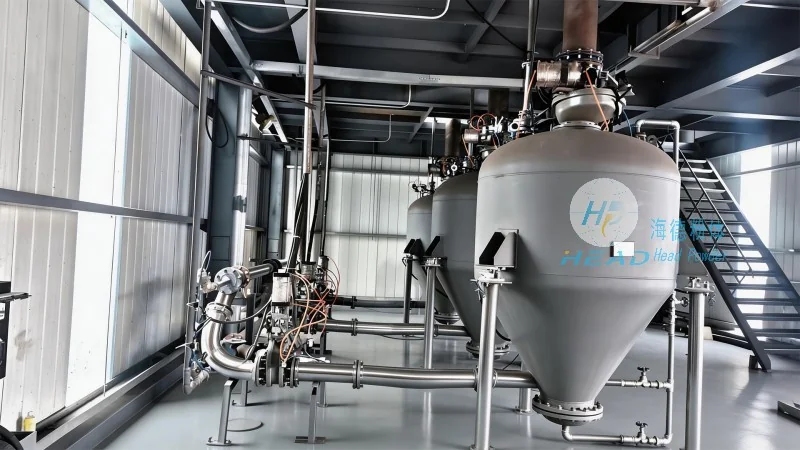
Key Technical Measures to Prevent Dust Leakage
One of the most critical aspects of preventing dust leakage is the design of the conveying system's sealing components. Shandong HeadPowder employs double-seal mechanisms at all critical junctions, such as rotary valves, feeders, and transfer points. These double seals create multiple layers of protection, effectively blocking dust from escaping into the environment. Additionally, the use of high-quality, wear-resistant materials for seals and components ensures long-term durability and consistent sealing performance.
Another crucial element is the integration of efficient dust filtration systems. The company's systems are equipped with advanced high-efficiency particulate air (HEPA) filters that capture fine polycarbonate particles, preventing them from being released into the air. These filters are designed to handle the specific characteristics of polycarbonate dust, ensuring high filtration efficiency without compromising system airflow. Regular maintenance and replacement of filter elements are also recommended to maintain optimal performance.
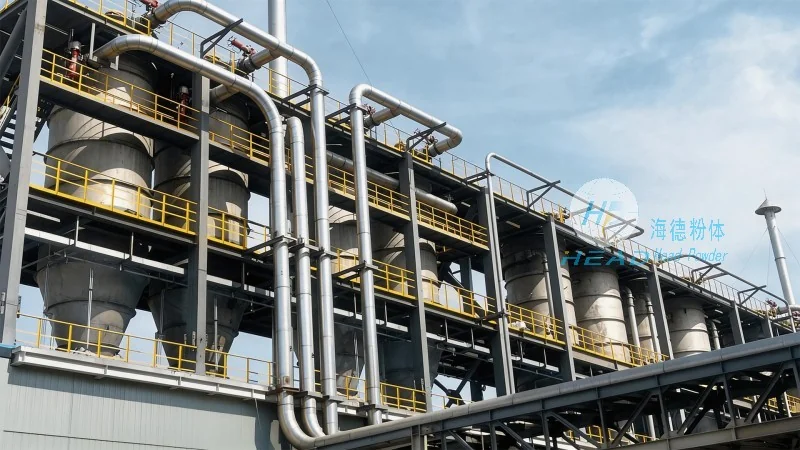
Material selection plays a vital role in minimizing dust generation and leakage. Shandong HeadPowder uses corrosion-resistant and non-stick materials for the conveying pipes and components, which reduces friction and prevents material buildup that could lead to leaks. The systems are also designed with smooth internal surfaces to minimize particle abrasion and dust formation during transport. Furthermore, the company's engineers consider the hygroscopic nature of polycarbonate, incorporating moisture control measures to prevent clumping and dust generation.
Operational Practices for Maintaining Dust-Free Conveying Systems
While technical solutions are essential, proper operational practices are equally important in preventing dust leakage. Regular inspection and maintenance of the pneumatic conveying system are critical. This includes checking for wear and tear on seals, ensuring proper alignment of components, and verifying the integrity of the filtration system. Shandong HeadPowder recommends conducting routine system checks to identify potential issues before they escalate into significant dust leakage problems.
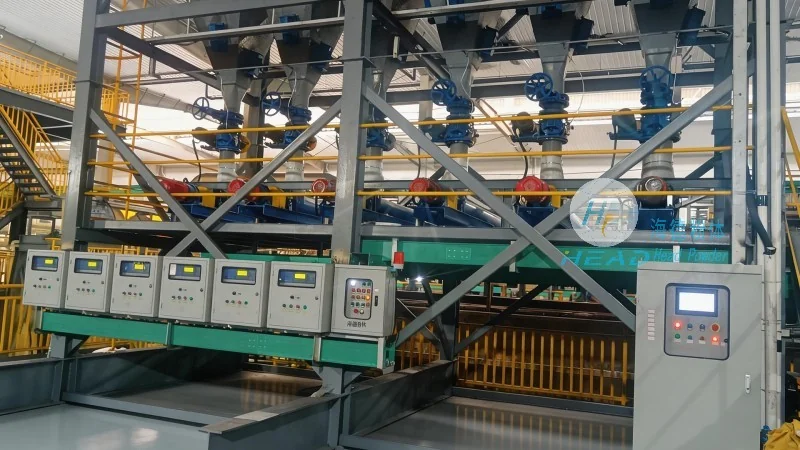
Training personnel on proper system operation and maintenance is another key practice. Operators should be educated on the importance of maintaining consistent airflow, avoiding overloading the system, and promptly addressing any signs of dust leakage. By following these operational guidelines, industries can ensure the long-term effectiveness of their pneumatic conveying systems and maintain a safe working environment.
Conclusion: Ensuring Safe and Efficient Polycarbonate Handling
Preventing dust leakage in pneumatic conveying systems for polycarbonate requires a combination of advanced technical solutions and diligent operational practices. Shandong HeadPowder Engineering Co., Ltd. provides comprehensive solutions that address the unique challenges of polycarbonate handling, ensuring minimal environmental impact and optimal system performance. By implementing robust sealing systems, efficient filtration, and proper material selection, industries can achieve safe and efficient transport of polycarbonate while maintaining product quality and workplace safety.