

Preventing Dust Leakage in Pneumatic Conveying Systems for Cobalt Hydroxide
Shandong HeadPowder Engineering Co., Ltd., commonly known as headpowder, is a leading provider of material handling solutions with its headquarters located in Shandong, China. Specializing in advanced pneumatic conveying systems, headpowder focuses on ensuring safe and efficient transport of materials like cobalt hydroxide, where dust control is a critical concern. This article explores effective strategies and technologies employed by headpowder to mitigate dust leakage during the pneumatic transport of cobalt hydroxide.
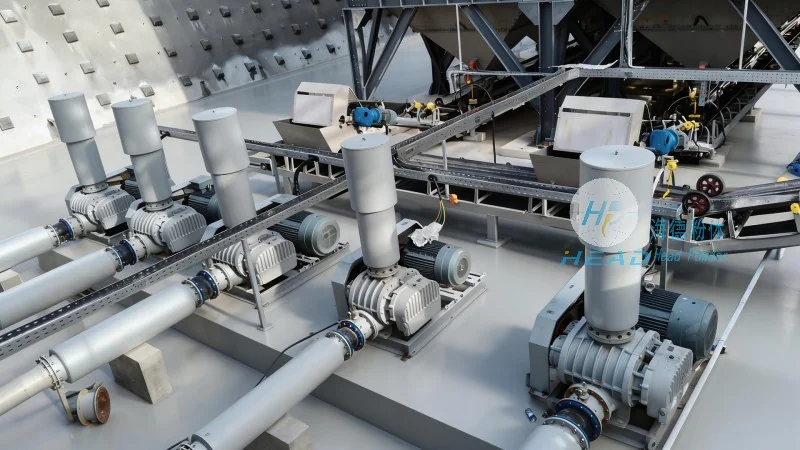
Understanding the Challenges of Cobalt Hydroxide Handling
Cobalt hydroxide is a fine, hygroscopic powder with high reactivity and potential health hazards if not managed properly. Traditional handling methods often lead to dust dispersion, which not only poses respiratory risks to personnel but also affects the purity of the material. Pneumatic conveying systems, while efficient for bulk material transport, introduce unique challenges in maintaining a sealed environment. The primary issues include material abrasion on system components, pressure differentials, and the fine particle size of cobalt hydroxide, all of which contribute to dust leakage points.
Key Technologies for Dust Leakage Prevention
headpowder employs a multi-layered approach to ensure dust containment in pneumatic conveying systems for cobalt hydroxide. The first line of defense is robust sealing mechanisms at critical junctions such as inlet hoppers, transfer points, and discharge outlets. High-quality gaskets and flexible seals are designed to accommodate the mechanical stresses and thermal variations during operation, maintaining a tight seal even under fluctuating pressures.
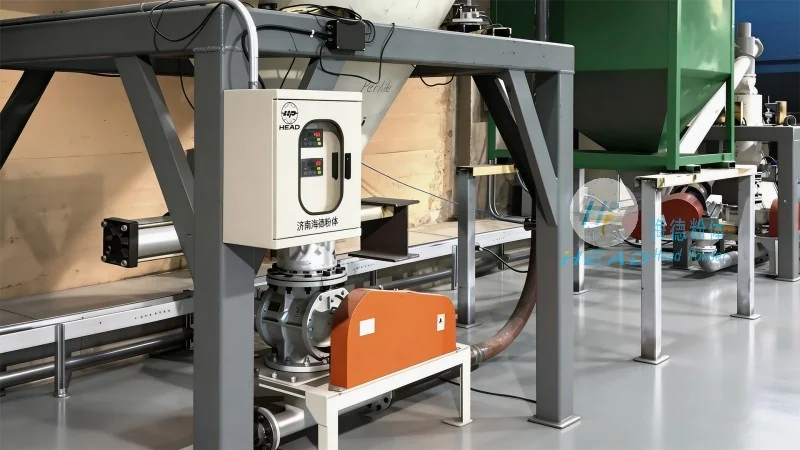
Another critical component is the use of advanced filtration systems. Cyclone separators and bag filters are integrated into the system to capture fine particles before they escape into the environment. These filters are engineered to handle the high dust load and moisture content of cobalt hydroxide, ensuring consistent performance and minimal maintenance. Additionally, the system incorporates pressure relief valves and vacuum breakers to prevent over-pressurization or under-pressurization, which are common causes of dust leakage.
System Design and Material Selection
The design of the pneumatic conveying system itself plays a crucial role in preventing dust leakage. headpowder utilizes a positive pressure conveying method, which maintains a higher pressure inside the system compared to the ambient environment, reducing the risk of external air ingress. The pipeline and component materials are selected for their resistance to corrosion and abrasion, as cobalt hydroxide can be highly abrasive. Stainless steel and specialized alloys are commonly used for high-wear areas, ensuring longevity and maintaining a sealed system.
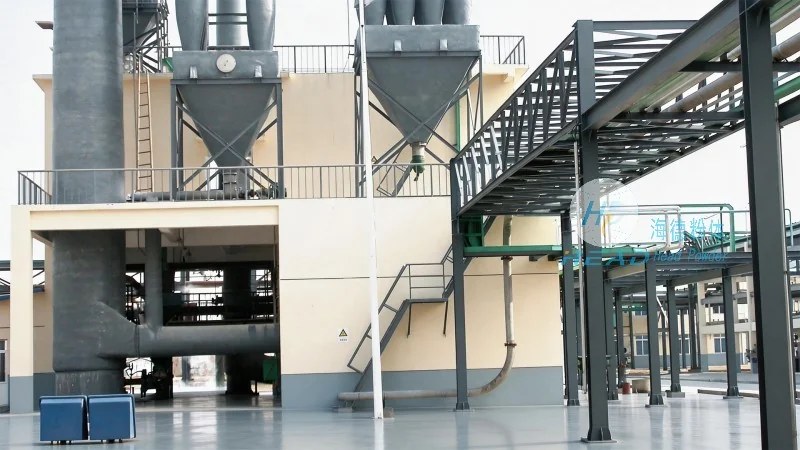
Furthermore, the system incorporates automated monitoring and control systems. Sensors are installed to detect pressure differentials, air leaks, and abnormal particle flow, triggering alerts or automatic adjustments to maintain optimal conditions. This proactive approach helps in early detection of potential leakage points, allowing for timely maintenance and preventing larger scale dust emissions.
Operational Best Practices
Proper operation and maintenance are essential to the effectiveness of dust control measures. headpowder recommends regular inspection of seals, filters, and system components. Routine cleaning of cyclone separators and bag filters ensures they operate at peak efficiency, preventing clogging and pressure buildup. Additionally, training personnel on safe handling procedures and the importance of maintaining system integrity is crucial. By adhering to these best practices, the risk of dust leakage is significantly reduced, ensuring a safe and efficient operation.