

Application and Optimization of Pneumatic Conveying Technology in the Design of Nickel Cobalt Alumin
Shandong HeadPowder Engineering Co., Ltd., a leading provider in the field, specializes in advanced material handling solutions tailored for the lithium ion battery industry. The company, commonly known as HeadPowder, has developed innovative approaches to address the unique challenges associated with transporting Nickel Cobalt Aluminum (NCA) materials, which are critical components in modern high-energy density batteries. This article explores the application and optimization of pneumatic conveying technology in the design of NCA material transport systems, highlighting the technical advancements and practical benefits that enhance efficiency and reliability in battery manufacturing processes.
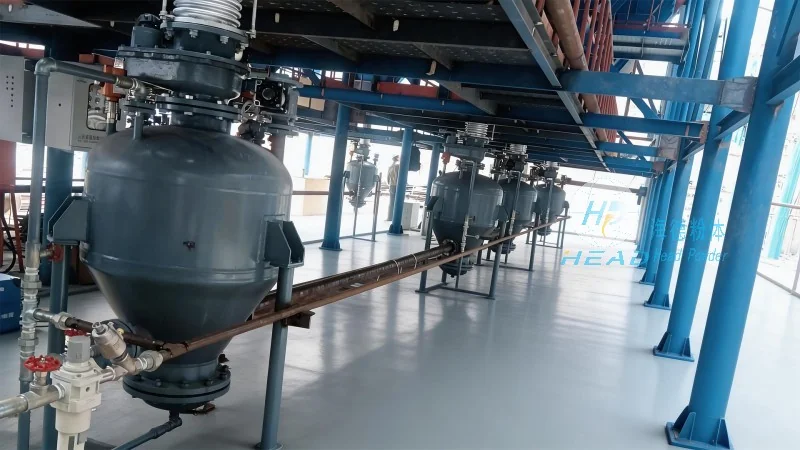
The Importance of NCA Materials in Lithium Ion Batteries
Nickel Cobalt Aluminum (NCA) is a key cathode material used in lithium ion batteries, particularly in applications requiring high energy density and performance. The chemical composition of NCA, typically consisting of nickel, cobalt, aluminum, and lithium, dictates its superior electrochemical properties, making it a preferred choice for electric vehicles and other high-power devices. However, the fine particle size and abrasive nature of NCA powders present significant challenges during material handling. Traditional methods, such as belt conveyors or screw conveyors, often lead to material degradation, blockages, and increased maintenance costs. Pneumatic conveying offers a solution by utilizing air pressure to transport powders in a closed system, minimizing particle attrition and ensuring consistent quality.
Pneumatic Conveying Technology: Principles and Advantages
Pneumatic conveying systems operate by transporting bulk materials through a pipeline using compressed air. There are two primary types: dilute phase and dense phase. Dilute phase systems use low air velocities to move particles in a suspended state, suitable for long-distance transport with minimal pressure drops. Dense phase systems, on the other hand, employ higher air velocities and lower flow rates to maintain particle integrity, ideal for handling sensitive materials like NCA powders. The advantages of pneumatic conveying include high transport capacity, flexibility in system layout, and the ability to handle abrasive or corrosive materials without wear. Additionally, these systems can be integrated with dust collection and filtration equipment, ensuring environmental compliance and product purity.
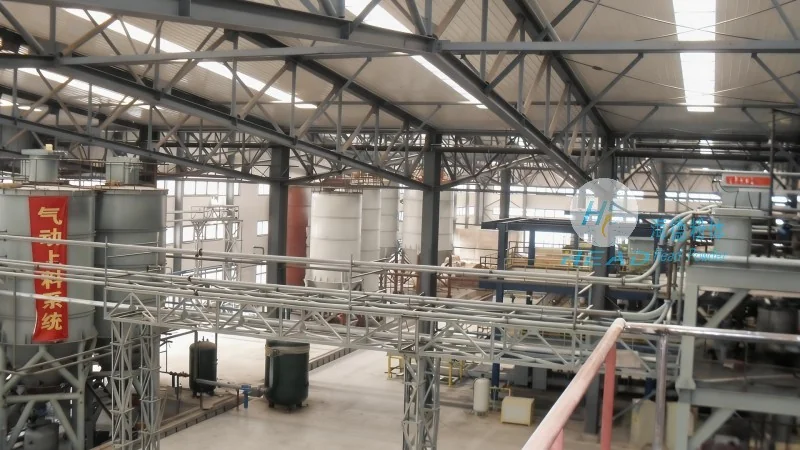
Design Considerations for NCA Material Transport Systems
The design of a pneumatic conveying system for NCA materials requires careful consideration of several factors to ensure optimal performance. First, the particle size distribution and flow properties of the NCA powder must be thoroughly characterized. This information is critical for selecting the appropriate air velocity and pressure to prevent blockages and maintain consistent flow. Second, the system layout must account for the need to minimize pressure losses, as excessive pressure drops can reduce transport efficiency and increase energy consumption. HeadPowder engineers employ computational fluid dynamics (CFD) simulations to model particle behavior and optimize pipeline dimensions, ensuring that the system operates within safe and efficient parameters.
Optimization Strategies for Pneumatic Conveying in NCA Transport
Optimizing pneumatic conveying systems involves a combination of hardware and software solutions. One key strategy is the implementation of variable frequency drives (VFDs) to adjust air pressure and flow rates dynamically, responding to changes in material feed rates. This allows for energy savings while maintaining consistent transport performance. Another optimization technique is the use of in-line mixers and agitators to prevent particle segregation and maintain a uniform material blend. HeadPowder has developed proprietary control algorithms that monitor system parameters in real-time, automatically adjusting settings to compensate for variations in material properties or system wear. Furthermore, the integration of advanced sensors, such as pressure transducers and particle size analyzers, provides continuous feedback on system performance, enabling proactive maintenance and reducing downtime.
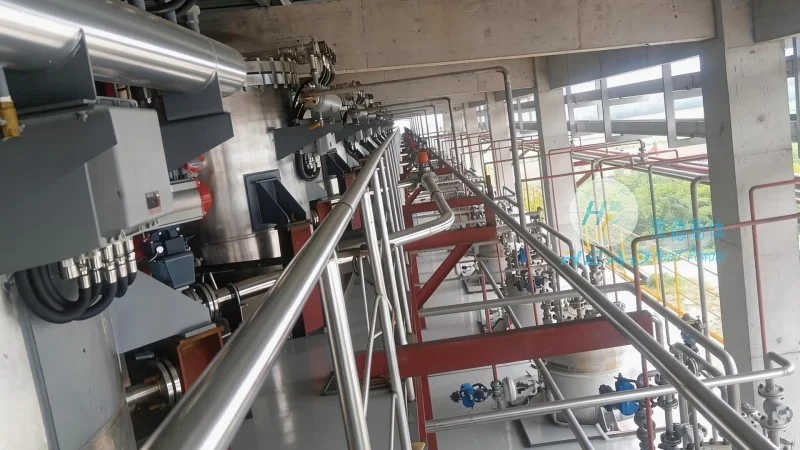
Case Study: HeadPowder's NCA Transport Solution
Shandong HeadPowder Engineering Co., Ltd. recently completed a project for a leading battery manufacturer, where they designed and installed a pneumatic conveying system for NCA material transport. The system was engineered to handle 10 tons per hour of NCA powder over a distance of 200 meters, with a required pressure of 0.8 MPa. The design incorporated dense phase conveying to protect the fine particles from degradation, and the system was equipped with a dust collection unit to meet environmental regulations. During the commissioning phase, the system achieved a transport efficiency of 98%, with minimal pressure drop and no material blockages. The customer reported significant reductions in maintenance costs and improved product quality, as the NCA powder was delivered in a consistent state, free from agglomerates or contamination.
Conclusion and Future Outlook
The application and optimization of pneumatic conveying technology in the design of Nickel Cobalt Aluminum (NCA) material transport systems represent a significant advancement in the lithium ion battery industry. By leveraging advanced engineering principles and proprietary solutions, companies like Shandong HeadPowder Engineering Co., Ltd. are able to address the unique challenges associated with handling NCA powders, ensuring efficient, reliable, and cost-effective material transport. As the demand for high-performance batteries continues to grow, the importance of robust material handling systems will only increase, making pneumatic conveying a critical component in the supply chain. HeadPowder remains committed to innovation, continuously developing new technologies and solutions to meet the evolving needs of the battery industry.