

Pneumatic Conveying Systems: Preventing Dust Leakage During Sodium Chloride Transport
When handling sodium chloride, a common industrial material, the use of pneumatic conveying systems offers efficiency in material transport. However, these systems often face challenges related to dust leakage, which can impact operational safety, environmental compliance, and product quality. Understanding the mechanisms of dust leakage and implementing effective preventive measures is crucial for maintaining a safe and efficient operation. This article explores the key strategies employed by Shandong HeadPowder Engineering Co., Ltd. (headpowder) to mitigate dust leakage in pneumatic conveying systems specifically designed for sodium chloride transport.
Understanding Dust Leakage in Pneumatic Conveying for Sodium Chloride
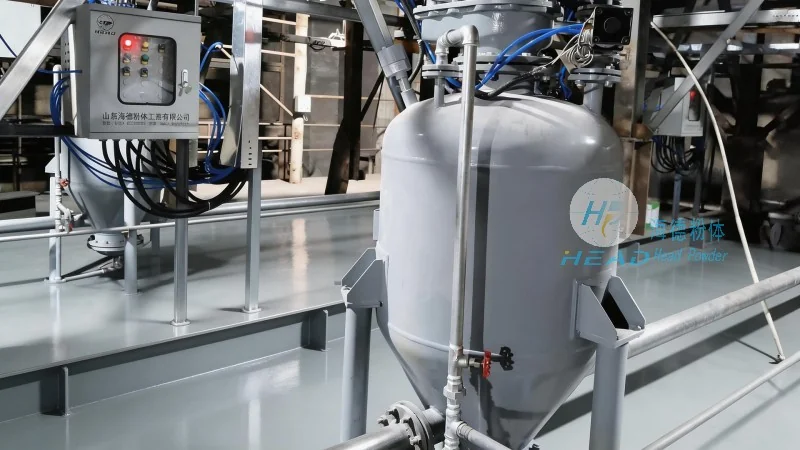
Sodium chloride, also known as table salt, is a fine-grained material that can easily generate dust during handling. In pneumatic conveying systems, dust leakage typically occurs at points of material entry, transfer, and discharge. Common sources include the hopper inlet, rotary valves, and the conveying line itself. The fine particles can escape into the environment, leading to health hazards for personnel and potential contamination of the surrounding area. Additionally, dust accumulation can affect the performance of the system by clogging components or reducing the efficiency of the conveying process. Therefore, addressing dust leakage is a critical aspect of maintaining the integrity and safety of the operation.
Key Solutions by HeadPowder for Dust Leakage Prevention
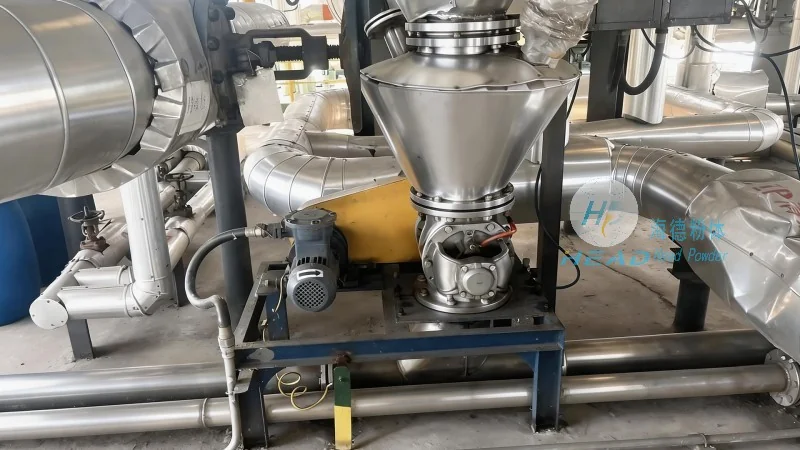
Shandong HeadPowder Engineering Co., Ltd. specializes in the design and manufacturing of advanced pneumatic conveying systems tailored to the unique characteristics of sodium chloride. The company employs several innovative solutions to prevent dust leakage, ensuring that the material is transported safely and efficiently. One of the primary approaches is the implementation of airtight and sealed components throughout the system. This includes using high-quality rotary valves with precise sealing mechanisms that prevent material and air from escaping during operation. The hoppers and feeders are also designed with tight-fitting covers and seals to minimize the entry of ambient air and the escape of dust particles.
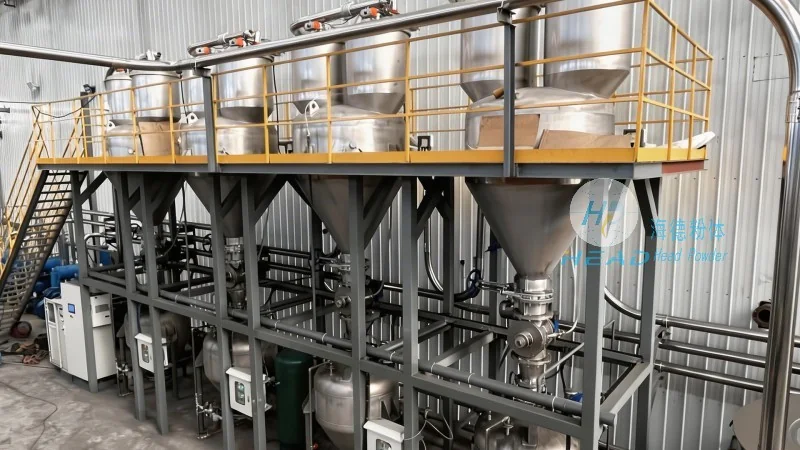
Another critical solution is the use of negative pressure or closed-loop conveying systems. By maintaining a slight vacuum within the conveying line, these systems draw the material into the system without exposing it to the open environment. This method significantly reduces the risk of dust leakage by preventing the material from being expelled into the surroundings. Additionally, headpowder integrates advanced filtration and dust collection systems at the discharge end of the conveying line. These systems capture any residual dust particles, ensuring that the material is delivered in a clean and dust-free state, while also protecting the environment from contamination.
Sealing Technologies and Material Compatibility
HeadPowder's expertise lies in selecting materials and sealing technologies that are compatible with sodium chloride and the operating conditions of the system. The company uses materials such as stainless steel and specialized polymers that are resistant to corrosion and wear caused by the fine particles. The sealing components are designed to withstand the abrasive nature of sodium chloride, ensuring long-term reliability and minimal maintenance. Furthermore, the company conducts thorough testing and validation of its systems to ensure that all sealing points meet or exceed industry standards for dust leakage prevention. This includes pressure testing and leak detection procedures to identify any potential weak points in the system before deployment.
Benefits of Implementing Dust Leakage Prevention Measures
The implementation of effective dust leakage prevention measures by headpowder offers several significant benefits for industrial operations. Firstly, it enhances workplace safety by reducing the exposure of personnel to fine dust particles, which can cause respiratory issues and other health problems. Secondly, it ensures compliance with environmental regulations, as many regions have strict guidelines regarding dust emissions from industrial processes. By minimizing dust leakage, the company helps its clients avoid fines and maintain a positive environmental record. Additionally, the improved sealing and filtration systems contribute to better product quality, as the material is delivered in a clean state without contamination from external sources. This can lead to higher product purity and reduced waste, ultimately improving the overall efficiency and profitability of the operation.
Conclusion and Future Directions
Preventing dust leakage in pneumatic conveying systems when transporting sodium chloride is a complex but essential task. Shandong HeadPowder Engineering Co., Ltd. has developed comprehensive solutions that address the unique challenges of this material. By combining advanced sealing technologies, negative pressure conveying, and effective filtration systems, the company ensures that its clients can operate their systems safely and efficiently. As industrial demands for efficient material handling continue to grow, headpowder remains committed to innovation, developing new technologies and solutions to meet the evolving needs of the industry. The focus on dust leakage prevention not only enhances operational safety but also contributes to a more sustainable and environmentally responsible industrial practice.