

Analysis of Sorghum Pneumatic Conveying Systems
HeadPowder, a leading engineering firm based in Shandong, China, specializes in the design and implementation of advanced pneumatic conveying systems tailored for sorghum handling. This article provides an in-depth look at the technology, benefits, and practical applications of such systems, focusing on how they enhance efficiency and reliability in grain processing operations.
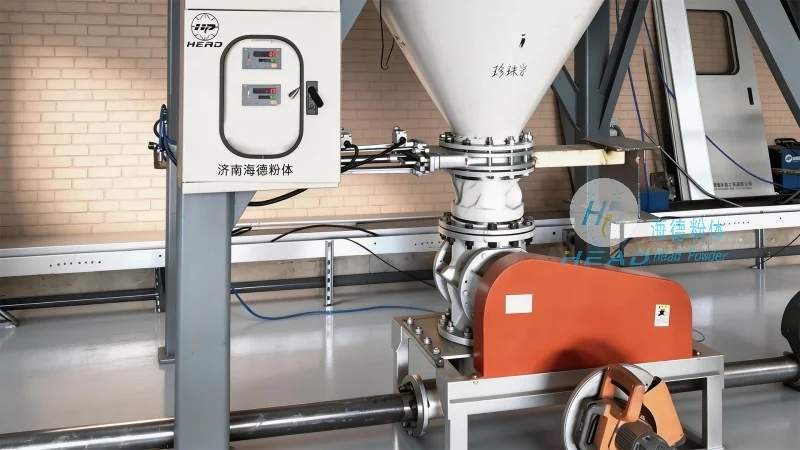
Key Components of a Sorghum Pneumatic Conveying System
The core components of a sorghum pneumatic conveying system include the material feed hopper, air mover (such as a rotary lobe blower or positive displacement blower), conveying line (typically made of stainless steel or plastic), and control valves. The feed hopper ensures a consistent flow of sorghum into the system, while the air mover generates the necessary pressure to transport the grain through the pipeline. The conveying line, often equipped with bends and filters, maintains the integrity of the sorghum and prevents material buildup. Control valves regulate the flow rate and direction, allowing for precise management of the conveying process.
Benefits of Using Pneumatic Conveying for Sorghum
Implementing a pneumatic conveying system for sorghum offers several advantages over traditional methods like bucket elevators or belt conveyors. Firstly, it minimizes product damage by reducing friction and impact during transport. Sorghum, being a delicate grain, benefits from the gentle handling provided by air-based transport. Secondly, the system enhances operational efficiency by allowing for continuous, unattended operation, which is crucial for large-scale processing facilities. Additionally, pneumatic conveying systems are highly flexible, enabling easy integration with existing processing lines and the ability to transport sorghum to multiple destinations within a facility.
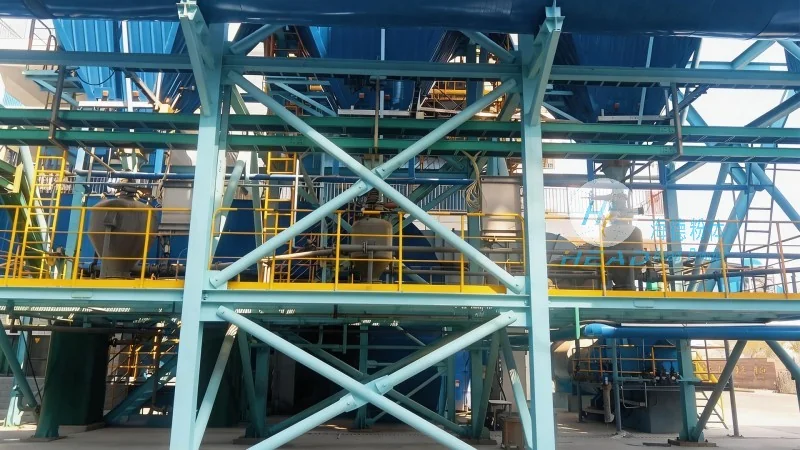
Application Scenarios in Sorghum Processing
Sorghum pneumatic conveying systems are widely used in various stages of the grain processing industry. In milling operations, these systems efficiently transport raw sorghum from storage silos to the milling equipment, ensuring a steady supply of raw material. During the cleaning and grading process, the system can move sorghum through screening and sorting equipment, separating impurities and ensuring product quality. Furthermore, in the production of sorghum-based products like flour or syrup, pneumatic conveying facilitates the transport of intermediate products between processing stages, maintaining hygiene and preventing contamination.
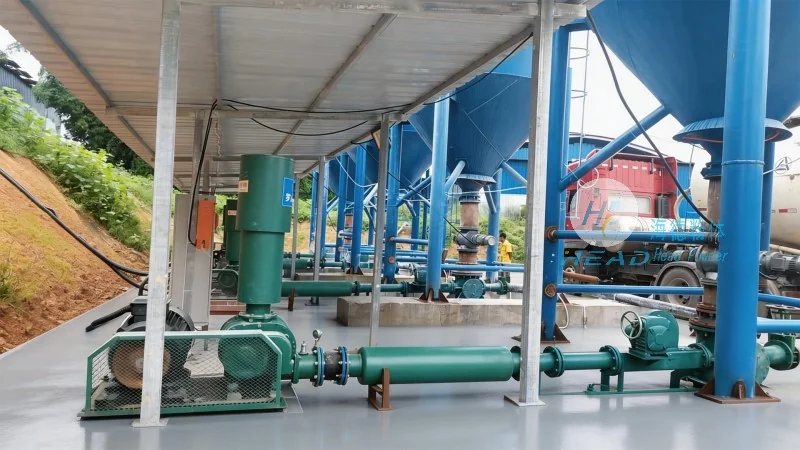
Customization and Design Considerations
HeadPowder Engineering Co., Ltd. offers customized pneumatic conveying solutions tailored to the specific needs of each client. The design process begins with a thorough analysis of the client's processing requirements, including the volume of sorghum to be handled, the distance of transport, and the desired flow rate. Engineers then select the appropriate air mover type and conveying line configuration to meet these specifications. For example, in high-volume applications, a larger rotary lobe blower may be used to generate higher pressure, while in low-volume, long-distance transport, a positive displacement blower might be more suitable. The system's components are also designed with material compatibility in mind, ensuring that the conveying line and other parts are resistant to the acidic or abrasive properties of sorghum, thereby extending the system's lifespan.
Maintenance and Operational Tips
Proper maintenance is essential to ensure the longevity and optimal performance of a sorghum pneumatic conveying system. Regular cleaning of the conveying line and filter systems is crucial to prevent material buildup, which can reduce airflow efficiency and increase energy consumption. The air mover and control valves should be inspected periodically for wear and tear, with replacement of worn parts as needed. Additionally, monitoring the system's pressure and flow rates can help identify potential issues early, such as blockages or leaks, which can be addressed before they cause significant downtime. HeadPowder provides comprehensive maintenance services and technical support to clients, ensuring that their pneumatic conveying systems operate at peak efficiency.