

Analysis of Mung Bean Pneumatic Conveying Systems
HeadPowder, a leading engineering firm based in Shandong, China, specializes in the design and implementation of efficient mung bean pneumatic conveying systems. This article provides a detailed analysis of such systems, focusing on their functionality, benefits, and the technical aspects that make them suitable for mung bean processing operations.
Understanding Pneumatic Conveying Technology
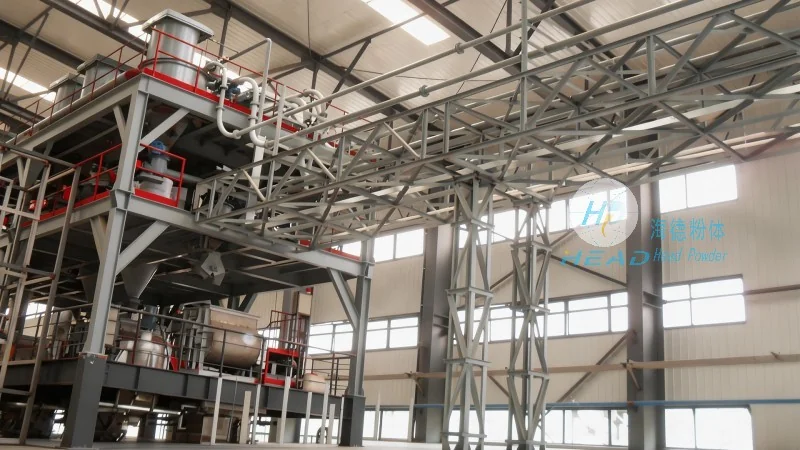
Pneumatic conveying systems utilize air or gas to transport bulk materials like mung beans through a pipeline network. Unlike traditional mechanical conveying methods, these systems offer advantages such as reduced contamination risk, lower maintenance requirements, and the ability to handle materials with high moisture content or delicate characteristics. The core components of a pneumatic conveying system typically include a hopper for material storage, a feeder to control the flow rate, a compressor to generate the necessary air pressure, and a pipeline system that transports the material to the destination point. For mung bean applications, the system must be designed to handle the specific properties of the beans, including their size, density, and susceptibility to breakage during transport.
Key Components of a Mung Bean Pneumatic Conveying System
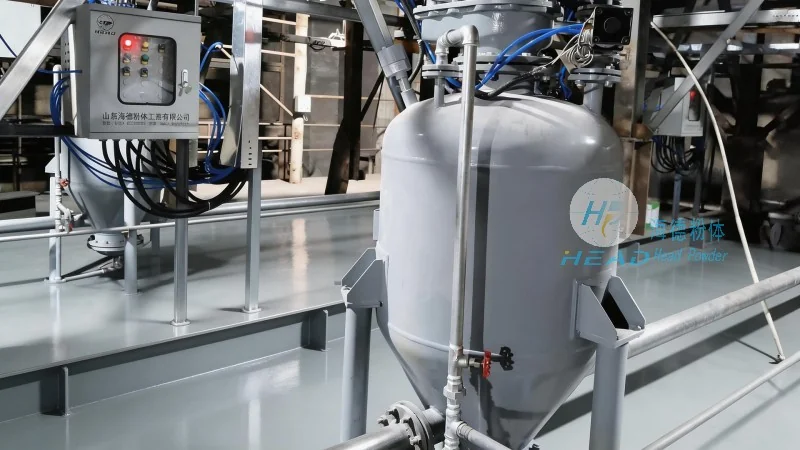
The effectiveness of a mung bean pneumatic conveying system depends on the integration of several critical components. The hopper serves as the primary storage vessel, ensuring a consistent supply of mung beans to the feeder. The feeder, often a rotary valve or a screw feeder, regulates the material flow into the pipeline, preventing overloading and maintaining a steady air-mass ratio. The compressor, which can be a positive displacement or centrifugal type, generates the air pressure required to move the beans through the system. The pipeline system, constructed from materials like stainless steel or food-grade plastic, must be designed to withstand the pressure and prevent material leakage. Additionally, a filter system is essential to capture any fine particles or dust that may be generated during the conveying process, ensuring the air discharged is clean and safe for the environment.
Advantages of Using Pneumatic Conveying for Mung Beans
Implementing a pneumatic conveying system for mung bean processing offers several significant advantages. First, it minimizes the risk of contamination from external sources, as the entire system is enclosed and isolated from the environment. This is particularly important for food-grade products like mung beans, where hygiene standards are paramount. Second, the system reduces the need for manual handling, which not only improves operational efficiency but also enhances workplace safety by eliminating the risk of injury from lifting heavy bags or sacks. Third, pneumatic conveying systems are highly flexible, allowing for easy integration with existing processing lines and the ability to transport materials over long distances without the need for intermediate storage or transfer points. Finally, these systems are energy-efficient compared to traditional methods, as they can optimize the air flow and pressure to achieve the desired conveying rate with minimal energy consumption.
Design Considerations for Mung Bean Pneumatic Conveying
When designing a mung bean pneumatic conveying system, several factors must be carefully considered to ensure optimal performance and longevity. The first consideration is the material properties of the mung beans, including their size distribution, moisture content, and density. These characteristics influence the air-mass ratio required for effective transport, as well as the potential for material degradation during conveying. The second factor is the system layout, which must account for the distance between the source and destination points, the number of transfer points, and the need for vertical or horizontal transport. The third consideration is the choice of equipment, such as the type of compressor, the material of the pipeline, and the design of the hopper and feeder. For mung beans, stainless steel is often preferred for the pipeline and hopper due to its corrosion resistance and food-grade compliance. The feeder must be designed to handle the specific flow characteristics of the beans, preventing clogging or uneven flow. Finally, the system must be equipped with monitoring and control systems to ensure consistent performance and allow for adjustments based on operational conditions.
Applications and Use Cases
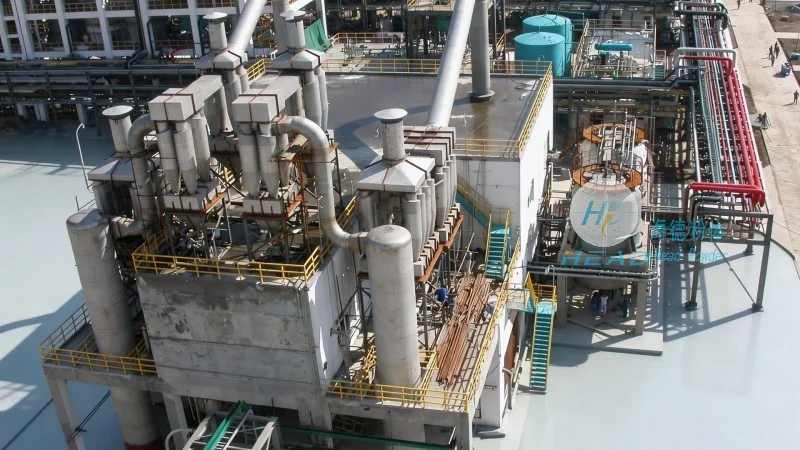
Mung bean pneumatic conveying systems are widely used in various stages of mung bean processing, from raw material handling to finished product packaging. In the raw material stage, the system can transport mung beans from storage silos or bags into processing facilities, ensuring a continuous supply of material for grinding, sorting, or cleaning operations. During processing, the system can convey the beans through different stages, such as washing, drying, or dehulling, without the need for manual transfer. In the final stages, the system can transport the processed mung beans to packaging lines, where they are packaged into bags or containers for distribution. The flexibility of pneumatic conveying systems makes them suitable for both small-scale and large-scale operations, allowing businesses to scale their processing capacity as needed.
Conclusion
HeadPowder's expertise in designing and implementing mung bean pneumatic conveying systems ensures that businesses can achieve efficient, hygienic, and cost-effective material handling solutions. By leveraging advanced engineering principles and adhering to industry standards, these systems provide reliable performance and contribute to the overall productivity of mung bean processing operations. As the demand for high-quality mung bean products continues to grow, the adoption of pneumatic conveying technology will remain a critical factor in meeting the needs of the industry.