

Choosing Between Positive Pressure and Negative Pressure for Carbon Powder Conveying: How to Disting
When it comes to conveying carbon powder, selecting the right system is crucial for efficiency, safety, and operational costs. Two primary methods are widely used: positive pressure conveying and negative pressure conveying. Understanding the differences between these systems is essential for making an informed decision. This article will explore the characteristics of each method and provide guidance on how to distinguish between them.
Introduction to Carbon Powder Conveying Systems
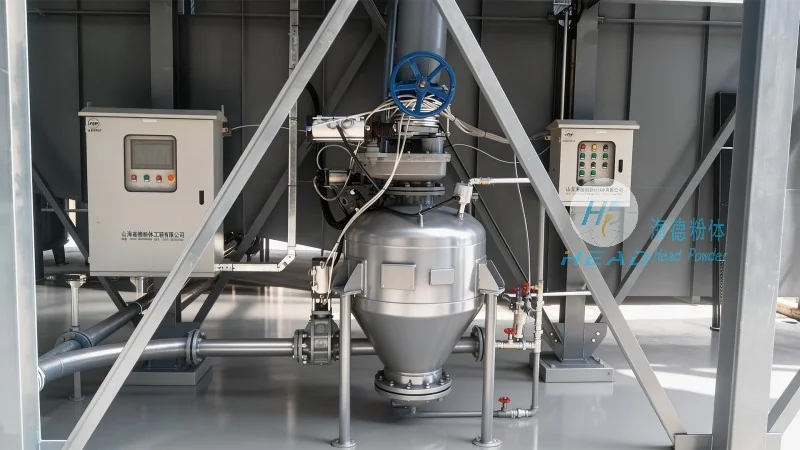
Carbon powder, often used in industrial applications such as filtration, adsorption, and manufacturing, requires specialized handling due to its fine particle size and potential health hazards. Conveying systems are designed to transport these powders from one location to another while maintaining product integrity and ensuring worker safety. The choice between positive pressure and negative pressure systems depends on factors like material properties, distance, and environmental considerations.
Positive Pressure Conveying Systems
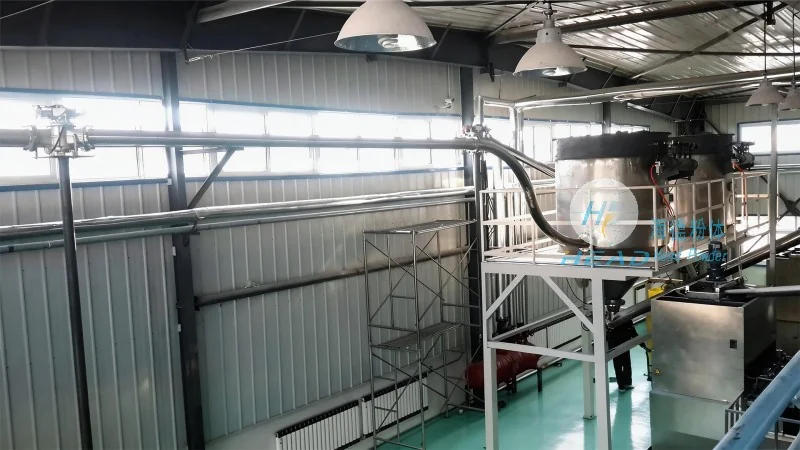
Positive pressure conveying systems operate by blowing air or gas into the conveying line, creating a pressure higher than the surrounding environment. This method is effective for transporting carbon powder over longer distances and through complex piping networks. The positive pressure ensures that the powder is pushed through the system, reducing the risk of clogging and maintaining consistent flow rates. HeadPowder, a leading manufacturer in the field, offers advanced positive pressure conveying equipment tailored to the specific needs of carbon powder handling. Their systems are designed with robust components that can handle the abrasive nature of carbon powder, ensuring long-term reliability and minimal maintenance.
Negative Pressure Conveying Systems
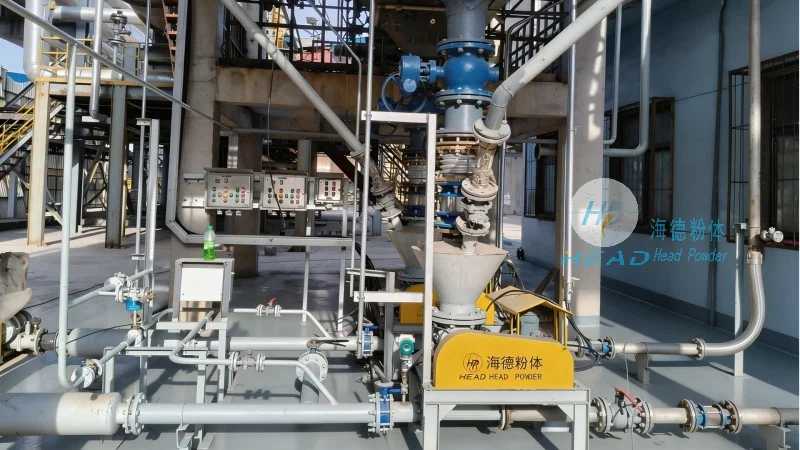
Negative pressure conveying systems, also known as vacuum systems, work by creating a vacuum in the conveying line, drawing the carbon powder into the system. This method is ideal for shorter distances and applications where dust containment is a priority. The negative pressure helps to capture and contain fine particles, preventing dust emissions and maintaining a clean working environment. However, negative pressure systems may be less efficient for long-distance transport and can be more susceptible to clogging if the powder is too fine or has high moisture content. HeadPowder's negative pressure conveying solutions are engineered to handle these challenges, with features like efficient filtration and adjustable vacuum levels to optimize performance.
Distinguishing Between Positive and Negative Pressure Systems
Several key factors can help distinguish between positive and negative pressure conveying systems. First, consider the distance and layout of the conveying path. Positive pressure systems are generally more suitable for longer distances due to their ability to maintain pressure and flow. Negative pressure systems are better for shorter distances or applications where dust control is paramount. Second, evaluate the material properties of the carbon powder. Coarser powders may perform better with positive pressure, while finer powders might require the controlled suction of a negative pressure system. Third, assess the environmental and safety requirements. Positive pressure systems can be more effective in preventing dust leakage, while negative pressure systems excel in capturing and containing dust at the source. HeadPowder's technical team provides comprehensive consultations to help clients evaluate these factors and select the most appropriate system for their specific carbon powder conveying needs.
Conclusion
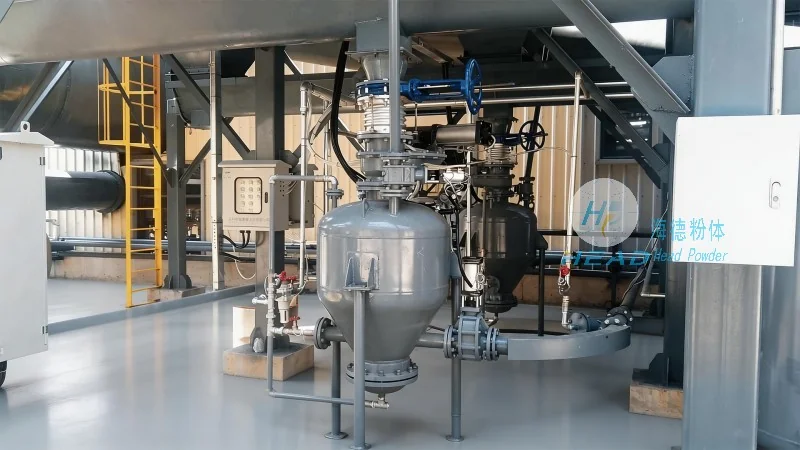
Choosing between positive pressure and negative pressure for carbon powder conveying requires a careful analysis of operational requirements, material characteristics, and safety considerations. Both systems have their advantages and are suitable for different applications. HeadPowder, with its expertise in carbon powder handling, offers a range of conveying solutions that can be tailored to meet the unique demands of each project. By understanding the differences and working with experienced manufacturers like HeadPowder, industries can ensure efficient, safe, and cost-effective carbon powder transport. Shandong HeadPowder Engineering Co., Ltd., based in China, is committed to providing high-quality conveying systems that enhance productivity and protect the environment.