

Choosing Between Positive Pressure and Negative Pressure for Calcium Powder Conveying: How to Distin
When it comes to transporting calcium powder, selecting the right conveying method is crucial for ensuring efficiency, safety, and cost-effectiveness. Two primary methods are widely used in the industry: positive pressure conveying and negative pressure conveying. Understanding the differences between these two approaches is essential for making an informed decision that aligns with your operational needs. This article will explore the key aspects of both positive and negative pressure systems, helping you distinguish between them and choose the most suitable option for your calcium powder handling requirements.
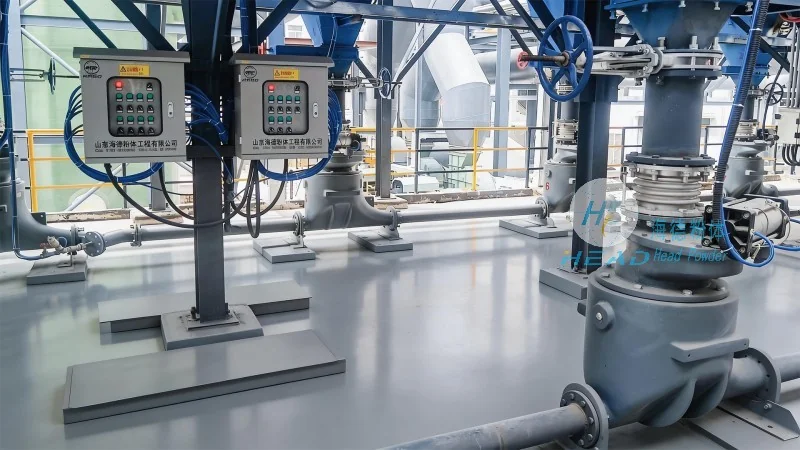
Understanding Positive Pressure Conveying for Calcium Powder
Positive pressure conveying systems operate by blowing air or gas into the material stream, creating a pressure that pushes the powder through the conveying line. This method is often preferred for calcium powder due to its ability to handle abrasive or sticky materials without causing excessive wear on equipment. The positive pressure system ensures that the material is continuously moved forward, preventing blockages and maintaining a consistent flow rate. For calcium powder, which can be fine and prone to dusting, positive pressure systems are effective in controlling dust and maintaining a clean working environment. The equipment used in positive pressure conveying typically includes blowers, ducts, and cyclone separators, all designed to handle the specific characteristics of calcium powder. This approach is particularly suitable for applications where the powder needs to be transported over longer distances or through complex piping networks. The positive pressure method also allows for better control over the material's velocity and pressure, ensuring that the powder reaches its destination without degradation or loss of quality.
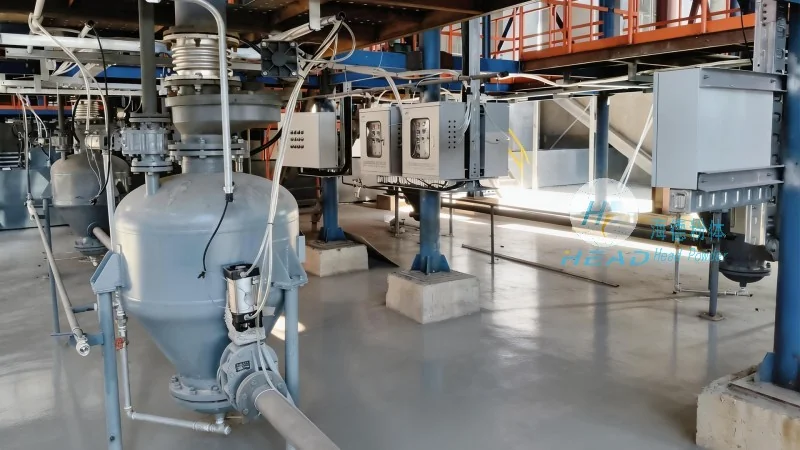
Exploring Negative Pressure Conveying for Calcium Powder
Negative pressure conveying, also known as suction or vacuum conveying, works by creating a vacuum in the conveying line, which draws the calcium powder into the system. This method is often used for materials that are light, fine, or have a tendency to create dust. Negative pressure systems are generally more flexible and can handle a wider range of particle sizes compared to positive pressure systems. They are particularly effective for short-distance conveying or when the powder needs to be collected from multiple points. The negative pressure approach reduces the risk of material spillage and is often quieter than positive pressure systems. However, it may require more maintenance as the suction equipment is more prone to clogging with fine particles. For calcium powder, negative pressure conveying can be advantageous in applications where the powder is being transferred from a storage bin or hopper to a processing unit, as it allows for gentle handling and minimal disruption to the material's structure. The vacuum system in negative pressure conveying helps in maintaining the integrity of the calcium powder, preventing agglomeration and ensuring that the material remains in a free-flowing state throughout the process.
Distinguishing Between Positive and Negative Pressure Systems
When deciding between positive and negative pressure conveying for calcium powder, several factors need to be considered. The first is the distance and layout of the conveying system. Positive pressure systems are generally more suitable for longer distances due to their ability to maintain pressure and flow. Negative pressure systems are better for shorter distances or when the material needs to be collected from multiple sources. Another key factor is the material's properties, such as particle size, moisture content, and abrasiveness. Calcium powder, being fine and potentially abrasive, may benefit more from the robust design of positive pressure systems, which can handle higher pressures and prevent clogging. However, if the application involves gentle handling and minimal dust generation, negative pressure systems may be preferred. The cost and maintenance requirements also play a significant role. Positive pressure systems may require more powerful blowers and more robust ductwork, leading to higher initial costs but potentially lower maintenance over time. Negative pressure systems, while often less expensive to install, may require more frequent cleaning and maintenance to prevent clogging. Additionally, the environmental considerations should be taken into account. Positive pressure systems can be more effective in controlling dust and preventing emissions, which is important for compliance with environmental regulations. Negative pressure systems, on the other hand, may require additional filtration to ensure that the vacuum does not release dust into the environment.
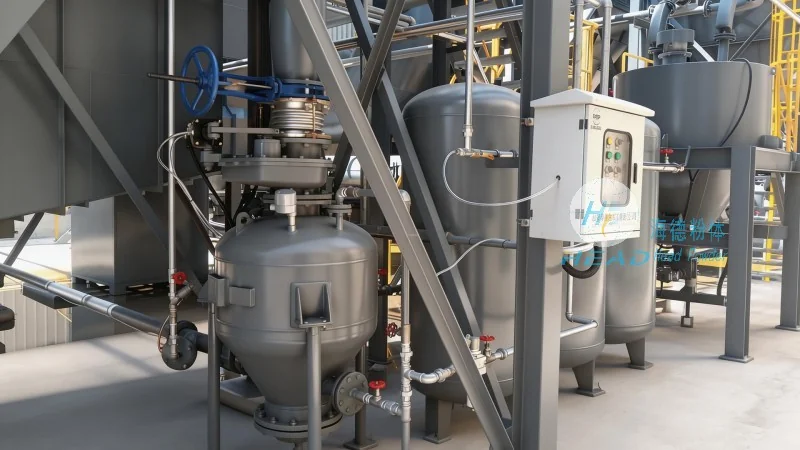
Choosing the Right Conveying System with HeadPowder
At Shandong HeadPowder Engineering Co., Ltd., we specialize in providing tailored conveying solutions for calcium powder handling. Our team of experts understands the unique challenges associated with calcium powder, including its fine particle size, potential for dusting, and abrasive nature. We offer both positive and negative pressure conveying systems, designed to meet the specific needs of your operation. Whether you require a long-distance positive pressure system or a short-distance negative pressure system, our solutions are engineered for efficiency, reliability, and durability. Our equipment is manufactured with high-quality materials to withstand the demands of calcium powder, ensuring long-term performance and minimal downtime. We also provide comprehensive support, including installation, maintenance, and technical assistance, to help you optimize your conveying process. By choosing HeadPowder, you can be confident that your calcium powder conveying system will be designed and implemented to meet the highest standards of performance and safety. Our commitment to quality and customer satisfaction ensures that you receive a solution that not only meets but exceeds your expectations. Whether you are in the food, pharmaceutical, or industrial sector, our conveying systems are designed to handle the unique requirements of calcium powder, providing you with a reliable and efficient solution for your material handling needs.