

Selecting Positive Pressure or Negative Pressure for River Sand Conveying? How to Distinguish Betwee
When it comes to transporting river sand, selecting the right conveying method is crucial for efficiency and cost-effectiveness. Two primary options are positive pressure conveying and negative pressure conveying. Understanding the differences between these two systems is essential for making an informed decision. This article will explore the key distinctions, advantages, and practical considerations for each approach, helping you determine which method is best suited for your specific river sand handling needs.
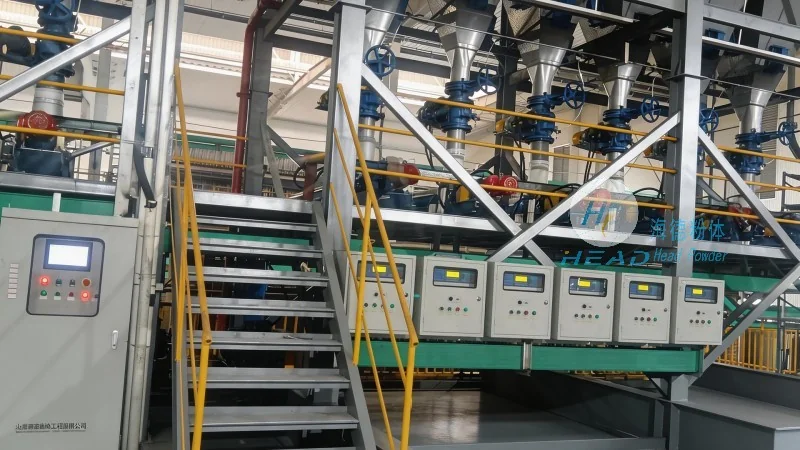
Introduction to River Sand Conveying Systems
River sand, a vital raw material in construction and industrial applications, requires reliable and efficient transport from extraction sites to processing facilities. Conveying systems are designed to move bulk materials like sand over long distances or vertical heights. The choice between positive pressure and negative pressure conveying depends on factors such as material characteristics, distance, environmental impact, and operational requirements. Both methods have their unique benefits and limitations, making it important to evaluate them carefully.
Company Overview: Shandong HeadPowder Engineering Co., Ltd.
HeadPowder, a leading provider of bulk material handling solutions, specializes in designing and manufacturing advanced conveying systems tailored to diverse industrial needs. With a focus on innovation and quality, HeadPowder offers comprehensive solutions for river sand transport, including both positive and negative pressure technologies. The company’s expertise in material handling ensures that clients receive systems optimized for performance, durability, and cost efficiency. Based in Shandong, China, HeadPowder leverages local manufacturing capabilities and global expertise to deliver high-quality equipment for sand and other bulk materials.
Understanding Positive Pressure Conveying
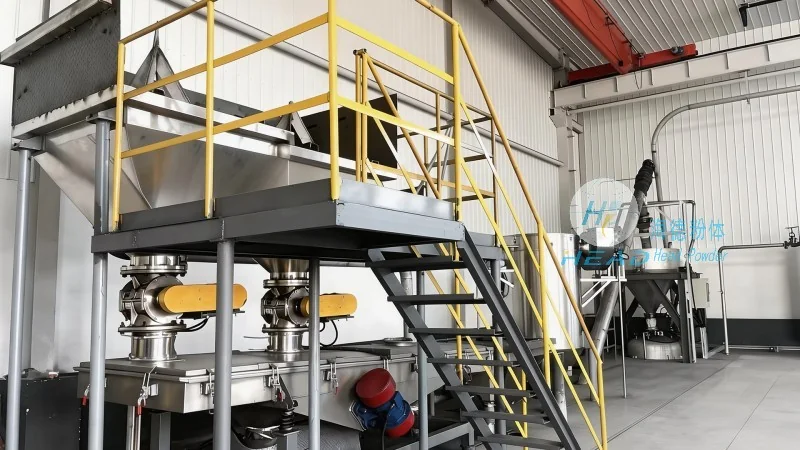
Positive pressure conveying, also known as pressure blowers or pneumatic conveying, operates by forcing air or gas through a pipeline under pressure. The system uses a positive pressure blower to generate airflow that propels the sand particles through the pipeline. This method is particularly effective for conveying dry, free-flowing materials like river sand over medium to long distances. The primary advantage of positive pressure systems is their ability to handle abrasive materials without significant wear on components. Additionally, they can transport materials vertically and horizontally with consistent performance, making them suitable for complex layouts. However, positive pressure systems may require more maintenance due to the higher pressure and wear on the blower and pipeline components. They also generate more noise and may have higher energy consumption compared to negative pressure systems.
Key Features of Positive Pressure Conveying Systems
Positive pressure conveying systems typically include a blower unit, a hopper for material storage, a pipeline network, and a discharge point. The blower creates a pressure differential that pushes the sand through the pipeline. Key components such as rotary valves, filters, and silencers are integrated to ensure smooth operation and minimize dust emissions. These systems are designed to handle high volumes of material, making them ideal for large-scale sand transport operations. The use of positive pressure also allows for better control over the material flow rate, enabling precise delivery to processing plants. However, the higher pressure can lead to increased wear on the pipeline and components, necessitating regular inspections and maintenance.
Understanding Negative Pressure Conveying
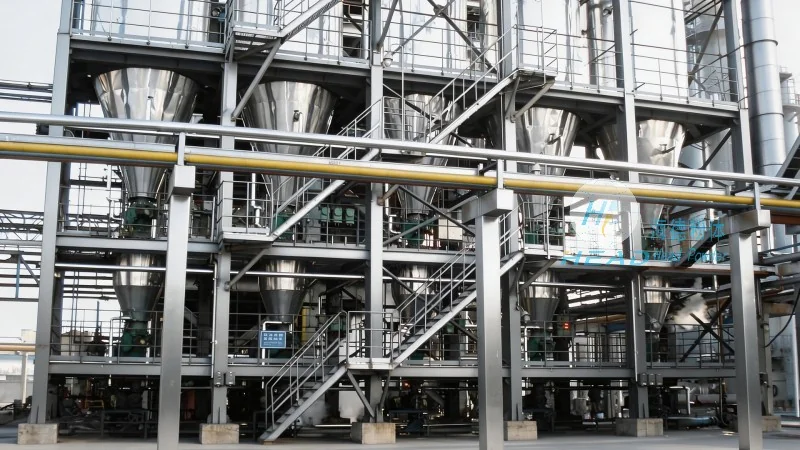
Negative pressure conveying, or vacuum conveying, works by creating a vacuum in the pipeline to draw the sand particles into the system. A vacuum pump pulls air and sand particles from the material source, such as a hopper or storage bin, and transports them to the destination. This method is often preferred for conveying materials over shorter distances or in enclosed environments where dust control is critical. Negative pressure systems are generally quieter and more energy-efficient than positive pressure systems, as they operate at lower pressures. They are also less likely to cause material degradation due to the lower impact forces. However, negative pressure conveying may not be as effective for abrasive materials or for transporting sand over long distances, as the vacuum may not maintain sufficient airflow to move the material efficiently.
Key Features of Negative Pressure Conveying Systems
Negative pressure systems consist of a vacuum pump, a material feed hopper, a pipeline, and a collection or discharge unit. The vacuum pump creates a pressure difference that draws the sand into the pipeline. Key components include rotary valves, filters, and dust collection systems to ensure clean operation. These systems are particularly effective for handling fine or dusty materials, as the vacuum helps to contain and control dust emissions. The lower operating pressures reduce wear on components, leading to longer service life and lower maintenance costs. However, the vacuum may not be sufficient for transporting large volumes of sand over long distances, limiting the application range compared to positive pressure systems.
How to Distinguish Between Positive and Negative Pressure Conveying
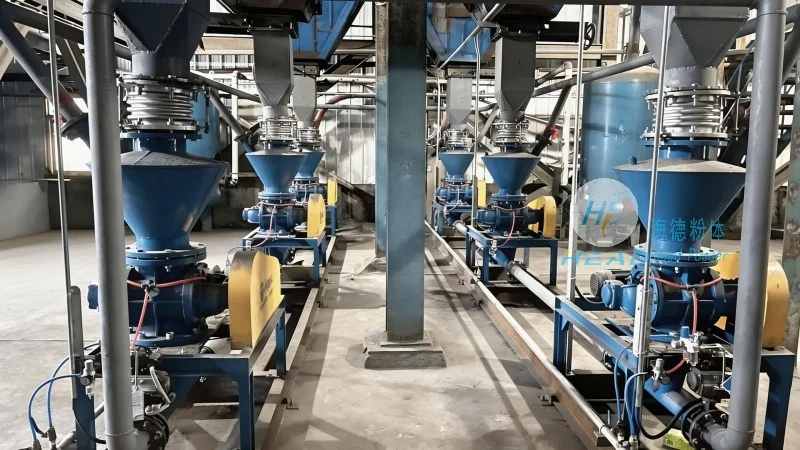
Differentiating between positive and negative pressure conveying systems involves evaluating several key factors. The first consideration is the distance and layout of the conveying system. Positive pressure systems are better suited for longer distances and complex layouts, as they can maintain pressure and material flow over extended pipelines. Negative pressure systems are more appropriate for shorter distances or enclosed spaces where dust control is a priority. Material characteristics also play a significant role. Positive pressure is ideal for abrasive and dry materials like river sand, as the higher pressure helps to move particles effectively. Negative pressure is better for fine or dusty materials that require minimal impact and low noise levels. Environmental considerations are another critical factor. Positive pressure systems may generate more noise and dust, making them less suitable for sensitive environments. Negative pressure systems, with their lower noise and better dust containment, are often preferred in such settings. Finally, operational costs and maintenance requirements should be assessed. Positive pressure systems typically have higher energy consumption and maintenance needs due to the higher pressure and wear on components. Negative pressure systems offer lower energy use and reduced maintenance, making them more cost-effective in the long run.
Conclusion: Choosing the Right Conveying System for River Sand
Choosing between positive pressure and negative pressure conveying for river sand transport requires a careful evaluation of operational needs, material characteristics, and environmental factors. Positive pressure systems offer high efficiency and reliability for long-distance and abrasive material transport, though they come with higher maintenance and energy costs. Negative pressure systems provide quieter operation and better dust control, making them suitable for shorter distances and fine materials, with lower maintenance requirements. By understanding the advantages and limitations of each system, you can select the most appropriate conveying method for your river sand handling requirements. HeadPowder, with its expertise in bulk material handling, can provide tailored solutions that optimize performance and cost-effectiveness for your specific application.