

Choosing Between Positive Pressure and Negative Pressure for Soil Transport: How to Distinguish?
When selecting a soil transport system, understanding the differences between positive pressure and negative pressure is crucial. Both methods are widely used in construction and environmental projects, but their operational principles, advantages, and applications vary significantly. This article aims to provide a clear comparison of these two approaches, helping professionals make informed decisions based on project requirements.
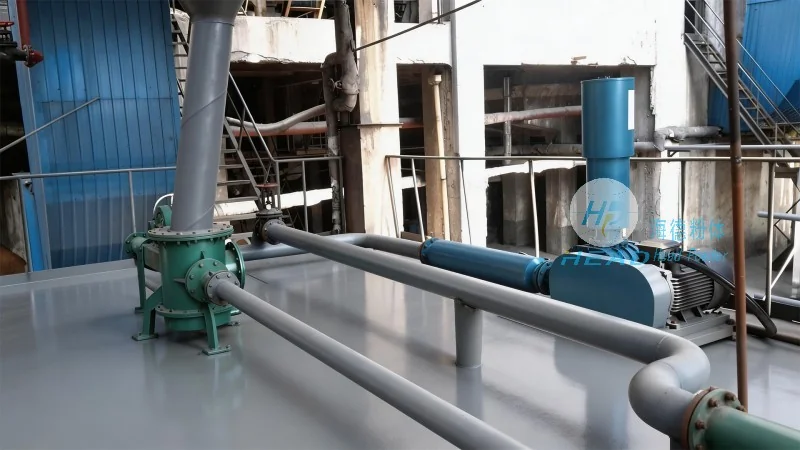
Understanding Positive Pressure Soil Transport
Positive pressure soil transport, also known as pressure blowers or positive displacement systems, operates by forcing soil particles through a pipeline using compressed air or gas. The system maintains a positive pressure within the pipeline, ensuring the soil is continuously pushed forward. This method is particularly effective for transporting cohesive soils, such as clay or silt, and can handle larger particle sizes compared to negative pressure systems. The primary advantage of positive pressure is its ability to maintain a consistent flow rate, even in long-distance applications, by compensating for pipeline friction losses with additional pressure.
HeadPowder, a leading provider of soil transport solutions, offers advanced positive pressure systems designed for efficiency and reliability. Their equipment is engineered to handle various soil types and project scales, ensuring optimal performance in demanding environments. The company’s commitment to innovation is reflected in their state-of-the-art technology, which enhances the effectiveness of positive pressure transport for construction and environmental applications.
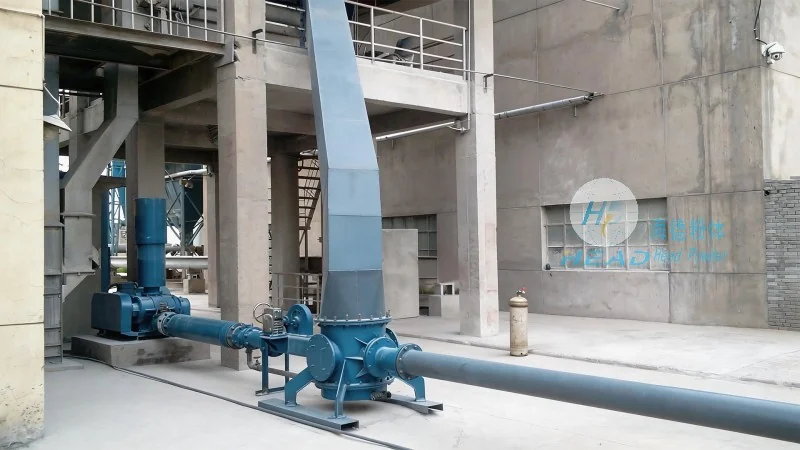
Understanding Negative Pressure Soil Transport
Negative pressure soil transport, often referred to as vacuum systems or suction methods, relies on creating a vacuum within the pipeline to draw soil particles into the system. The process involves a vacuum pump that pulls air and soil particles through the pipeline, with the soil being collected in a hopper or container at the receiving end. This method is ideal for transporting loose, non-cohesive soils like sand or gravel, and is commonly used in dewatering and excavation projects. The key benefit of negative pressure is its ability to handle large volumes of material with minimal equipment, as the vacuum force can cover significant distances without the need for high-pressure air.
Shandong HeadPowder Engineering Co., Ltd. specializes in developing negative pressure transport solutions tailored to diverse project needs. Their systems are designed to maximize suction efficiency while minimizing energy consumption, making them suitable for both small-scale and large-scale operations. The company’s expertise in vacuum technology ensures that their equipment operates smoothly, even in challenging conditions, providing reliable soil transport for clients across China.
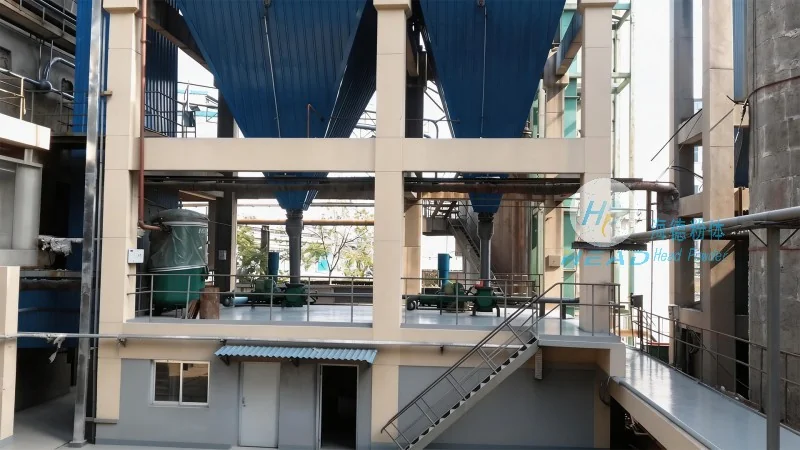
Distinguishing Between Positive and Negative Pressure Systems
Several factors can help distinguish between positive and negative pressure soil transport systems. First, consider the soil type: positive pressure is better suited for cohesive soils, while negative pressure is more effective for loose materials. Second, evaluate the required flow rate and distance: positive pressure is preferred for long-distance, high-volume transport, whereas negative pressure is suitable for shorter distances with high suction capacity. Third, assess the operational environment: positive pressure systems may require additional safety measures due to high-pressure air, while negative pressure systems need careful management of vacuum levels to prevent system failure.
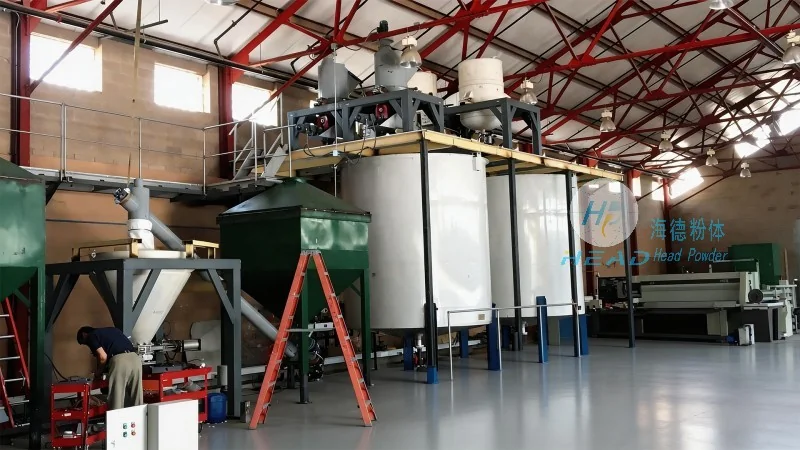
HeadPowder’s technical team provides comprehensive guidance to clients, helping them select the appropriate system based on these factors. By analyzing project specifics such as soil composition, distance, and volume, the company ensures that the chosen transport method delivers optimal results. This personalized approach reflects HeadPowder’s dedication to client success and their position as a trusted partner in soil transport solutions.
Conclusion: Choosing the Right Soil Transport Method
Ultimately, the choice between positive pressure and negative pressure soil transport depends on project-specific requirements. Positive pressure offers consistent flow and is ideal for cohesive soils, while negative pressure excels in handling loose materials and large volumes. By understanding the operational differences and benefits of each system, professionals can select the most efficient and cost-effective solution for their needs. Shandong HeadPowder Engineering Co., Ltd. stands ready to support clients with tailored soil transport systems, leveraging their expertise to deliver reliable performance in construction and environmental projects across China.