

Choosing Between Positive and Negative Pressure for Rice Bran Conveying: How to Distinguish?
Rice bran, a byproduct of rice milling, is widely used in animal feed, biofuel production, and other industrial applications. Efficient and reliable conveying of rice bran is crucial for maintaining the quality of the final product and ensuring smooth operation in processing facilities. When it comes to transporting rice bran, two primary methods are commonly considered: positive pressure conveying and negative pressure conveying. Each method has its own advantages and disadvantages, and selecting the right one depends on various factors such as the distance of transport, the characteristics of the rice bran, and the specific requirements of the processing plant. This article aims to provide a comprehensive guide on how to choose between positive and negative pressure for rice bran conveying, helping industry professionals make informed decisions.
Understanding the Basics of Positive and Negative Pressure Conveying for Rice Bran
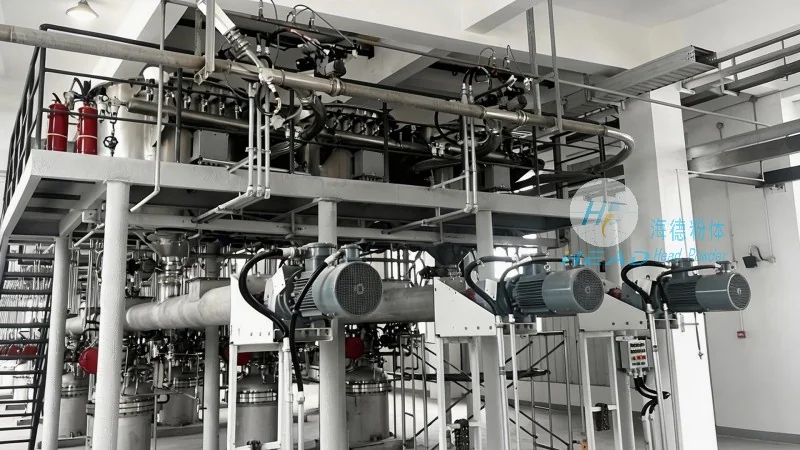
Before diving into the specifics of each system, it's essential to understand the fundamental differences between positive and negative pressure conveying. Positive pressure conveying, also known as pressure conveying, involves using a positive pressure source (such as a blower or a fan) to push the material through a sealed pipeline. The pressure inside the pipeline is higher than the ambient air pressure, which forces the material to move from the source to the destination. This method is often used for long-distance or complex conveying routes where the material needs to be moved over significant distances or through multiple turns and elevations.
Negative pressure conveying, on the other hand, utilizes a vacuum system to draw the material into the pipeline. The pressure inside the pipeline is lower than the ambient air pressure, creating a suction effect that pulls the material from the source (such as a hopper or a collection point) into the system. This method is typically employed for shorter distances or when the material needs to be collected from multiple points and consolidated into a single line.
Key Characteristics of Rice Bran and Their Impact on Conveying
Rice bran has several unique characteristics that influence the choice of conveying system. First, rice bran is a light, powdery material that can easily become airborne, leading to dust accumulation and potential explosion hazards if not handled properly. Second, it is relatively fragile and can be easily damaged during transport, which may affect its quality and usability. Third, rice bran is a combustible material, and any system used for its transport must comply with safety regulations to prevent fire or explosion risks. These characteristics mean that the conveying system must be designed to minimize dust generation, prevent material breakage, and ensure safe operation.
Positive Pressure Conveying Systems
Positive pressure conveying systems are widely used in the rice bran industry due to their ability to handle high volumes of material over long distances. These systems typically consist of a positive displacement blower or a centrifugal fan, a sealed pipeline, and various components such as elbows, tees, and discharge valves. The blower generates a positive pressure that pushes the rice bran through the pipeline, and the material is discharged at the end of the line. One of the main advantages of positive pressure systems is their efficiency in moving large quantities of material quickly. They are also relatively simple to install and maintain, as they do not require complex vacuum equipment.
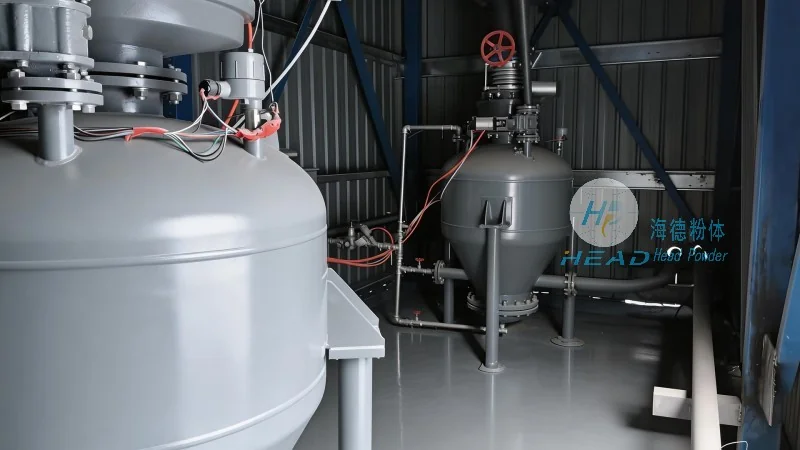
However, positive pressure systems have some drawbacks when it comes to handling rice bran. The high pressure and friction within the pipeline can cause significant wear and tear on the material, leading to increased dust generation and potential damage to the rice bran particles. This can affect the quality of the final product, especially if the rice bran is intended for animal feed or other applications where particle size and integrity are critical. Additionally, positive pressure systems may require more energy to operate compared to negative pressure systems, which can increase operational costs.
Negative Pressure Conveying Systems
Negative pressure conveying systems, also known as vacuum conveying, use a vacuum pump to create a suction effect that draws rice bran into the pipeline. The system typically includes a vacuum pump, a collection hopper, a suction nozzle, and a sealed pipeline. The vacuum pump creates a low pressure inside the pipeline, which pulls the rice bran from the collection point into the system. Once the material is in the pipeline, it is transported to the discharge point where it is released. Negative pressure systems are particularly suitable for handling fragile or delicate materials like rice bran because the suction process is gentler and causes less wear and tear compared to positive pressure systems.
One of the key advantages of negative pressure systems is their ability to minimize material damage and dust generation. The gentle suction action reduces the risk of particle breakage and prevents excessive dust from being released into the environment. This makes negative pressure systems a good choice for applications where the quality of the rice bran is paramount. However, negative pressure systems have some limitations. They are generally less efficient for long-distance transport, as the vacuum pump may not be able to maintain sufficient suction over extended distances. Additionally, negative pressure systems require more complex equipment and higher maintenance compared to positive pressure systems, as they involve vacuum pumps and sealed components that can be prone to leaks and wear.
How to Distinguish Between the Two Systems for Rice Bran
When deciding between positive and negative pressure conveying for rice bran, several factors need to be considered. The most important factor is the distance of the transport. Positive pressure systems are generally preferred for long-distance conveying (typically over 100 meters), as they can maintain sufficient pressure over longer distances. Negative pressure systems are more suitable for shorter distances (typically under 50 meters), as the vacuum pump may not be able to maintain adequate suction over longer runs.
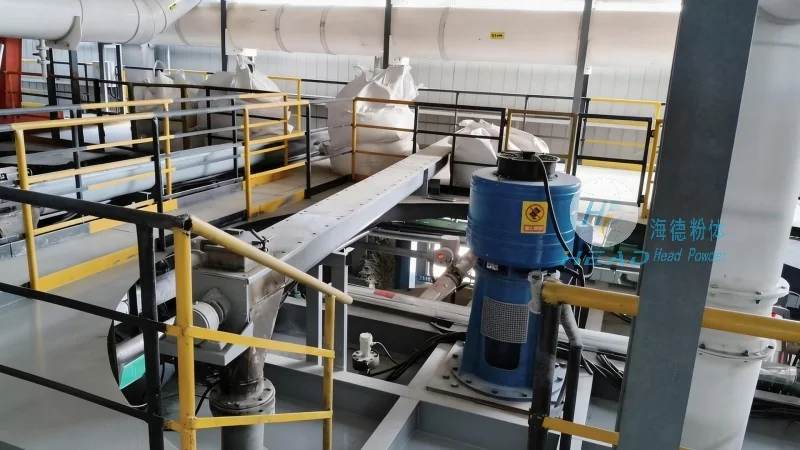
Another critical factor is the material characteristics. If the rice bran is highly fragile or prone to dust generation, a negative pressure system may be the better choice to minimize damage and dust. Conversely, if the rice bran is relatively robust and the primary concern is high volume and long-distance transport, a positive pressure system may be more appropriate.
The processing plant's layout and the number of collection points also play a role in the choice of system. Positive pressure systems are often used when the material needs to be transported from a single source to a single destination, as they are more efficient for single-line transport. Negative pressure systems are better suited for applications where material is collected from multiple points and consolidated into a single line, as the suction nozzle can be placed at each collection point.
Cost and maintenance are also important considerations. Positive pressure systems are generally less expensive to install and maintain, as they use simpler equipment like blowers. Negative pressure systems, however, require more sophisticated equipment like vacuum pumps and may have higher maintenance costs due to the complexity of the system.
Practical Considerations for Choosing the Right Conveying Method
For rice bran processing facilities, choosing the right conveying method is a critical decision that impacts both operational efficiency and product quality. Shandong HeadPowder Engineering Co., Ltd., a leading provider of conveying solutions, emphasizes the importance of considering all relevant factors before making a choice. The company offers customized solutions tailored to the specific needs of each client, ensuring that the chosen system meets the requirements for distance, material handling, and safety.