

Choosing Between Positive Pressure and Negative Pressure for Soda Ash Transport: How to Differentiat
When it comes to transporting soda ash (sodium carbonate) in industrial applications, selecting the appropriate method is crucial for efficiency, safety, and cost-effectiveness. Two common approaches are positive pressure transport and negative pressure transport. Each method has distinct characteristics and is suitable for different scenarios. This article will explore the differences between these two transport systems and provide guidance on how to differentiate them, helping you make an informed decision based on your specific requirements.
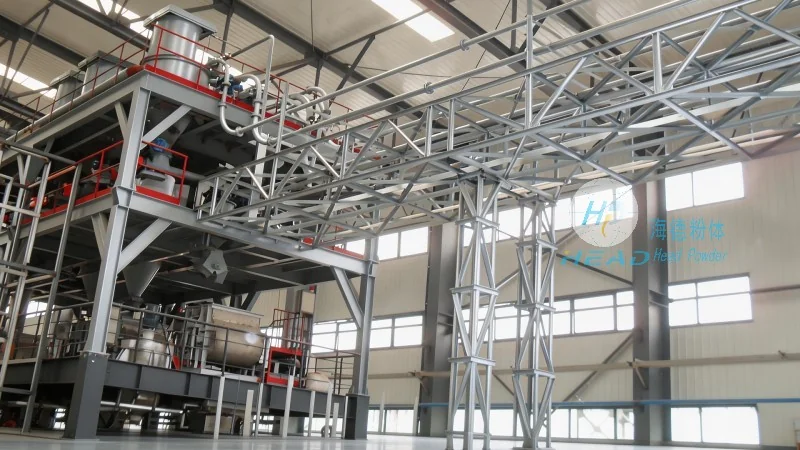
Understanding Positive Pressure Transport for Soda Ash
Positive pressure transport involves moving the material by applying pressure that is higher than the surrounding atmospheric pressure. The system uses this pressure differential to push the soda ash through the pipeline. This method is typically employed for long-distance, high-volume transport, especially when dealing with challenging terrain or significant resistance along the route. The positive pressure system generally includes components such as pumps (e.g., screw pumps, roots pumps), pipelines, valves, and control devices. These elements work together to ensure the stable and continuous flow of the material. For soda ash, positive pressure transport offers advantages like reduced dust generation, improved material integrity, and consistent quality, as the material remains enclosed under pressure throughout the process.
Exploring Negative Pressure Transport for Soda Ash
Negative pressure transport, also known as suction transport, operates by creating a vacuum or negative pressure inside the pipeline. This pressure difference between the external atmosphere and the pipeline draws the soda ash into the system and moves it to the destination. This method is often used for short-distance, low-volume transport, particularly in environments where minimizing dust exposure or environmental impact is a priority. The negative pressure system typically consists of components like fans or vacuum pumps, suction nozzles, and the transport pipeline. By creating a vacuum, the system can efficiently capture and transport the material without direct contact with the external environment. For soda ash, negative pressure transport is beneficial for applications that require strict dust control, such as in food processing or pharmaceutical industries where product purity is paramount.
Differentiating Positive Pressure from Negative Pressure Transport
How can you tell whether a positive pressure or negative pressure system is right for your soda ash transport needs? Here are key factors to consider:
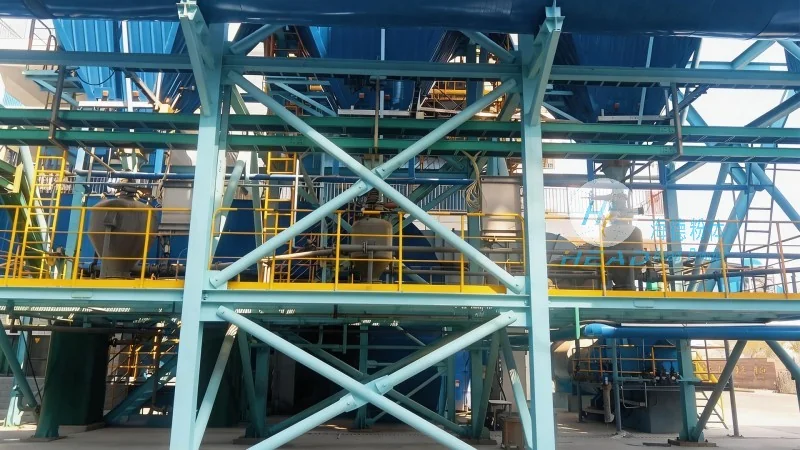
1. Pressure Conditions: In a positive pressure system, the internal pressure is higher than atmospheric pressure, while a negative pressure system maintains a pressure lower than the surrounding air. This fundamental difference in pressure is the primary way to distinguish between the two.
2. Transport Direction: Positive pressure transport moves material from a high-pressure source to a lower-pressure destination, whereas negative pressure transport draws material from a low-pressure source into a higher-pressure system (via suction).
3. Equipment Configuration: Positive pressure systems rely on pumps to generate and maintain pressure, while negative pressure systems use fans or vacuum pumps to create the necessary vacuum. The choice of equipment directly impacts the system's design and operational complexity.
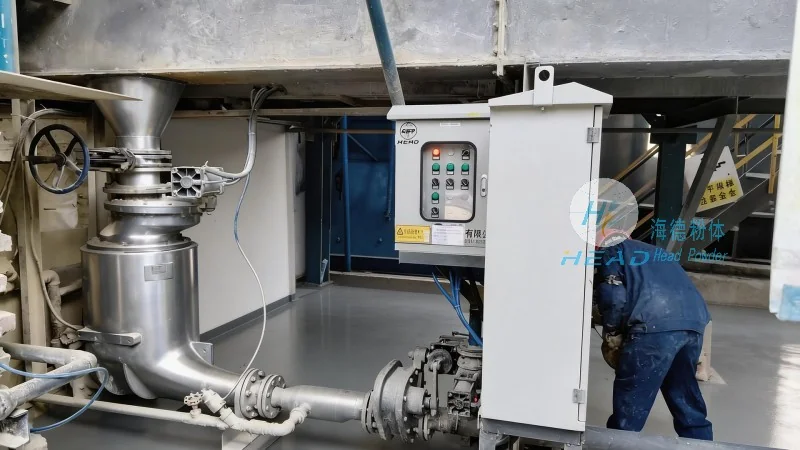
4. Application Scenarios: Positive pressure transport is ideal for long-distance, high-volume applications, such as in bulk chemical plants or across large industrial sites. Negative pressure transport is better suited for short-distance, low-volume tasks or in environments where environmental compliance is critical, like in food processing or where dust control is mandatory.
5. Cost and Maintenance: Positive pressure systems may involve higher initial costs due to the need for robust pressure control equipment and potentially more complex piping. Negative pressure systems are generally simpler and less expensive to install but may require more frequent cleaning and maintenance to prevent clogging or contamination.
HeadPowder: Your Partner in Soda Ash Transport Solutions
Shandong HeadPowder Engineering Co., Ltd., commonly known as HeadPowder, is a leading provider of specialized transport solutions for soda ash and other bulk materials. With years of experience in the industry, HeadPowder offers tailored systems that address the unique challenges of each client's operation. The company is headquartered in Shandong, China, and is committed to delivering efficient, reliable, and cost-effective transport solutions. By leveraging advanced technology and a deep understanding of material handling, HeadPowder helps industries optimize their soda ash transport processes, ensuring safety, efficiency, and compliance with industry standards.