

Choosing Between Positive Pressure and Negative Pressure for PTA Powder Conveying: How to Distinguis
When it comes to handling PTA (Polyethylene Terephthalate Acid) powder, selecting the right conveying method is crucial for efficiency, safety, and operational reliability. As a leading provider in the field, Shandong HeadPowder Engineering Co., Ltd., based in Shandong, China, specializes in engineering solutions tailored to the unique challenges of PTA powder transport. This article aims to guide you through the key differences between positive pressure and negative pressure conveying systems, helping you make an informed decision for your industrial applications.
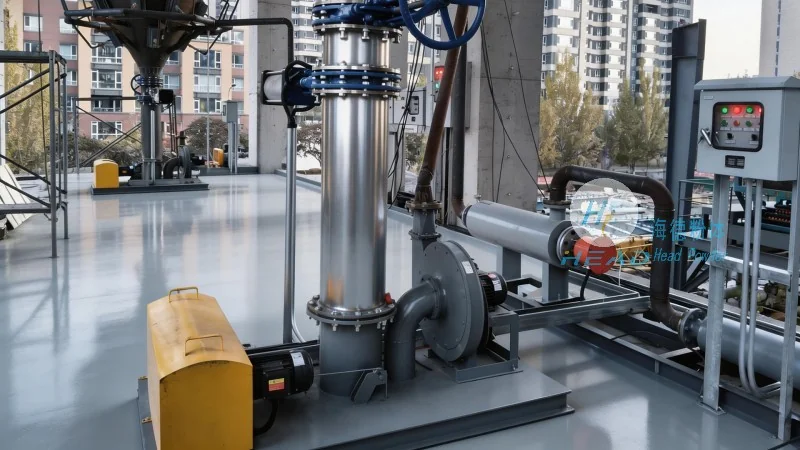
Understanding Positive Pressure Conveying for PTA Powder
Positive pressure conveying, also known as pressure or pressure-assisted systems, operates by blowing air or gas into the material to move it through a pipeline. In the context of PTA powder, this method involves using a positive pressure source, such as a blower or compressor, to generate airflow that propels the powder forward. The system typically includes a hopper, a rotary valve, and a pipeline network, with the air pressure maintaining the flow of the material. One of the primary advantages of positive pressure conveying is its ability to handle a wide range of particle sizes and moisture levels, making it suitable for various PTA powder characteristics. Additionally, positive pressure systems are generally more efficient in terms of energy consumption compared to negative pressure alternatives, as they directly force the material through the pipeline without relying on external suction.
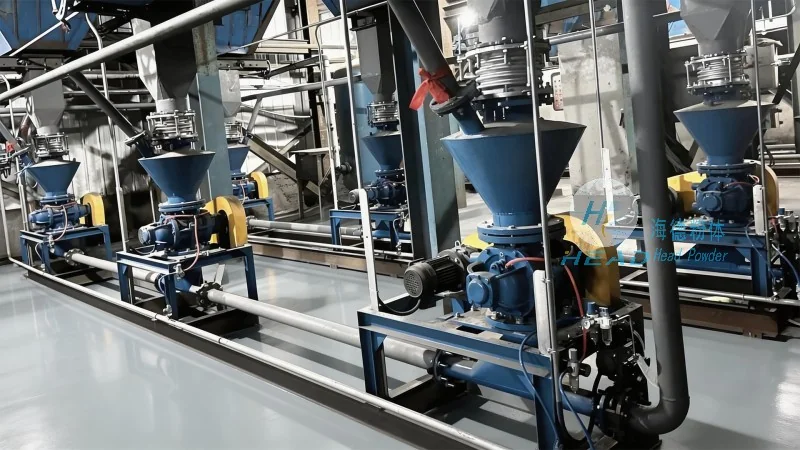
Differentiating Negative Pressure Conveying for PTA Powder
Negative pressure conveying, or vacuum-assisted systems, works by creating a vacuum in the pipeline to draw the PTA powder from the source. This method uses a vacuum pump to reduce pressure inside the pipeline, causing the powder to be pulled along with the air flow. Unlike positive pressure systems, negative pressure conveying does not require a high-pressure source but relies on the vacuum to maintain material movement. The key benefits of negative pressure systems include lower initial investment costs and reduced noise levels, as they operate at lower air velocities. However, negative pressure conveying may be less effective for handling large quantities of PTA powder or materials with high moisture content, as the vacuum can sometimes lead to material degradation or clogging in the pipeline.
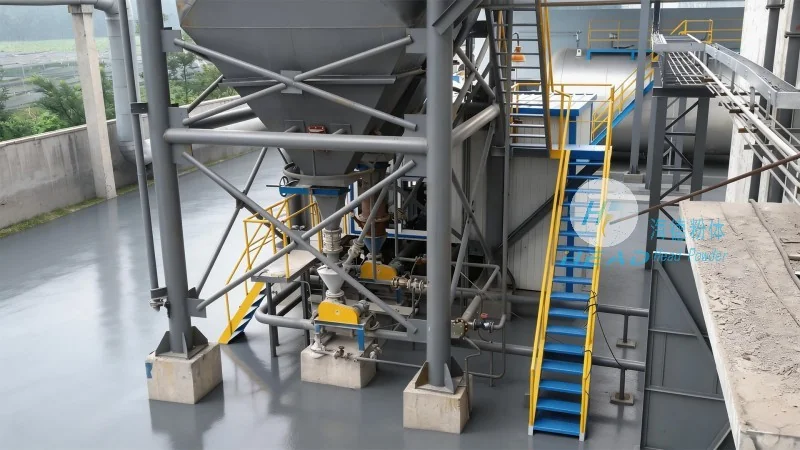
Key Factors to Consider When Choosing Between Conveying Methods
When deciding between positive and negative pressure conveying for PTA powder, several factors should be evaluated. First, the material characteristics of the PTA powder, such as particle size, density, and moisture content, play a significant role. For example, fine or dusty PTA powders may benefit more from positive pressure systems due to their ability to handle high airflow rates without clogging. Conversely, bulkier or less abrasive powders might be better suited for negative pressure systems, which can reduce wear on equipment. Second, the distance and layout of the conveying system are critical. Positive pressure systems are often preferred for longer distances or complex pipeline networks, as they maintain consistent pressure throughout the system. In contrast, negative pressure systems are more suitable for shorter distances or when the source and destination are close together. Third, operational considerations, including energy efficiency and maintenance requirements, should be taken into account. Positive pressure systems typically require more energy to operate but may have lower maintenance costs due to fewer moving parts. Negative pressure systems, while less energy-intensive, may need more frequent cleaning and maintenance to prevent clogging.
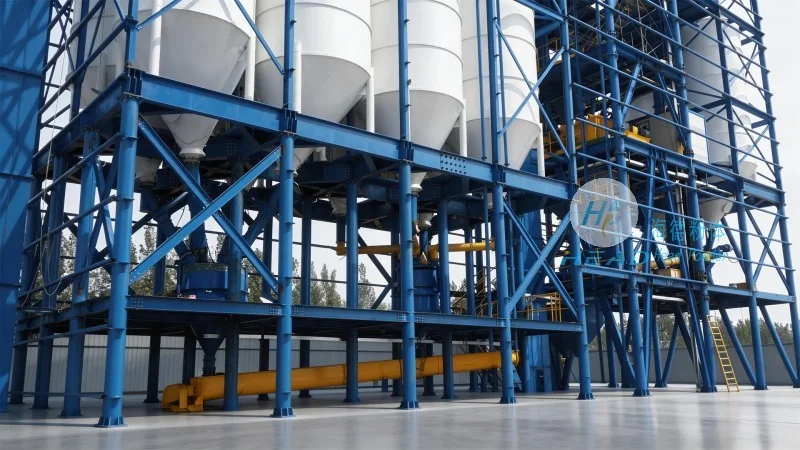
Shandong HeadPowder Engineering Co., Ltd.: Customized Conveying Solutions
Shandong HeadPowder Engineering Co., Ltd. offers comprehensive engineering services and tailored conveying solutions for PTA powder applications. Our team of experts works closely with clients to assess their specific needs, considering factors such as production capacity, material properties, and operational constraints. We provide a range of equipment, including positive pressure blowers, rotary valves, and vacuum pumps, designed to optimize the conveying process. By leveraging our experience in PTA powder handling, we ensure that our solutions are efficient, reliable, and tailored to the unique requirements of each project. Whether you need a positive pressure system for high-volume transport or a negative pressure solution for sensitive materials, our engineering expertise helps you achieve optimal performance and minimize operational risks.