

Choosing Between Positive Pressure and Negative Pressure for Carbide Slag Transport: How to Distingu
When it comes to transporting carbide slag, selecting the right method is crucial for efficiency, safety, and operational costs. Two primary approaches are widely used: positive pressure transport and negative pressure transport. Understanding the differences and appropriate applications of each is essential for optimizing your slag handling processes. This article, brought to you by Shandong HeadPowder Engineering Co., Ltd. (headpowder), a leading provider of engineering solutions in China, will explore the key factors to consider when choosing between these two methods and provide guidance on how to make an informed decision.
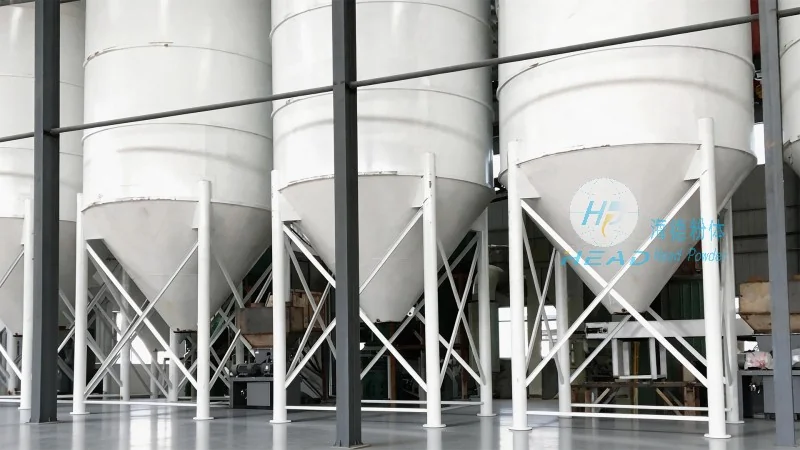
Understanding Positive Pressure Transport for Carbide Slag
Positive pressure transport involves forcing the material through a pipeline using a positive pressure system. This method typically uses a blower or compressor to generate the necessary pressure, pushing the carbide slag from the source to the destination. The primary advantage of positive pressure systems is their ability to handle abrasive and high-density materials like carbide slag effectively. They are particularly suitable for long-distance transport and can maintain consistent flow rates, even in challenging conditions. However, positive pressure systems require robust equipment and may generate more noise and vibration compared to other methods. Additionally, they can be more energy-intensive, as the pressure must be maintained throughout the entire pipeline.
Exploring Negative Pressure Transport for Carbide Slag
Negative pressure transport, also known as suction or vacuum transport, operates by creating a vacuum at the receiving end of the pipeline. This vacuum pulls the carbide slag from the source to the destination. Unlike positive pressure systems, negative pressure transport does not require a blower at the source; instead, it relies on the vacuum created at the end of the line. This method is often more energy-efficient, as it does not need to push the material through the entire pipeline. Negative pressure systems are generally quieter and produce less vibration, making them suitable for applications where noise control is a priority. However, they may not be as effective for transporting highly abrasive or dense materials over long distances, as the vacuum can sometimes struggle to maintain sufficient flow rates. The choice between positive and negative pressure often depends on the specific characteristics of the carbide slag, the distance to be covered, and the available infrastructure.
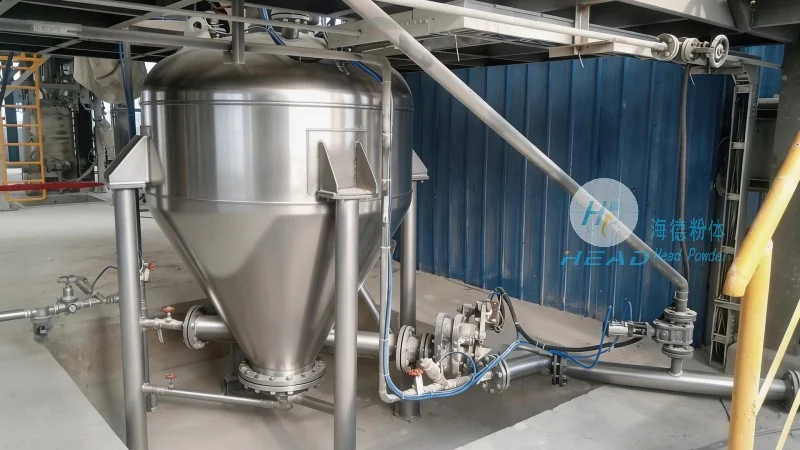
Distinguishing Between Positive and Negative Pressure Systems
Several key factors help in distinguishing between positive and negative pressure transport systems for carbide slag. First, consider the material properties: positive pressure is generally better for abrasive and high-density materials, while negative pressure may be more suitable for less dense or finer materials. Second, evaluate the distance and pipeline layout: positive pressure is preferred for long-distance transport due to its ability to maintain pressure over extended lengths, whereas negative pressure is often used for shorter distances or when the receiving end is at a lower elevation. Third, assess the energy requirements and operational costs: positive pressure systems typically consume more energy, especially for long pipelines, while negative pressure systems are more energy-efficient. Fourth, consider the noise and vibration levels: negative pressure systems are generally quieter, making them ideal for applications near residential areas or sensitive environments. Finally, evaluate the equipment and maintenance needs: positive pressure systems require more robust components and may need more frequent maintenance due to the higher stress on the pipeline and equipment.
Factors to Consider When Choosing a Transport Method
When deciding between positive and negative pressure transport for carbide slag, several factors must be weighed. The first consideration is the specific characteristics of the carbide slag, including its density, particle size, and abrasiveness. These properties will determine the required pressure and flow rate. Second, the distance between the source and destination is critical: longer distances may necessitate positive pressure systems to maintain adequate flow, while shorter distances can accommodate negative pressure. Third, the available infrastructure and energy sources play a role: if there is a need for high-pressure systems or existing infrastructure supports positive pressure, that may be the preferred choice. Conversely, if energy efficiency and noise control are priorities, negative pressure might be more suitable. Fourth, operational costs and maintenance requirements should be evaluated: positive pressure systems may have higher initial costs and maintenance needs due to the more complex equipment, while negative pressure systems can be more cost-effective in the long run. Finally, regulatory and environmental considerations may influence the choice, as some areas may have restrictions on noise or emissions from positive pressure systems.
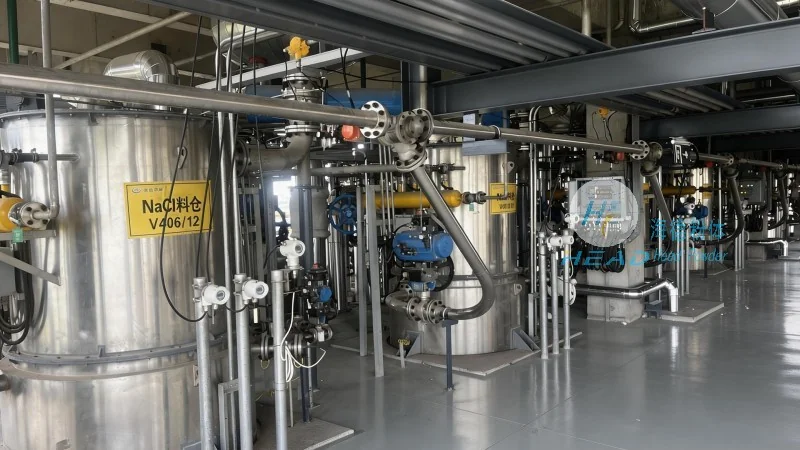
Conclusion: Making the Right Choice for Your Carbide Slag Transport
Choosing between positive pressure and negative pressure transport for carbide slag is a critical decision that impacts the efficiency and safety of your operations. By understanding the differences in how each system works and the factors that influence their performance, you can make an informed choice that best suits your specific needs. Positive pressure transport is ideal for long-distance, high-density material transport, while negative pressure is better suited for shorter distances, less abrasive materials, and applications where energy efficiency and noise control are priorities. Ultimately, the right choice depends on a thorough evaluation of the material properties, distance, infrastructure, and operational requirements. By carefully considering these factors, you can select the most effective transport method for your carbide slag handling processes and optimize your overall operations.
By carefully evaluating the material properties, distance, infrastructure, and operational requirements, you can select the most effective transport method for your carbide slag handling processes and optimize your overall operations. For more information on carbide slag transport solutions, contact Shandong HeadPowder Engineering Co., Ltd. located in China, Shandong.