

Choosing Between Positive Pressure and Negative Pressure for Rubber Powder Conveying: How to Disting
When it comes to transporting rubber powder, selecting the right conveying system is crucial for efficiency, safety, and operational reliability. Two primary methods are widely used: positive pressure conveying and negative pressure conveying. Understanding the differences between these systems is essential for making an informed decision that aligns with your specific production needs. This article will explore the key distinctions between positive and negative pressure systems, helping you determine which approach is best suited for your rubber powder handling requirements.
Positive Pressure Conveying Systems
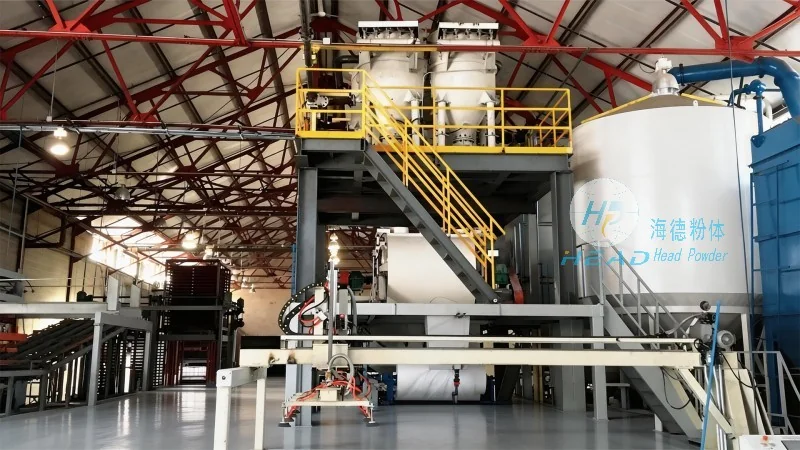
Positive pressure conveying, also known as pressure or forced air systems, operates by blowing air or gas under pressure into the conveying line. This method propels the rubber powder through the system, ensuring consistent flow and preventing material buildup in the line. The primary advantage of positive pressure systems is their ability to handle abrasive or sticky materials, as the high-pressure air effectively moves the powder without clogging. Additionally, these systems are often more straightforward to install and maintain, making them a popular choice for many industrial applications. However, they may require more energy to operate compared to negative pressure systems, and the high air pressure can sometimes lead to increased wear on components.
Negative Pressure Conveying Systems
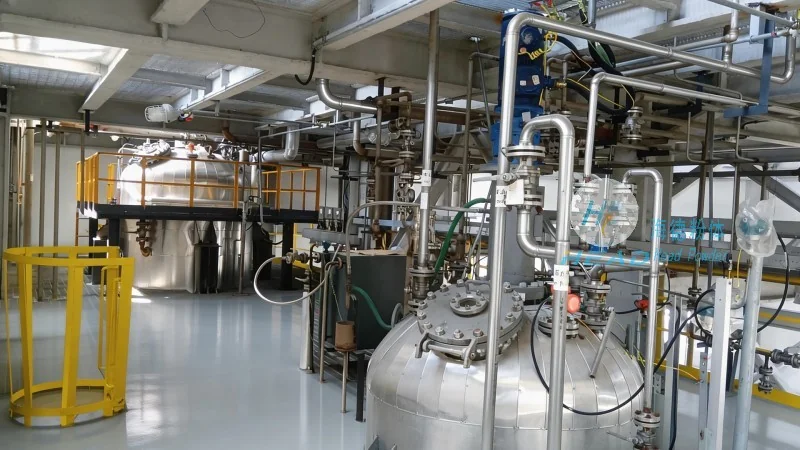
Negative pressure conveying, or vacuum systems, works by creating a vacuum in the conveying line, which draws the rubber powder into the system. This method is particularly effective for handling fine powders and materials that are prone to dust generation. The vacuum helps to capture and transport the powder efficiently, reducing the risk of dust dispersion in the environment. A key benefit of negative pressure systems is their lower energy consumption compared to positive pressure systems, as they rely on the natural suction of the vacuum rather than forced air pressure. However, they may be less suitable for handling highly abrasive or sticky materials, as the vacuum can sometimes cause material to stick to the line walls, leading to clogging issues. Proper maintenance and cleaning are essential to prevent this from occurring.
Distinguishing Between Positive and Negative Pressure Systems
How can you tell which system is right for your rubber powder handling needs? Several factors should be considered when making this decision. First, evaluate the type of rubber powder you are handling. If your material is coarse, abrasive, or sticky, a positive pressure system may be more effective due to its ability to force the powder through the line. Conversely, if you are dealing with fine, dust-prone materials, a negative pressure system might offer better performance. Second, consider the distance and height of the conveying line. Positive pressure systems are generally better suited for longer or higher conveying distances, as they can maintain sufficient pressure to move the material. Negative pressure systems are often more suitable for shorter distances or when the material needs to be drawn from a lower elevation. Third, assess the environmental and safety requirements of your operation. Positive pressure systems may require additional filtration to prevent dust from escaping, while negative pressure systems can help contain dust within the system, reducing the risk of airborne contamination. Finally, evaluate the energy efficiency and maintenance costs associated with each system. Positive pressure systems typically consume more energy but may have lower maintenance costs, while negative pressure systems are more energy-efficient but may require more frequent cleaning and maintenance to prevent clogging.
Conclusion
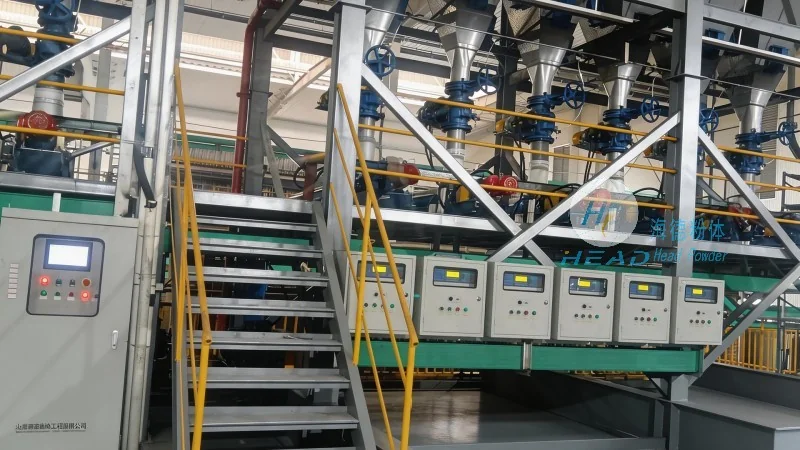
Choosing between positive pressure and negative pressure conveying for rubber powder is a critical decision that impacts the efficiency and reliability of your operations. By understanding the technical differences and considering your specific material characteristics, conveying distance, and operational requirements, you can select the most appropriate system for your needs. Whether you opt for the robust performance of a positive pressure system or the energy-efficient nature of a negative pressure system, the key is to ensure that the chosen method aligns with your production goals and safety standards. For more information on rubber powder conveying solutions, contact Shandong HeadPowder Engineering Co., Ltd., a leading provider of industrial conveying systems based in China.